I stared at the dinner menu for twenty minutes. Pasta felt too heavy, salad too boring, and ordering the fish might make me feel wasteful if I didn’t finish it. This wasn’t just pickiness. It was my brain, yet again, treating a meal like a life decision. If you’ve ever felt your chest tighten over what to wear, or if picking a Netflix show left you exhausted, you already know the anxiety and decision making connection runs deeper than most people realize. For me, that connection once derailed my entire career path and messed with my sleep for months. I’m not a therapist. I’m someone who’s lived through the spiral, and I want to share what finally gave me a foothold.
Quick Ways to Break the Anxiety-Decision Loop Today
If you’re stuck in indecision right now, try these:
- Set a timer based on the decision’s importance. When it ends, choose.
- Define “good enough” before you start weighing options.
- Front-load trivial decisions—pick outfits, meals, and tasks the night before.
- When regret creeps in, say: “I made the best choice I could with what I knew.”
- Do a brain dump before bed—write down every pending decision, then close the notebook.
These quick steps can stop the spiral in its tracks. But understanding why anxiety does this to us was what really helped me break the pattern.
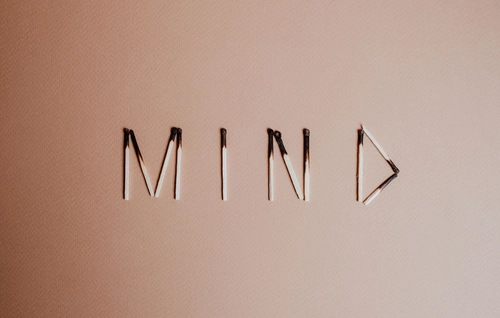
Why Does Anxiety Make Every Decision Feel Like a Crisis?
Anxiety hijacks the brain’s threat detection system. When you face a choice, your mind runs a quick simulation of possible outcomes. For someone with high anxiety, that simulation goes into overdrive. It doesn’t just weigh pros and cons. It imagines worst-case scenarios, magnifies potential regret, and demands certainty that doesn’t exist. I remember leaving a stable but stressful career to start a new job in a different field. I was confident about the switch, right up until the moment I sent the acceptance email. Then the “what ifs” crashed in. What if I hate it? What if my old path was the right one all along? My brain turned a logical, well-researched choice into a minefield of self-doubt. This happens because anxiety convinces you that safety lies in making the perfect call. And since perfect is impossible, you freeze or make a rushed decision just to escape the tension, then immediately second-guess it.
The same pattern played out with tiny things too. Choosing a toothpaste brand could leave me standing in the aisle, comparing ingredient lists while my phone battery died. The anxiety and decision making connection doesn’t care about the size of the problem. It just wants to avoid any misstep. Somewhere along the way, I learned that mistakes were catastrophic. That early training made every fork in the road feel like stepping off a cliff.
How to Break the Anxiety-Indecision Loop When You’re Stuck
The first thing that helped was recognizing that I didn’t need to feel confident. I just needed to act. That sounds trite, so let me ground it. When I couldn’t decide what to eat on a day my anxiety was loud, I gave myself three options from a pre-set list. No scanning a full menu. No new variables. If I chose chicken and rice but later wished I’d picked the salad, I told myself, “That’s data, not a disaster.” The sky didn’t fall. The next time, I might remember the craving and choose differently. This tiny de-escalation built some muscle over weeks.
The bigger lever was learning to stop seeking reassurance. I used to text my mom or partner after every choice: “Did I do the right thing?” They’d soothe me. But the relief never lasted because it was external. I had to build a new mental script. Now, when regret creeps up after a decision, I say this to myself: “I made the best choice I could with the information I had. If it turns out differently, I’ll handle that too.” Does it always work? No. But it interrupts the loop long enough for the panic to subside.
The “Good Enough” Stopwatch: A Ritual to Short-Circuit Overthinking
I started using something I think of as a “good enough” stopwatch. It’s embarrassingly simple, but it’s the only tool that pulled me out of 3 a.m. career regrets. Here’s how you use it: For any decision that isn’t life-threatening, set a timer based on its importance—five minutes for what to eat, an hour for a work project approach, a day for a job offer. When the timer ends, you must choose the option that meets a “good enough” threshold. Good enough means it satisfies your basic needs, not your imaginary perfect standard. For my career change, my good enough was a job with financial stability and regular hours. It didn’t need to be my dream calling. Once I defined that, the spinning thoughts got quieter. The stopwatch forced closure by making decision-making finite. You already know anxiety will try to stretch the clock. You just have to stop arguing.
Micro-Decision Fatigue: Why You Can’t Even Choose Socks
Small choices drain the same mental resource as big ones when anxiety is running the show. I once sat on my bed for fifteen minutes unable to pick between two nearly identical black shirts. The issue wasn’t the shirt. My brain had already spent the day navigating work stress, social interactions, and a lingering career-change hangover. By evening, even a simple clothing choice felt threatening. The anxiety and decision making connection shows up hardest when your mental tank is empty. One fix I use now is to front-load trivial decisions. I pick my outfit the night before. I meal-plan on Sunday. It sounds boring, but reducing the number of calls I have to make gives me more capacity for the ones that actually matter.

When a Career Change Turns Into a Regret Loop
My third career switch happened in my early twenties—a move that came with real financial logic but also a mountain of self-questioning. I had spent money on a previous education. Student loans weighed on every thought. The new path offered consistent pay, benefits, and overtime. It was objectively more secure. Yet my brain kept replaying sunk costs and asking, “What if you’re making another mistake?” The anxiety-decision link doesn’t value logic; it values fear. To quiet that loop, I had to write a letter to my past self. In it, I listed the specific reasons I quit the old job: the Sunday dread, the stress that followed me home, the physical exhaustion. I read it whenever regret showed up. It reminded me that the person who made the choice was not impulsive. She was desperate for a life that didn’t hurt. Trusting that version of me was the real work.
Sleep, Spiral, Repeat: Breaking the Nighttime Rumination Cycle
At the height of my anxiety, I woke nearly every hour. My brain would latch onto a decision from ten years ago and twist it into proof that I was broken. I’d replay conversations, reimagine career paths, and construct elaborate what-if timelines. I was trying to solve problems, but really I was rehearsing self-criticism. One change that helped was a brain dump before bed. I’d scribble down every pending decision, every worry, and then physically close the notebook. It told my brain, “We’re not ignoring this. We’ll deal with it tomorrow.” The sleep didn’t fix itself overnight, but the ritual gave me a boundary. Over time, I started staying asleep for longer stretches. The anxiety and decision making connection feeds on restlessness. Starve it with a simple nighttime boundary.
FAQ: Anxiety and Decision Making
Q: Why does anxiety make it so hard to make decisions?
A: Anxiety hijacks your brain’s threat detection system. It magnifies potential negative outcomes, demands certainty that doesn’t exist, and makes even small choices feel like high-stakes tests. Your brain is trying to protect you, but it’s overcorrecting.
Q: How do I stop overthinking every decision?
A: Try the “good enough” approach. Define what “good enough” looks like before you start weighing options, then set a timer. When the timer ends, choose the option that meets your basic needs—not your imaginary perfect standard. Action breaks the loop faster than more thinking.
Q: Is decision paralysis a sign of anxiety or something else?
A: It can be a symptom of generalized anxiety, but it’s also common in perfectionism, ADHD, and depression. If decision paralysis is interfering with your daily life, it’s worth talking to a professional. But for many people, it’s a manageable anxiety pattern.
Q: How do I stop replaying past decisions with regret?
A: Write a letter to your past self listing the reasons you made the choice. You made the best decision you could with the information you had at the time. If it didn’t work out, that’s data, not a disaster. You can handle whatever comes next.
Q: What can I do when I can’t even make small decisions like what to eat?
A: Front-load trivial decisions. Pick your outfit, meals, and tasks the night before. Reducing the number of daily choices frees up mental energy for the ones that really matter. Also, give yourself a five-minute timer for small decisions—when it beeps, you choose.
One Last Thing
You’re not broken because you can’t pick a restaurant without your pulse racing. You’re not immature for changing careers three times before twenty-five. The part of you that weighs every outcome is trying to keep you safe. It just needs a voice that says, gently, “Good enough is enough.”
References
- Schwartz, B. (2004). The Paradox of Choice: Why More Is Less. HarperCollins.
- Boyes, A. (2015). The Anxiety Toolkit: Strategies for Fine-Tuning Your Mind and Moving Past Your Stuck Points. Perigee Books.
- Harris, R. (2011). The Confidence Gap: A Guide to Overcoming Fear and Self-Doubt. Trumpeter.
