I was scrolling through my phone last November, watching election results trickle in. I felt hollow. Not angry or surprised. Just hollow. Like I had been squeezing a sponge for years and nothing came out anymore. I put the phone face-down on the table and stared at the ceiling. My friend texted: “Are you okay?” I typed back: “I’m tired of caring about things that don’t care back.”
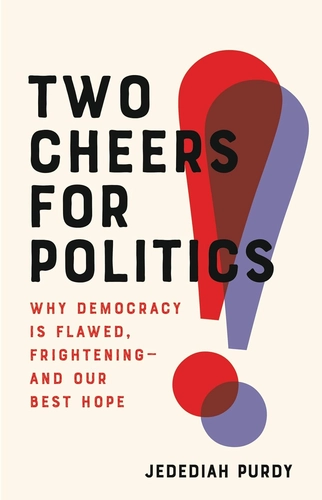
That’s when I picked up Jedediah Purdy’s “Two Cheers for Politics.” I didn’t want to read another book telling me to vote or volunteer or care more. I wanted someone to sit with me in that hollow feeling. Purdy does that, but he doesn’t stay there. He asks a harder question: What if this exhaustion is exactly where we need to start?
The protagonist: Democracy as a person who keeps showing up
Purdy doesn’t write about heroes. He writes about democracy like it’s a friend who is messy, late, and occasionally wrong. The book isn’t a manual. It’s more like a long conversation with someone who has spent years thinking about why we keep doing this to ourselves.
He walks through American history. The founding. The Civil War. The New Deal. The Civil Rights movement. Each chapter shows how democracy was never clean. The founders were slaveholders who wrote beautiful words about liberty. The New Deal excluded Black farmers. The Civil Rights movement required compromise that felt like betrayal. Purdy doesn’t sugarcoat any of it.
I found myself nodding in uncomfortable places. He talks about how we want politics to be pure. We want the right candidate, the right policy, the right side. But politics isn’t purity. It’s people with dirty hands making decisions that affect other people’s lives. That’s the core conflict: our longing for clean answers versus the reality of messy collaboration.
The suspense for me wasn’t about what happens next in history. It was whether Purdy could convince me that this mess is worth staying in. I won’t spoil the ending, but I will say I put the phone back face-up.
Theme and imagery: The broken window and the shared room
Purdy’s central image is simple: politics is the room where we argue about how to live together. Not a temple. Not a battlefield. A shared room with a leaky roof and one window that doesn’t open.
This image matters because it changes what we expect. You don’t walk into a leaky room expecting perfection. You bring a bucket. You fix what you can. You learn to sit with the draft.
The core theme is what Purdy calls “democratic citizenship.” It’s not about winning. It’s about showing up and arguing honestly. He borrows from Hannah Arendt and Ralph Ellison, but he makes their ideas feel immediate. Arendt said politics is the space where people appear to each other. Ellison said democracy requires us to see people we’d rather ignore. Purdy stitches these together: you can’t have democracy without discomfort. The discomfort is the point.
I think about the times I’ve avoided political conversations with family. The times I’ve muted group chats. The times I’ve said “I don’t want to talk about it.” Purdy doesn’t shame that impulse. He names it. He says the desire to retreat is natural, but it’s also a kind of death. Not political death. Human death. The death of being in a shared world.
Elevation and call to action: What we keep when we stay
I finished the book on a Tuesday morning. I didn’t suddenly feel hopeful. I felt something quieter. I felt permission to be imperfect in my citizenship. Permission to vote for the candidate who only gets half of what I want. Permission to argue with my uncle without expecting to change his mind. Permission to stay in the room even when the roof leaks.
Purdy’s title is honest. Two cheers, not three. He doesn’t promise salvation. He promises something more valuable: a reason to stay engaged without needing to feel good about it.
The book has weaknesses. It’s written for an American audience, and some historical sections move slowly. Purdy’s tone can feel academic when he leans too hard on theory. But these are small complaints for a book that does what it sets out to do: give you a way to care again without lying about how hard it is.
I think about that friend who texted me. I told her later that I read this book. She said, “So what’s the answer?” I didn’t have a neat one. But I had a feeling. Maybe that’s what politics really is. Not the absence of exhaustion, but the choice to stay in the room anyway.
