The last time I sat across from someone at a coffee shop, I noticed their leg bouncing under the table. A steady thump, thump, thump. I thought, is this a bad sign? Are they bored? Anxious about work? Or maybe just into me and trying to play it cool. I did not ask. I just sat there, overthinking it. Sound familiar?
Here is the truth. You are not alone. Trying to decode nervous energy is a universal experience, like checking your phone right after you send a risky text. People give off dozens of tiny signals when they are anxious. Learning to notice them feels like unlocking a secret level in social awareness. The challenge is that nervous habits often look exactly like disinterest, shyness, or just a bad day. So how do you actually tell if someone is nervous?
Why Do People Get Nervous and How Can I Tell If Someone Is Nervous?
Nervous habits are little behaviors we do without realizing it. They are a release valve. When someone feels uncertain or excited, the body kicks into a mild fight-or-flight mode. Heart rate ticks up. Muscles tense. The brain scrambles to find an outlet, so it pushes out fidgeting, hair touching, or a sudden urge to straighten a collar that is already perfectly straight.
In a romantic setting, this is even more common. Feeling drawn to someone and not knowing if they feel the same way is genuinely anxiety-inducing. That uncertainty creates a pressure cooker. The person is trying to make a good impression, monitor their own words, and read your face all at once. Something has to give. Usually, it is their composure. But the same physical signs appear before job interviews, during difficult conversations, or in a crowd of strangers. So the first step is not to assume attraction. It is to simply recognize the raw signal: this person is uncomfortable. The rest is context.
5 Practical Ways to Tell If Someone Is Nervous Without Asking
Here is where it gets practical. Forget mind reading. Instead, become a pattern spotter. After years of awkward dates and even more awkward work meetings, I have learned to look for a cluster of these five things. One nervous habit alone means nothing. Three or more, and you are onto something.

1. Watch their hands. Fidgeting is the classic giveaway. Someone who is nervous might tap a pen, twist a ring, smooth their sleeve repeatedly, or shred a napkin into confetti. Their fingers are busier than the situation calls for. I once had a date fold and unfold the same receipt for twenty minutes. He was not a neat freak. He was just very, very nervous.
2. Listen for speech glitches. When anxiety spikes, the words come out wonky. You will notice stammering, long pauses, or a sudden burst of chatter that feels like a runaway train. Some people overcorrect by talking too much, filling every silence. Others clam up entirely. The key is a change from their normal pattern. If your usually chatty friend goes quiet around a certain person, take note.
3. Notice the blush or sudden sweat. These are hard to fake. A flush creeping up the neck or a glossy sheen on the forehead despite a cool room. It is the body’s thermostat going haywire from emotion. I still remember a colleague who turned beet red every time the new manager walked in. She was not sick. She was just human.
4. Spot self-grooming. This one is subtle. A nervous person might touch their hair, adjust their glasses three times in a minute, or pick at a loose thread on their shirt. They are subconsciously checking their appearance. It is as if their brain is saying, “You need to look okay for this moment, fix everything, now.” It is less about vanity and more about a need for control.
5. Track their eyes. Eye contact patterns are revealing. Some nervous people avoid your gaze completely, looking at their shoes or the clock. Others swing the opposite way and stare intensely, like they are trying to beam confidence directly into your brain. Both are a sign of effort. Natural, relaxed eye contact ebbs and flows. Strained eye contact feels like a locked door.
These habits are not proof of a crush. They are just proof of a raised heart rate. But when you see them in a cluster, you have the answer to “how to tell if someone is nervous.” You just need a framework for what comes next.
The 3-Question Decoder: How to Tell If Someone Is Nervous in Real Time
Overthinking is the enemy. I use a simple mental checklist that I call the 3-Question Decoder. It stops me from spiraling and gives me a clearer read in the moment.
Question 1: Is this different from their baseline? You need a reference point. If the person is naturally fidgety around everyone, then their tapping fingers tell you nothing. But if they are usually calm and collected, and suddenly they cannot stop adjusting their watch, that is a flag. Look for a deviation from their normal self.
Question 2: Is the setting already anxiety-producing? A loud, crowded bar makes everyone a little on edge. A formal dinner with the boss does the same. So if you notice nervous habits there, they might be about the environment, not you. But if you are in a quiet, cozy coffee shop with no pressure, the nerves are more likely personal.
Question 3: Are the habits directed outward or inward? This helps separate general anxiety from romantic interest. People with general stress often turn inward: nail biting, crossing their arms, shrinking into themselves. When the habits are directed toward you, like smoothing their hair each time you look at them or leaning closer while talking fast, the energy is focused outward. It is an effort to connect despite the jitters. That is a different kind of nervous.
Running these three questions takes about ten seconds. It does not give you a definitive answer, but it moves you from pure guesswork to a much smarter observation.
The Difference Between General Anxiety and Romantic Nervousness
General anxiety and romantic nervousness look similar on the outside, but the motivation shifts. If someone is anxious because of life stress, you will see their habits persist across different situations, not just with you. They might bite their lip while checking emails and then do the same while talking to you. It is consistent.
Romantic nervousness tends to spike in your presence and then fade when you walk away. It is situational. I once noticed a guy who was completely at ease chatting with the barista but then went stiff and started stammering the moment I returned. That contrast is what you are looking for. It is the “you” effect. So instead of analyzing a single moment, look for the before-and-after snapshots.
When Nervous Habits Are Not About You (and That Is Okay)
It is tempting to make every smile, every fidget, about us. But people bring their own inner chaos into every room. They might be nervous about a work deadline, a sick parent, or just the fact that they skipped lunch and now they are shaky. One of my closest friends used to sweat through his shirts on dates, not because he was smitten but because he had a medical condition called hyperhidrosis. You just never know.
If you jump to the conclusion that every nervous gesture signals attraction, you will end up misreading kindness or flat-out projecting. The antidote is simple curiosity. Instead of thinking, “They like me,” try thinking, “They seem a little anxious right now. I wonder why.” That shift makes you a better observer and a more compassionate person.
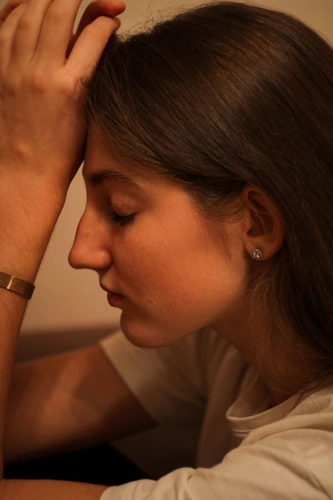
FAQ: Common Questions to Help You Tell If Someone Is Nervous
What are the most common signs to tell if someone is nervous?
Look for a mix of fidgeting, speech stumbles, blushing, self-grooming, and strained eye contact. One sign alone is not reliable, but a few together are a strong hint that their nerves are at play.
How to tell if someone is nervous around me specifically versus just having a bad day?
Watch for changes when you enter or leave the room. If the nervous habits only appear in your presence or escalate when you talk to them directly, it is likely about you. If the jitters continue in all their interactions, it is probably a rough day.
Can you learn how to tell if someone is nervous through body language alone?
Yes, but context matters. Body language cues like lip biting or crossed arms can mean many things. The skill is in noticing clusters of behaviors and comparing them to the person’s baseline. With practice, you get faster and more accurate.
Is there a foolproof way to tell if someone is nervous without asking them directly?
No. Even experts get it wrong sometimes. The best you can do is notice patterns, consider the setting, and, when the moment feels right, ask a gentle question like, “You seem a little on edge, everything okay?” Sometimes the most accurate read comes from just listening.
One Last Thing: Next time you notice someone’s shaky hands or hear a nervous laugh, pause. Anxiety is a shared human thread. That jittery energy is not a puzzle to be solved. It is just another heart doing its best to be brave in front of you.
