I stepped out of the shower at 6:42 a.m., bare feet hitting a warm, wet spot on the bathroom tile. The smell hit me before my brain caught up. My three‑year‑old, fully potty‑trained since last spring, had peed on the floor. Not near the toilet. Not an accident. A deliberate, gotcha puddle right where I’d step. I stood there, towel dripping, feeling the hot frustration rise. Then I heard a tiny giggle from the hallway. This was not a plumbing problem. This was a message. And I had to decode it without losing my mind or my morning.
If you’re googling “peeing on floor” after your own child’s sudden regressions, I get it. You’re confused, maybe embarrassed, maybe wondering what you did wrong. Here’s the truth: you are not alone. This is far more common than any parenting book admits. And it almost never means you’ve raised a tiny sociopath. It means something is going on inside your child that words can’t yet reach. Your job is to become a calm detective, not a furious one.
Why Is My Potty‑Trained Child Peeing on Floor All of a Sudden?
My mind raced that morning. Could she have a urinary tract infection? Was she constipated? Sometimes, behind what looks like intentional floor‑wetting, there’s a physical reason a child can’t hold it or empty fully. Daytime wetting can come from urinary urgency, mild constipation pressing on the bladder, or even a brewing UTI. Before you assume it’s behavioral, rule out the body stuff. A quick pediatrician visit gave us peace of mind. In our case, everything checked out fine physically. So what was it then?
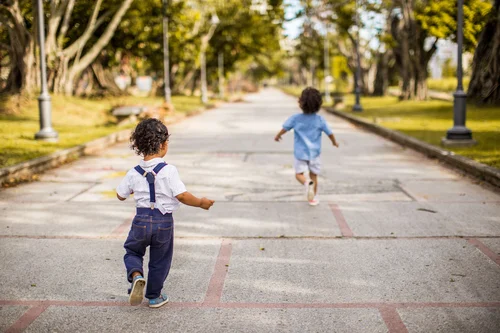
That’s when I noticed the new line of Paw Patrol stickers my daughter had plastered on the nursery door. The baby had arrived eight weeks ago. The bassinet was in our room. Big sister had been a trooper during the day, but at night… the floor puddles had started. Was she peeing on the floor because she felt replaced? Because she wanted 100% of my attention even if it was angry attention? That’s the most common psychological drive, and it’s not “revenge” in the adult sense. It’s a child’s way of saying, “Notice me. I used to have all of you, and now I don’t.” Your child isn’t being bad. She’s being a person with big feelings and zero PowerPoint skills.
What else could cause a child to suddenly urinate on the floor? Stress about a new school, a parent traveling for work, a change in the daily routine. Even a new pet. Kids thrive on stability, and when the world tilts just a little, their bodies sometimes speak what their mouths can’t. Sometimes it’s not even stress. A child might be so deeply engaged in building a block tower that the brain ignores the bladder signal until it’s too late, and then they freeze and finish right there on the play mat. That’s not deliberate peeing on floor, but it looks like it.

The Parent You Aspire to Be
Miles CarterPractical guidance for tantrums, backtalk, lying, screen addiction, emotional outbursts, and everyday parenting struggles.
How to Stop a Child from Peeing on Floor: 5 Steps That Don’t Involve Punishment
When I finally calmed down that morning, I remembered something crucial. The reaction is the reward. If my daughter was seeking a big emotional explosion from me, I had to refuse to supply it. That doesn’t mean ignoring the behavior. It means managing my own face, voice, and hands so that the message was, “I see this. I’m not rattled. Let’s clean up together.” Here’s what worked in our house, step by step.
First, resist the urge to lecture. Words fly over a dysregulated child’s head. A simple, calm phrase goes miles farther: “Pee goes in the potty. Let’s get the towels.” No shaming. No “Why did you do that?” because they probably can’t articulate it yet. You’re keeping the emotional temperature low on purpose.
Second, clean up together, not for them. I’d hand my daughter a dry cloth and say, “You wipe, then I’ll wipe.” This makes the aftermath a shared, boring task. It removes the power struggle. The floor becomes clean, and the incident loses its drama.
Third, increase one‑on‑one connection time away from the peeing behavior. Not right after the incident, but at other times during the day. Ten minutes of undivided you‑and‑me play, no phone, no siblings. If the root cause is attention‑seeking, fill that bucket proactively, and the puddles often stop.
Fourth, notice and celebrate potty successes with genuine warmth. “You made it to the bathroom! That felt so grown‑up.” Don’t overdo it, but a quiet high‑five reinforces what you want to see more of.
Fifth, keep a simple log for a week. Note when the peeing on floor happens: mornings, after daycare, during a specific TV show? Patterns can reveal triggers you’d miss otherwise. I discovered our puddles clustered right after I nursed the baby. Bingo. I started including my older child more during those times, letting her help fetch a burp cloth, and the floor‑wetting faded.
The “Clean‑Then‑Connect” Ritual You Can Use Tonight
I named this the “Clean‑Then‑Connect” ritual because naming things makes them stick. Here’s how it works. You’re not just managing a mess. You’re rebuilding a bridge. The moment you discover the wet spot, take a visible breath. It signals to both of you that this isn’t a crisis. Then say, “We clean first, then we cuddle.” Clean together, neutrally. After the towels are in the wash, you do something that reconnects. Read two pages of their favorite book. Build a tiny blanket fort for five minutes. The sequence matters. Clean first, connect second. It teaches that mistakes get handled, and then the relationship resumes, warm and safe. Over time, this ritual becomes the reason the behavior loses its appeal.
When a New Sibling Arrived: Our Peeing on Floor Story
I remember one Tuesday after the baby’s feeding. I was on the couch, exhausted. My older daughter stood three feet away, looked me dead in the eye, and let go of a small stream onto the rug. My old self would have yelled. Instead, I used the clean‑then‑connect ritual. I said, “I see that. Towels are under the sink.” We cleaned. Then I pulled her onto my lap and said, “I missed cuddling you this morning. Want to look at this book?” She melted into me. No more accidents that week. Was she peeing on floor to tell me she felt invisible? Absolutely. And the connection, not the correction, solved it.
Is It Really On Purpose? Physical Reasons for Floor Wetting
Before you spend weeks troubleshooting emotions, rule out physical causes. A child who suddenly starts peeing on floor may have a urinary tract infection they can’t describe. The urge is sharp and they can’t make it. Constipation is another culprit, pressing on the bladder so the child feels a constant sense of needing to go right now. Some children develop a habit of holding urine too long, leading to urgency and leakage. A quick pediatric check is worth your time. If you get the all‑clear, then you can confidently focus on the behavioral piece.

FAQ: Your Questions About Peeing on Floor Answered
Why is my child suddenly peeing on floor after being fully potty trained?
A sudden change often traces back to a stressor: a new sibling, starting preschool, a move, a shift in your work schedule. Physical causes like a UTI or constipation can also cause accidents that look intentional. Rule out health issues first, then look at what’s new in your child’s world.
Could peeing on floor be a sign of a medical problem?
Yes. Urinary tract infections, constipation, and urinary urgency can all make a child lose control. If the behavior is accompanied by pain while urinating, cloudy urine, fever, or hard stools, see your pediatrician. Even without those signs, a checkup can rule out hidden physical reasons for peeing on floor.
How do I handle my child peeing on floor without shaming them?
Stay calm and use matter‑of‑fact language: “Pee goes in the potty. Let’s clean it up.” Clean together without anger. Later, increase positive one‑on‑one time. Children thrive on connection. Shame backfires and makes the behavior worse.
What to do when my child pees on the floor at night or during sleep?
Nighttime wetting is different from daytime intentional peeing on floor. Many children’s bladders take longer to mature for nighttime dryness, sometimes until age six or seven. Use waterproof mattress covers, limit fluids before bed, and never punish bedwetting. If nighttime floor‑wetting suddenly appears in a previously dry child, check for urinary tract infection or stress, and consult your pediatrician.
I stepped in that puddle again once more, a month later, but this time I didn’t freeze. I grabbed a towel, held my daughter’s hand, and we cleaned it up in silence. Then she curled into my side and whispered, “I love you, Mama, even when the floor is wet.” I squeezed her back. The puddles mostly stopped after that. But more than dry floors, I got back a connected kid.