I was three chapters into Whistler before I realized I’d stopped checking my phone. That’s the thing about Ann Patchett’s novels—they don’t grab you by the throat. They just quietly pull up a chair next to yours and start talking, and before you know it, the afternoon is gone.
Daphne Fuller is fifty-three when she spots Eddie Triplett at the Metropolitan Museum of Art. Eddie was her stepfather for about two years when she was nine. Two years. That’s nothing, right? Except those two years included a horse named Whistler and a single night that changed everything. Now they’re both older. Eddie is frail, white-haired. Daphne is married to a man named Jonathan who stands by watching this reunion unfold. The question Patchett builds the whole novel around is this: what do we owe the people who loved us completely, even if only for a short time?
How does a childhood love stay alive for forty-four years?
I’ll be honest. When I first read the premise—a woman reconnects with her former stepfather—I thought it sounded slight. Maybe even sentimental. Patchett has written about complicated families before, in The Dutch House and Commonwealth, and those books felt weighty, almost epic. Whistler is smaller. It takes place in a handful of days. But small isn’t the same as minor. What Patchett does here is zoom in on a single relationship and let it breathe.
A Love That Never Left
Daphne is a fascinating protagonist, partly because she doesn’t seem to be hiding anything. She is open about her love for Eddie. She is open about the pain of losing him when her mother divorced him. But there’s something underneath her openness. A secret she’s been carrying since she was nine. The horse, Whistler, is the key to it. I won’t spoil the reveal, but I’ll say this: Patchett earns every single emotion in the last fifty pages. The book doesn’t manipulate you. It just keeps laying down truth after truth until you’re buried in them.
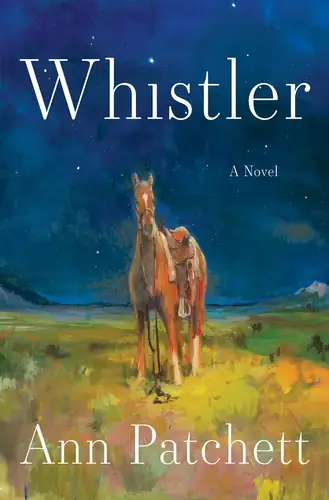
The core image of the novel is, of course, the horse. Whistler is not just a horse. He is a container for memory, for fear, for the love between a child and an adult who chose each other. Patchett describes him with a kind of reverence. “He was the most beautiful thing I had ever seen,” Daphne says. But the horse also represents something darker. The night Daphne and Eddie shared with Whistler was both magical and terrifying. It’s the moment when Daphne learned that love doesn’t protect you from danger. It just means you face it together.
This is where Patchett’s craft really shines. She doesn’t explain the symbolism. She doesn’t underline it. The horse just exists in the story, and the reader feels its weight. I kept thinking about how we store our most important memories in physical objects or animals. A horse. A house. A song. These things hold more than we can say.
The Quiet Tension
The book has its limitations. It is quiet almost to a fault. Some readers will find the pace too slow, especially in the middle section where Daphne and Eddie spend a lot of time just talking in a diner. There’s very little conflict in the conventional sense. No villain. No dramatic confrontation. The tension comes entirely from what’s not being said, from the memories that hover just beneath the surface. If you need your novels to have car chases or courtroom scenes, this isn’t for you.
But if you’re the kind of reader who loves a book that feels like a long conversation with someone wise, someone who has seen things and is ready to tell you about them honestly, then Whistler will wreck you in the best way. Patchett writes with a clarity that feels effortless, though I know it’s not. Every sentence is deliberate. Every detail matters.
I finished the book at 11 PM on a Tuesday. I sat in my reading chair for another twenty minutes, not wanting to return to my actual life. The book won’t solve your problems. It won’t give you answers about your own complicated family. But it will make you feel slightly less alone in the moments when you’re thinking about the people you’ve lost, the ones who only passed through your life but left a mark you can’t erase.
Lessons from a Quiet Life
What I took from Whistler is this: love doesn’t have to be lifelong to be real. A two-year relationship can shape you as much as a forty-year one. And sometimes the most important people in our lives are the ones who showed up for a brief season, saw us clearly, and then left.
I recommend this book to anyone who has ever wondered about a person from their past. Anyone who has a “what if” relationship they still carry. Anyone who loved The Dutch House or Tom Lake. And especially anyone who needs a reminder that the small stories are the ones that matter most. Whistler is a gift. Don’t rush through it.
