I went to a quiet wedding last weekend. Small ceremony, backyard affair. The bride’s mother stood in the corner, dabbing her eyes with a napkin, and I caught myself wondering: how many hard years had it taken for her to get to this soft moment?
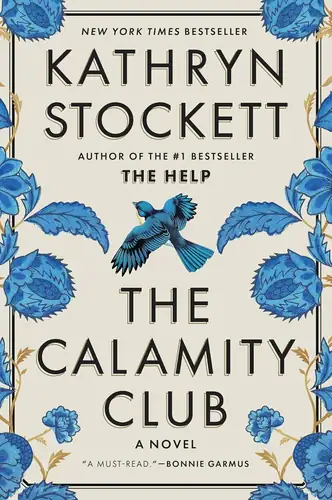
That’s what I kept thinking while reading Kathryn Stockett’s The Calamity Club, her first novel in seventeen years. The book asks a question that lodged itself in my chest and wouldn’t leave: when survival demands everything from you, what’s left to call your own?
The Women at the Center
You meet Birdie Calhoun first. She’s twenty-four and unmarried in 1933 Mississippi, which means she’s already failed at being a woman by everyone’s standards. She’s come to Oxford to beg her prettier, younger sister Frances for money to save their family farm. Frances is married to a doctor and lives in a big house with nice things, and Birdie hates needing her.
Then there’s Meg Lefleur. She’s eleven years old and has been at the Lafayette County Orphan Asylum for three years, ever since her mother Charlie left her there. Meg is one of the “big girls,” which means she’s too old to be cute and adoptable. She’s wiry, sharp-tongued, and she’s learned that the only way to survive is to stay small, stay quiet, and never let anyone see you want anything.
Their lives collide. That’s all I’ll say about the plot, because the real pleasure of this book isn’t what happens. It’s watching these two figure out how to want things again.
I fell hard for Birdie. She’s not brave in the way you’d expect. She stammers sometimes. She second-guesses. She gets scared and does the thing anyway, which is its own kind of courage. And Meg—god, Meg. She’s been starved of affection so long that when kindness comes, she doesn’t know what to do with it. She hoards it like bread crusts.
What the Light Reveals
The book is about what happens when women have no options. Prostitution, conversion therapy, abandonment, poverty—Stockett doesn’t flinch from any of it. But she doesn’t make it lurid, either. She writes about these things the way you’d describe a bruise you got falling down stairs: matter-of-fact, almost tired.
The key image that stayed with me is the orphanage. Meg describes it as a place where the light never quite reaches the corners. Dirty windows. Thin blankets. The smell of boiled potatoes and despair. The director, a woman named Garnett, is the kind of cruel who believes she’s being kind. She calls the girls “unfortunate” and feeds them just enough to keep them alive. She’s not a monster. She’s worse: she’s ordinary.
Stockett’s craft shines in the small moments. A look between women that says everything. The way Birdie’s hands shake when she’s pretending to be calm. Meg counting the cracks in the ceiling because it’s the only thing she can control. The author trusts her readers to pay attention.
The second half of the book shifts. Some reviewers have said it feels like a different novel entirely, and I get that. The first half is intimate, focused. The second half opens up into a larger, more sprawling story. It didn’t bother me, honestly. It felt like breathing out after holding your breath too long.
The Cost of Freedom
Here’s what I think Stockett is really saying: freedom for women in 1933 wasn’t something you seized. It was something you cobbled together from scraps. A favor here, a lie there, a compromise that made you hate yourself a little. The women in this book don’t get clean victories. They get messy, partial ones.
The author’s note at the end hit me hardest. Stockett explains that much of the cruelty in the book—the orphanage conditions, the laws that treated women as property, the conversion therapy—is historically documented. It happened. Real women lived through it. I sat with that for a long time after I finished.
Is the book too long? Maybe. Some storylines could have been tightened. But I didn’t mind. I wanted to stay with these women. I wanted to know what happened to Flossy and Mrs. Tartt and even Frances, who I wanted to shake half the time. There’s no epilogue, and I’m still a little mad about that. But maybe that’s the point. Maybe the ending isn’t supposed to be tidy.
The People Who Stay
The Calamity Club isn’t about calamity, not really. It’s about what you do after the calamity arrives. Whether you keep going. Whether you find someone to hold onto. Whether you can still laugh, even when everything’s gone wrong.
Birdie says something near the end that I keep turning over in my mind. She says survival isn’t the same as living. She’s right. These women survive, sure. But they also find ways to live. To want. To reach for each other in the dark.
I don’t know what freedom looks like for women in 1933. Maybe it looks like Birdie’s hand in Meg’s. Maybe it looks like a group of women pooling their pennies and their secrets and their rage. Maybe it looks like the moment you realize you’re not alone.
That’s the core insight. Not that women are strong, though they are. Not that suffering builds character, because it mostly just breaks you. The thing Stockett is saying, the thing I can’t stop thinking about, is this: survival isn’t the same as living. But if you’re lucky, if you find the right people, living can still find you.
