Some parents argue that spanking is too harsh and crosses into abuse. But if physical punishment is off the table, what alternatives actually work? Here are examples of non-violent punishments and consequences that teach accountability without using fear or force. Many parents overlook these options today—and they are often more effective than any form of physical discipline.
Revoke Privileges That Were Never Earned
If your child is underperforming in school, failing classes, missing assignments, or talking back to teachers, they need consequences that directly connect to their behavior. For example, if a teenager is allowed to drive the family car to school, that is a privilege—not a right. If they fail to meet expectations, revoke that privilege. Make them take the bus instead.
This works because the consequence is tied to the behavior. They didn’t lose a random privilege—they lost access to something that required responsibility they weren’t showing. The message is clear: privileges come with expectations.
Don’t Reward Bad Behavior with Major Events
If a child is failing a civics exam but expects to go to prom, ask yourself: why are we rewarding bad behavior? Some parents spend hundreds or even thousands of dollars on dresses, limos, and photo shoots for events like prom—while their child’s grades are slipping. Consider redirecting that money toward a tutor instead of a celebration they haven’t earned.
This doesn’t mean withholding every reward forever. It means teaching cause and effect. If school obligations aren’t met, special privileges are delayed until they are. That is not cruelty—that is reality. The real world works the same way.
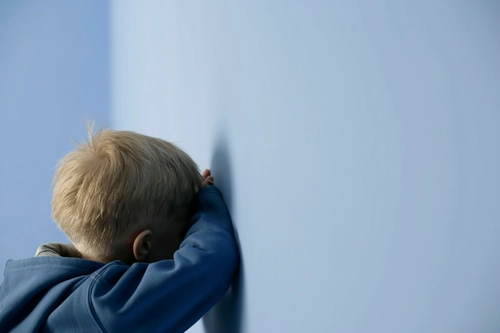
Address Public Outbursts with Immediate Boundaries
If a child lashes out or has an outburst in public, remove them from the situation immediately. When they were at a restaurant, some parents would make their child sit in the car until they calmed down. They didn’t get to finish dinner. They didn’t get leftovers. The experience ended the moment the behavior became unacceptable.
The same principle applies anywhere. At the mall, in the airport, or at a family gathering—take them out of the environment until they can regulate themselves. This isn’t shaming. It’s teaching that public behavior is a responsibility, not an afterthought.
Remove Phone Privileges, Not Just Timeout
If you’re paying the phone bill, you get to decide when the phone is used. If homework isn’t getting done or grades are slipping, revoke the phone privilege. Make them sit at the dining room table for two hours after school and complete their work before they can do anything else. Consistent homework time, free of distractions, builds discipline that a five-minute timeout simply can’t achieve.
This is not about punishment for the sake of punishment. It is about creating structure that supports learning. When children know what is expected and see that consequences follow naturally, they are more likely to take responsibility for their own choices.
Let Consequences Teach, Not Fear
Consequences are not the same as abuse. They are not about intimidating a child into submission. They are about helping children understand that every action has a reaction—and that they are capable of choosing better behavior.
Let the kids be kids. Let them learn consequences based on what they do, without it becoming reactionary abuse. There are always alternatives. Parents just need to start thinking outside the box.
