I was standing in the cereal aisle when it hit me. Heart thumping so loud I was sure the woman next to me could hear it. My fingers went cold. My stomach dropped like I’d missed a step going downstairs. I grabbed the cart handle and thought, this is it, I’m about to faint right here next to the Cheerios. But I didn’t faint. Twenty minutes later I was loading groceries into the car like nothing happened. Just another afternoon with anxiety symptoms that felt like a medical emergency.
What physical symptoms do you get with anxiety? I asked myself that question for years before I learned to name what was happening. And here is the truth. You are not broken. Your body is not betraying you. It is doing exactly what bodies do when they think you are in danger. The problem is the danger is not real. The cereal aisle is not a threat. But try telling that to a nervous system that just decided to run a fire drill.
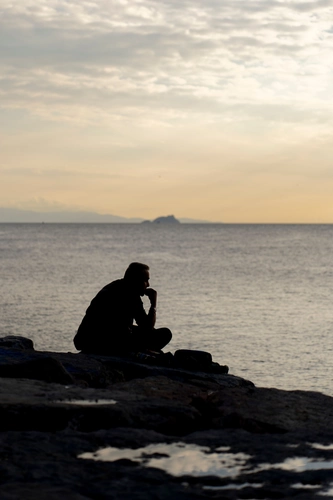
What Physical Symptoms Do You Get With Anxiety and Why Do They Feel So Real?
Your body has an alarm system. It is old. Older than language. When it senses a threat it floods you with adrenaline and cortisol. Your heart speeds up to pump blood to your muscles. Your breathing gets shallow. Your digestion shuts down because who needs to digest lunch when you are running from a lion? Every single sign of anxiety attack you have ever felt makes perfect sense if you imagine yourself in actual danger. The problem is your brain cannot always tell the difference between a lion and a stressful email.
I have talked to dozens of parents about their anxiety symptoms. The list is wild. One mom told me her tongue goes numb. Another said her vision blurs at the edges. A dad I know gets such bad stomach cramps he has to lie on the bathroom floor. Symptoms of anxiety are not just “feeling worried.” They are full body experiences. Racing heart, sweating, shaking, chest tightness, that weird buzzy feeling in your head. Some people get hot flashes. Some get freezing cold hands. Some throw up. Some cannot eat. Some cannot stop eating. The variety is staggering, but the mechanism underneath is the same. Your body hit the panic button.
Hyper awareness makes everything worse. When you are anxious you start scanning for danger. Every little sensation becomes a clue that something is terribly wrong. That twitch in your eyelid? Probably a brain tumor. The slight dizziness? A stroke coming on. Your arm feels funny? Heart attack. Anxiety attacks and symptoms feed on themselves this way. You notice a sensation, you interpret it as a threat, your body releases more stress hormones, the sensation gets stronger, and around you go.
How Can You Tell If It Is Anxiety Symptoms or Something Else?
This is the question that keeps people up at night. I have asked it myself at three in the morning while googling “signs of heart attack in women” for the fifth time that week. The scariest thing about anxiety attack symptoms is how much they mimic serious illness. Chest pain. Shortness of breath. Dizziness. Numbness. These are not imaginary. They are real physical experiences. But there is a pattern. An anxiety attack tends to build in intensity, peak, and then fade. It comes in waves. And it almost always gets worse when you focus on it.
I learned a small trick from a nurse in the emergency room after a particularly bad night. She told me to check the clock. If the chest pain moves around, if it comes and goes, if it gets sharper when I press on my ribs, if I can distract myself for five minutes and the pain lessens, it is probably anxiety. She did not say “definitely.” She said “probably.” And she told me to see my doctor anyway. Which I did. And everything was fine. Again. The relief lasted about two days before the next symptom showed up. That is the nature of the thing. It shifts. Yesterday it was a lump in your throat. Today it is tingling fingers. Tomorrow it might be jaw pain. Your brain is creative. It will find new ways to scare you.
Still, you need to know. Is it anxiety symptoms or is something actually wrong? No article can answer that for you. No one on Reddit can answer it. But I can tell you what helped me. I made a deal with myself. I would go to the doctor once. Get a full checkup. Blood work, EKG, the works. And then when the results came back clear I would write that down and keep it somewhere I could see it. “Your heart is healthy. Your lungs are clear. Your blood is normal. What you are feeling is anxiety.” I read that note so many times the paper got soft. And slowly, slowly, my brain started to believe it.
The “Name and Frame” Method for Riding Out Anxiety Symptoms
I call this the Name and Frame method. It is not a cure. It is a tool. Something you can reach for when you are in it. Here is how it works.
When you feel an anxiety symptom coming on, name it out loud. “My chest feels tight.” “My hands are tingling.” “I feel dizzy but I am not actually dizzy.” Speak it plainly like you are reading a weather report. No drama. Just facts. This does two things. It moves you out of the feeling part of your brain and into the observing part of your brain. And it strips the symptom of its power. A tight chest is just a tight chest. It is not a heart attack until you label it a heart attack.
Next you frame it. You say to yourself, “This is a sign of anxiety attack. My body is doing its fire drill thing. It has done this before. It always passes.” You frame the experience as a known event rather than a mysterious threat. It is like watching a movie you have seen already. You know how it ends. It ends with you still alive, still breathing, probably a little exhausted, but fine.
Here is what this sounded like in my house last Tuesday. I was sitting on the couch and my heart started pounding out of nowhere. I said out loud to my empty living room, “Okay. Heart is racing. Feeling a little shaky. That’s the adrenaline dump. This is an anxiety attack. I have had a hundred of these. It will peak in about ten minutes and then it will settle.” And I sat there and let it happen. I did not fight it. I did not call my husband. I did not google anything. I just named it and framed it and waited. And ten minutes later, like clockwork, it settled.
What to Do in the First Three Minutes
The first three minutes of an anxiety attack are the worst. Your brain is screaming at you to do something. Run. Call 911. Google your symptoms. Anything. But doing something often makes it worse. Instead try this. Plant your feet on the floor. Press them down hard. Feel the ground. Then look around the room and name five things you can see. Lamp. Couch. Window. Book. Cat. This is not a magic trick. It just gives your brain something concrete to do while the adrenaline burns off. Some people splash cold water on their face. Some people hold an ice cube. The cold triggers a reflex that slows your heart rate. It is weird but it works. One mom told me she keeps a frozen orange in her freezer just for this. She holds it in both hands and focuses on the cold. By the time the orange starts to thaw the wave has passed.
What Comes After the Wave
After an anxiety attack you will feel tired. Bone tired. Like you ran a marathon. This is the crash. Your body just spent a huge amount of energy on a threat that was not real. Let yourself rest. Do not try to jump back into normal life immediately. Drink some water. Eat something small. Lie down for a few minutes. Some people get a headache. Some people feel shaky for hours. Symptoms of anxiety do not always end when the panic ends. The body takes time to reset. Be patient with it.
Why Your Symptoms Keep Changing
One of the most unsettling things about anxiety is how the symptoms shift. Just when you get used to the chest pain it moves to your head. Then it is stomach issues. Then it is tingling in your face. Then it is that weird feeling like you cannot swallow. This is not a sign that something new is wrong. It is a sign that your anxiety is creative. Your brain is always looking for the next threat. When you stop being afraid of one sensation it finds another. The solution is not to chase each new symptom. The solution is to recognize the pattern. Whatever the sensation is, the response is the same. Name it. Frame it. Breathe through it. It will pass.
FAQ
What are the most common anxiety symptoms?
The most common anxiety attack symptoms include racing heart, chest tightness, shortness of breath, dizziness, sweating, shaking, nausea, and a feeling of dread or doom. Some people also experience tingling in the hands or face, hot flashes, chills, or a sensation of being detached from reality. These are all signs of anxiety attack and are completely normal even though they feel terrifying.
Can anxiety symptoms last for days?
Yes. While a panic attack typically peaks within minutes and then fades, the physical symptoms of anxiety can linger for hours or even days. Muscle tension, fatigue, headaches, and that low hum of unease are common. This is not a sign that something is wrong. It is a sign that your nervous system has been working hard and needs time to recover.
How do I know if it is anxiety or a heart problem?
This is scary and I understand why you are asking. Anxiety and heart problems share many symptoms. Chest pain, shortness of breath, and racing heart can be both. If you have any doubt please see a doctor. Get checked out. Once you know your heart is healthy you can use that knowledge to help calm yourself when anxiety symptoms show up. Many people find that writing down their clear test results helps them challenge the fear when it returns.
Why do I get anxiety symptoms when I am not even worried?
This is one of the most confusing parts. You are sitting on the couch watching TV and suddenly your heart is pounding. No trigger. No scary thought. Just boom. Anxiety can fire on its own. Your body stores stress and sometimes it releases that stress at random moments. It does not mean something is wrong. It means your body is offloading tension. Let it happen. It will pass.
Sources:
In her book The Anxiety and Phobia Workbook, Dr. Edmund Bourne explains the connection between hyperventilation and dizzy spells during anxiety attacks.
Dr. Claire Weekes, in Hope and Help for Your Nerves, describes the “first fear” and “second fear” cycle that causes symptoms of anxiety to intensify.
The Anxiety and Depression Association of America notes that “anxiety disorders are real, serious medical conditions, just as real and serious as physical disorders.” Their resources confirm that heart palpitations, shortness of breath, and chest pain are among the most common complaints.
One Last Thing
That heavy sinking feeling in your gut, the one you were convinced would never go away. It did go away. It always does. You just have to stop fighting long enough to notice.
