I can actively feel it coming on. Like right now. My hands were freezing and tingly, legs shaking, breath quickening. I knew the spiral was beginning. And I had no idea how to stop it. I’d had anxiety for a while, but these full-blown anxiety attacks were new territory. I desperately needed to know how to stop anxiety, fast. Have you ever felt that? The terrifying sense that your body is betraying you?
If you’re reading this, you’re likely in the same spot. Here’s the truth: You are not alone. Millions of us have been there. And yes, you can learn how to stop an anxiety attack, even when it feels impossible. I’m going to walk you through exactly what worked for me. This isn’t clinical advice. It’s a friend saying, “Here’s what I tried. Here’s what helped.”
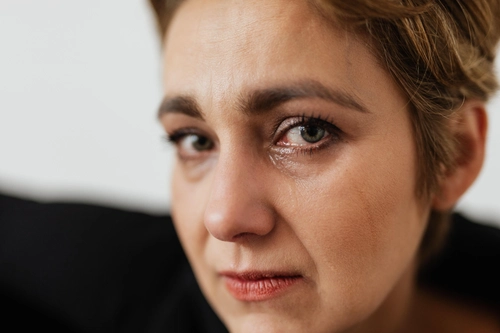
Why Do Anxiety Attacks Feel So Overwhelming and Unstoppable?
Anxiety attacks rely on one simple thing: your fear. During an attack, your breathing goes shallow and fast. You hyperventilate, which disrupts the balance of oxygen and carbon dioxide. That imbalance causes physical symptoms that convince you something is seriously wrong.
So the key to how to calm down anxiety isn’t about fighting harder. It’s about short-circuiting that feedback loop. You need to break the chain between physical sensation and terror.
Anxiety Attacks: 5 Fast-Acting Techniques to Use Right Now
I’ve tried dozens of strategies to learn how to calm anxiety. These five rose to the top because they work in real life—when your brain is screaming and the world feels thin.
- Ice on the back of your neck: A kind stranger on Reddit shared this. When you’re in a spiral, grab an ice pack or a cold soda can. Press it against the back of your neck. The shock of cold jolts your nervous system, forcing your brain to focus on the cold rather than the panic.
- Sour candy or strong mint: The moment the sour hits your tongue, your senses get flooded. Your brain switches from obsession about your heartbeat to processing that intense flavor. It’s a reset button for your sensory system.
- The 4-4-4 breathing technique: Breathe in for four seconds, hold for four, exhale for four, and pause for four. Repeat. Your brain can’t count and panic at the same time.
- Ride it out: “IT WILL NOT KILL YOU”: Trying to stop the attack with desperate force only makes it stronger. The trick is to accept it. Whisper to yourself, “I gotta ride this out. I accept it as it is.” When you remove the fear, the fuel disappears.
- Music or videos that ground you: Find what anchors you. When your hands start to tingle, put on that song or bunny video, and just let it play while you breathe.
The Grounding Reset: A 3-Minute Ritual
I use this ritual when I feel the first signs.
- Step 1: Physical shock (30s): Grab ice or sour candy. Say aloud: “This is just a sensation. It will pass.”
- Step 2: Box breathing (90s): Close your eyes and do the four-count breathing. Count out loud if it helps anchor you.
- Step 3: Radical acceptance (60s): Say to yourself: “I am safe. This feeling is fleeting. It cannot hurt me.”
When Breathing Exercises Alone Don’t Work
I’ve had moments where the breathing felt pointless. In those moments, I leaned hardest on acceptance. When I stopped trying to fix myself mid-attack and just let the feelings be there, they faded faster. Not because I was stronger, but because I stopped feeding the fear.
What to Do in the Aftermath
After an attack subsides, you’re exhausted. Don’t let shame win. Drink cold water, step outside, or text a friend: “Had a rough one. I’m okay now.” Forgive yourself. You are not broken.
Frequently Asked Questions
How can I stop an anxiety attack in 5 minutes? Start with a physical shock like cold water or sour candy. Then, use a counted breathing technique. Combining these is the most effective way to learn how to stop anxiety in the heat of the moment.
Do ice packs really help? Yes. A cold stimulus activates the dive reflex, which naturally slows heart rate. It buys you precious moments to regain control.
Can breathing exercises truly stop an anxiety attack? They can, but focus on the count, not on the pressure to “calm down.” By restoring your oxygen balance, you reduce the physical symptoms that fuel the fear. It takes practice.
One Last Thing: I still remember that night, hands trembling, convinced I was dying. But I wasn’t. You aren’t either. Riding it out is possible. And you don’t have to do it alone.
