How do we communicate with someone who doesn’t want to communicate with us?
It’s one of the hardest conversations you can try to have—because you’re not even sure if they’re listening. But there is a way to approach it that respects both your dignity and theirs. Here’s a three-part framework.
Step 1: Acknowledge the Obvious
Start by naming what’s already true. Say: “I know there’s distance between us. I know things aren’t how we both want them to be. I know I’ve messed up—whatever that means to you.”
This part is about acknowledging the reality without defensiveness. You’re not trying to fix it yet. You’re not making excuses. You’re just saying: “I see what’s happening, and I’m not pretending otherwise.” That alone can lower the walls a little.
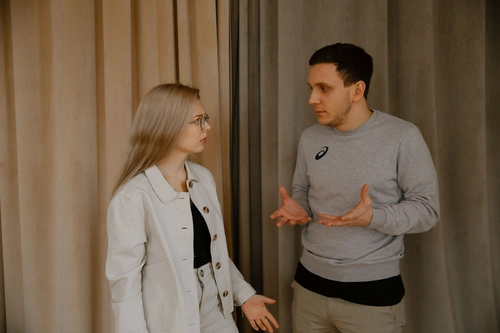
Step 2: Release the Pressure
Then make it clear what you’re not asking for. Say: “I’m not asking you to change your mind. I’m not asking for an apology. I’m not asking for anything you’re not ready to give.”
This part is crucial because most people assume when you reach out, you want something—closure, forgiveness, a second chance, or even just validation. By naming what you’re not asking for, you take the pressure off. You’re not there to take. You’re just there to be present.
Step 3: Stay Open
Finally, leave the door open without forcing it. Say: “I’m open to a conversation. I’m open to listening. Whenever you’re ready, the door is here.”
This part is about creating a space—not demanding that they enter it. You’re not pushing. You’re not chasing. You’re simply saying: “I’m here if you ever want to come back.” That’s powerful, because it gives them control over the timing without asking you to abandon your own openness.
If They Still Don’t Respond
Sometimes, even that’s not enough. And in that case, what I like to say is: if you can’t be a bridge, be a lighthouse.
If they don’t want to come across to you and they burn the bridge, well then, they’ll at least know where you are. They’ll know what you stand for. They’ll see the light you’re trying to bring—even if they don’t want to talk.
You can’t force a relationship, but you can remain steady. You can stay open. You can keep being someone who is willing to listen, willing to own their part, and willing to wait. That’s not weakness. That’s integrity.
