I went to a friend’s birthday dinner last month. Seven of us, all old friends. By dessert, two people were not speaking. The issue was not small or large. It was about what loyalty meant. One said loyalty meant showing up. The other said loyalty meant speaking the truth. They were both right. That is what makes it hurt.
Eliza Griswold’s Circle of Hope tells a bigger version of that dinner table fight. It follows a small progressive church in Philadelphia. A church full of people who wanted to do good. They fed the hungry. They marched for justice. They loved each other, I think. But love did not save them from breaking apart.
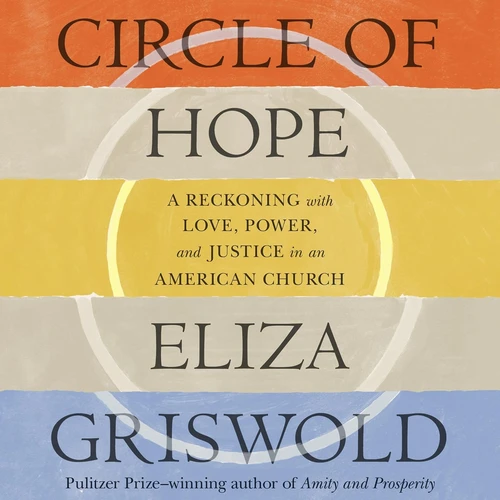
The book asks a question that has stayed with me for weeks. What happens when two groups of good people disagree on what good means? Not good versus evil. That is easy. Good versus good. That is the kind of fight that leaves scars.
The People Who Wanted Everything to Be Right
The protagonist of this story is not one person. It is the church itself. A body of about three hundred souls. They shared meals. They shared money. They shared a belief that faith should be active, not just talked about.
Griswold does something rare here. She gives us the leaders without making them heroes or villains. There is the founding pastor, a man of deep conviction. There is the younger pastor, a woman who saw the church differently. Both wanted the same thing. A community that lived out the gospel. But they could not agree on what that looked like.
The core conflict is about direction. Should the church focus on internal spiritual growth or external political action? That sounds clean on paper. In real life, it was messy. Meetings went late. Emails were sent that should not have been sent. People cried. People left.
I will not tell you who was right. The book does not either. That is the point. The question is not who was right. The question is why we cannot stay together when we both want good things.
The Quiet Violence of Certainty
The central theme here is certainty. How it feels like a virtue but acts like a weapon. Griswold shows this through small details. A disagreement about whether to host a political event. A debate about what words to use in a prayer. These are not big things. They are the small cuts that bleed you dry.
The key imagery in the book is the church building itself. A physical space that was supposed to hold everyone. It was a refuge, a sanctuary. But it became a cage. People could not leave their certainty at the door. They brought it inside. They sat with it. They let it grow until there was no room for anyone else.
Griswold is a careful observer of human contradiction. She shows how the same people who spoke of love could not listen. How the same people who preached grace could not offer it. This is not a story about hypocrites. It is a story about humans. I recognized myself in it. You probably will too.
The book does not give easy answers. That is its strength. It leaves you sitting with the discomfort. The discomfort of knowing that you have been the person who was right, and also the person who was wrong, and maybe those are the same thing.
What We Lose When We Win
Cross-era resonance is everywhere in this book. This is not just a church story. It is a story of every fractured friendship, every family that does not speak at Thanksgiving, every organization that splits into two. We live in a time of righteous anger. We are good at knowing what is wrong. We are bad at staying in the room with people who disagree.
The book has its limits. It focuses on the leadership, not the ordinary members. I wanted more of the quiet voices. The people who just wanted to cook meals and hold hands. They are there, but in the background. Griswold chose to tell the story of power. That is fair. But power is not the only story.
What you get from this book is a mirror. You see your own certainties. Your own fights. Your own losses. It is not a comfortable read. It is an honest one.
I recommend Circle of Hope to anyone who has ever been part of a group that fell apart. Which is everyone. It will not tell you how to fix it. It will tell you that you are not alone. That the pain of trying to stay together is real. That maybe the point is not winning the argument. Maybe the point is learning to stay in the room even when you want to leave.
Maybe that is what love really is. Not the absence of fight. But the presence of people who keep showing up, even when they do not know how to agree.
