Why do people say one thing and do another? Why do we make decisions we later regret? Why do smart people believe things that are clearly wrong? Why does a group of reasonable individuals sometimes make terrible decisions together?
These questions show up in your relationships, your workplace, your social media feed, and your own mind. Most people never get clear answers.
This reading list is organized not by publication date or popularity, but by the layers of human behavior that actually matter. Each book covers one piece of the puzzle. Start with the layer that frustrates you most.
Quick Reference: Which Book Should You Start With?
| Your Question | Start With |
|---|---|
| Why does this person confuse me? | Awakening to Human Nature |
| Why do smart people believe dumb things? | The Righteous Mind |
| Why do I keep making bad decisions? | Predictably Irrational |
| Why do good people do bad things? | The Lucifer Effect |
| Why does having more choices make me anxious? | The Paradox of Choice |
| Why do I keep repeating the same relationship patterns? | Games People Play |
| Why do I feel anxious in relationships? | Attached |
| Why do people act differently in different settings? | The Presentation of Self |
| Why do people refuse to admit they are wrong? | Mistakes Were Made |
| Why do people compete and manipulate? | The 33 Strategies of War |
Part One: Understanding Individual Behavior
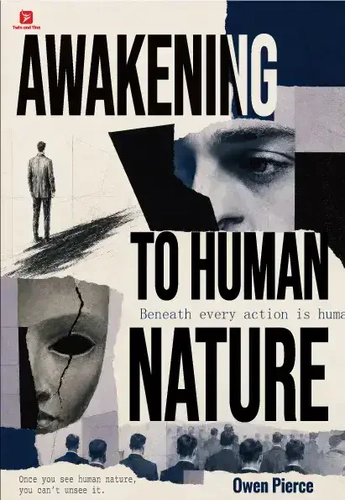
1. Awakening to Human Nature by Owen Pierce
You walk away from a conversation knowing something was off, but you cannot explain why. Someone’s words and actions do not match.
Pierce teaches you to notice patterns most people miss—small changes in tone, hesitation, mismatches between words and behavior. Most people have consistent communication patterns. When those patterns change, something has shifted underneath. Noticing change is how you stop being confused by the people around you.
This is the foundation. Without understanding individuals, nothing else makes sense.
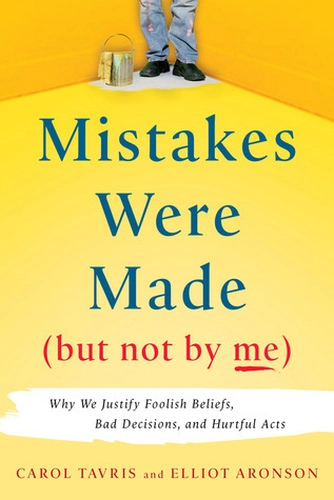
2. Mistakes Were Made (But Not by Me) by Carol Tavris and Elliot Aronson
Most of us believe we are honest, fair, and reasonable. Tavris and Aronson show we are often wrong—and that our brains are wired to protect us from realizing it.
Cognitive dissonance makes us rewrite memories, distort facts, and blame others. We convince ourselves that our mistakes were not our fault. If you have ever wondered why people—including yourself—dig in deeper when proven wrong, this book explains why.
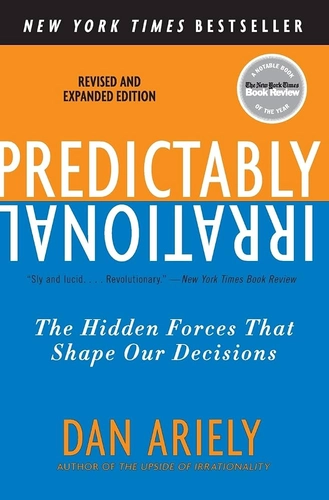
3. Predictably Irrational by Dan Ariely
Ariely runs experiments that reveal the hidden forces behind our choices. Why does the word “free” make you behave irrationally? Why do you overvalue things you already own?
You start noticing when your own brain is taking shortcuts. You start asking: why do I actually want this? The answer is often not what you expect.
Part Two: Understanding Social Influence
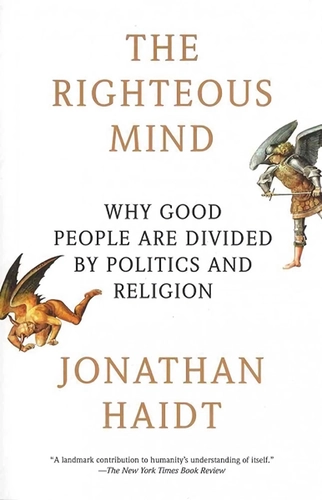
4. The Righteous Mind by Jonathan Haidt
Why do intelligent people look at the same situation and reach completely different conclusions?
Haidt argues that moral judgments are driven by intuition, not reason. We make snap judgments about right and wrong, then use logic to justify them. This is why debates rarely work. Understanding this does not make disagreements go away. But it makes them less baffling.
5. The Lucifer Effect by Philip Zimbardo
Why do good people do terrible things in the wrong environment?
Zimbardo shows that authority, social roles, and environmental pressure can override individual morality. This is the hardest read on this list. But if you want to understand why people behave differently in groups, institutions, or extreme situations, this is the book.
6. The Presentation of Self in Everyday Life by Erving Goffman
Why do people act differently in different settings?
Goffman argues that social interaction is like theater. We perform roles. We manage how others see us. This explains why people seem inconsistent. They are not being fake—they are responding to different social situations.
Part Three: Understanding Relationships and Interaction
7. Games People Play by Eric Berne
Why do you keep having the same arguments with the same people?
Berne argues that people unconsciously play psychological games with each other—with roles like victim, persecutor, and rescuer. Recognizing the game is the first step to stopping it.
8. Attached by Amir Levine and Rachel Heller
Your attachment style shapes how you behave in relationships. Some people are secure, others anxious, others avoidant.
Levine explains why mismatches between styles cause so much misunderstanding. Understanding your own attachment style helps you see why you react the way you do, and why certain people trigger certain reactions in you.
Part Four: Understanding Decisions and Human Bias
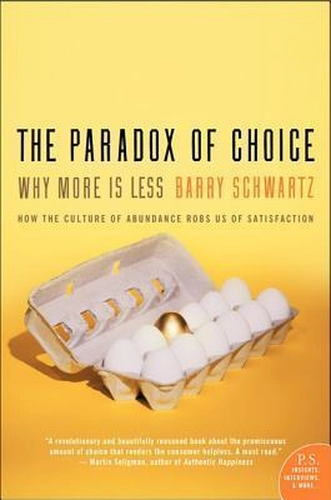
9. The Paradox of Choice by Barry Schwartz
More choice does not mean more freedom. Sometimes, it means more anxiety.
Schwartz shows that too many options can lead to paralysis, regret, and dissatisfaction. A short, readable book about why more options often make us less happy.
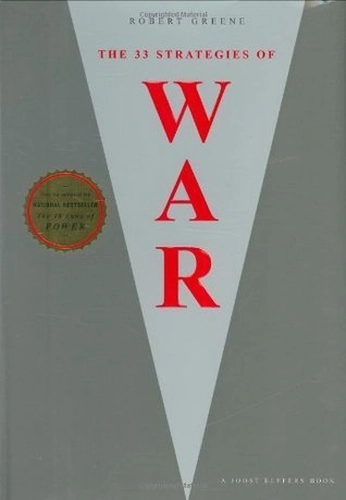
10. The 33 Strategies of War by Robert Greene
Why do people compete? How do alliances form and break?
Greene draws on military history to explain the patterns of human conflict. Practical for navigating office politics, negotiations, and any situation where interests collide.
Frequently Asked Questions
Do I need to read all 10 books?
No. Pick the book that answers the question you ask yourself most often. Read one. Then come back for another.
What is the best book to start with?
If you are not sure, start with Awakening to Human Nature. It gives you tools to observe and understand people in your daily life, which makes the other books more useful.
Can reading these books change how I see people?
Yes. Each book offers a different lens. Once you have read a few, you will start noticing patterns you never saw before—in others and in yourself.
