A Peaceful Family Is Not a Conflict-Free Family
Family life can be noisy and complicated. Children have strong opinions, parents get tired, schedules go wrong, and ordinary requests sometimes turn into arguments that seem much bigger than the original problem.
A peaceful family dynamic does not mean everyone agrees all the time. It means disagreements do not automatically become personal attacks, shouting matches, or long periods of resentment.
That kind of environment is usually built through small patterns repeated every day. The way parents respond to emotions, communicate expectations, set limits, and give children room to handle problems can gradually shape the entire atmosphere at home.
What Creates Tension in Family Life?
Sometimes the same few patterns keep appearing. A parent reminds a child five times to do something, the child starts pushing back, the parent gets louder, and everyone ends up frustrated.
Other families get caught in a different cycle. One parent handles everything while the other stays on the sidelines, or parents disagree about rules and children learn to look for the softer answer. Small inconsistencies like these can make family relationships much more tense than either parent intends.
The three books below approach family dynamics from different angles, but they all offer practical ideas for making everyday interactions more manageable.
1. The Parent You Aspire to Be by Miles Carter
The Parent You Aspire to Be focuses on the ordinary situations that shape family dynamics over time. Its chapters address meltdowns, lying, procrastination, rude language, unwillingness to study, picky eating, fear of failure, constant correction, overreminding, and conflict between children.
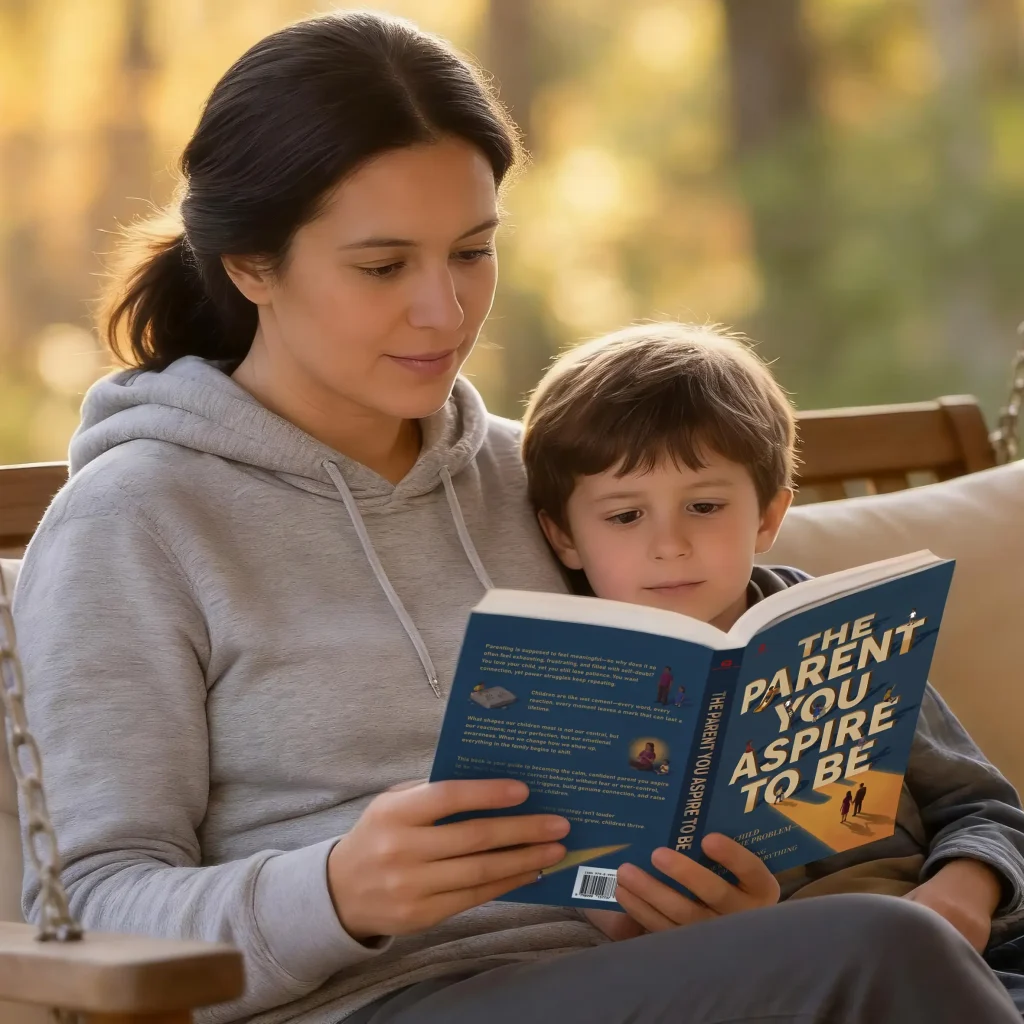
What makes the book particularly relevant to family dynamics is that it does not treat the child’s behavior as the only thing that needs to change. It repeatedly asks parents to look at their own responses as well. A child who keeps resisting may need a different kind of guidance, while a parent who is constantly correcting may unknowingly be making the interaction more tense.
The book places strong emphasis on recognizing children’s feelings and helping them regulate emotions. It also addresses how children learn calm from parents’ behavior, which matters because emotional patterns spread quickly through a family. A parent who can slow down during a difficult moment creates a very different environment from one where everyone reacts at full intensity.
Boundaries are another major theme. The chapter The Best Parents Are Firm and Kind: Kind Parenting With Firm Boundaries reflects the book’s broader approach: children need clear limits, but those limits do not need to be delivered through fear, humiliation, or constant power struggles.

The Parent You Aspire to Be
Miles CarterPractical guidance for tantrums, backtalk, lying, screen addiction, emotional outbursts, and everyday parenting struggles.
The book also spends time on independence. Its discussions of overprotecting, overreminding, constant correction, and stepping in whenever a child has a problem all point toward the same family dynamic: when parents manage every difficulty, both sides can become more frustrated.
For readers searching for books for peaceful family dynamics, The Parent You Aspire to Be is especially relevant because it connects communication, emotional regulation, discipline, boundaries, and independence rather than treating them as separate parenting issues.
2. How to Talk So Kids Will Listen & Listen So Kids Will Talk by Adele Faber and Elaine Mazlish
How to Talk So Kids Will Listen & Listen So Kids Will Talk puts parent-child communication at the center of family relationships. It focuses on helping parents respond to children’s feelings, encourage cooperation, set limits, and handle conflict without relying on constant punishment or criticism.
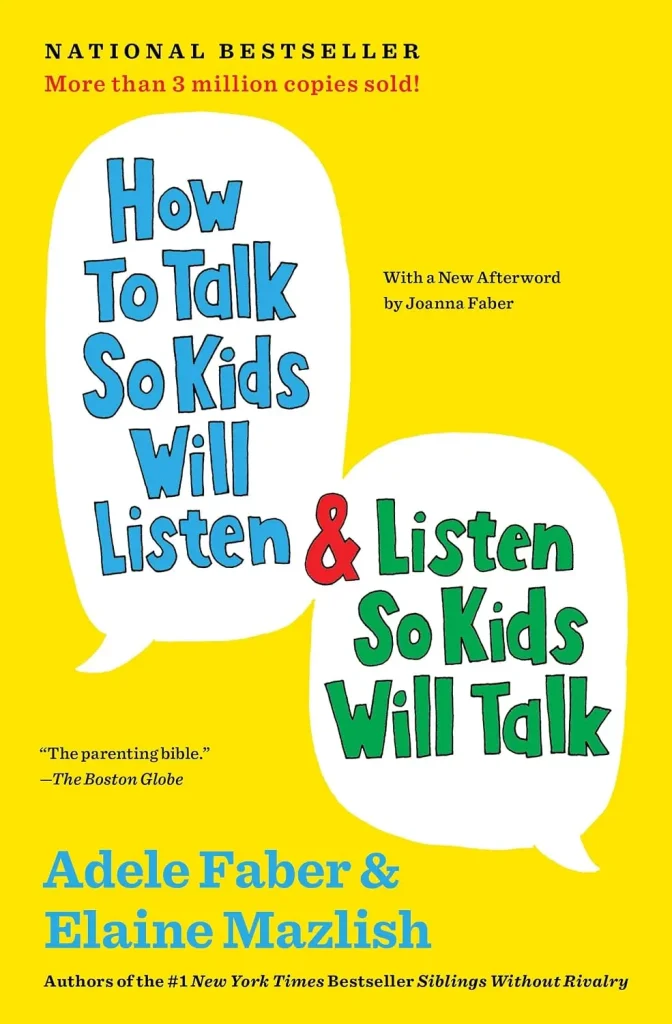
This is useful when the atmosphere at home becomes tense because everyone feels unheard. A child may be frustrated by the way a parent speaks to them, while the parent is equally frustrated that the child does not seem to cooperate.
The book provides practical communication approaches that can help shift those everyday interactions. Its focus is less on creating a perfect family and more on changing the quality of the conversations that happen inside the family.
3. The Whole-Brain Child by Daniel J. Siegel and Tina Payne Bryson
The Whole-Brain Child approaches family dynamics through children’s emotional and developmental processes. It helps parents understand why children can become overwhelmed and why certain reactions may be connected to developing emotional and cognitive skills.
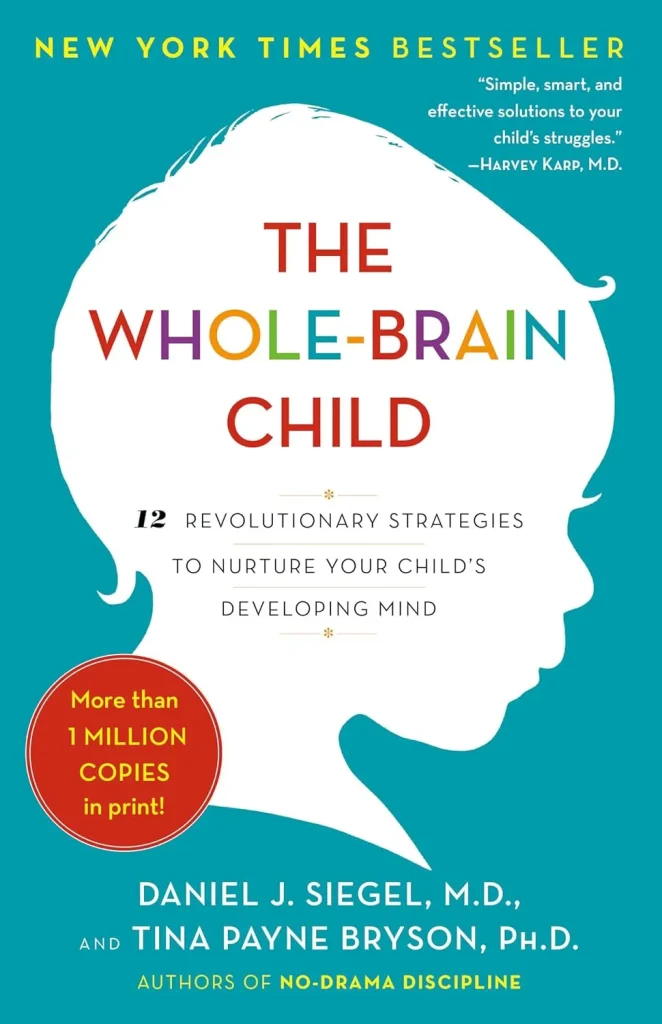
That perspective can be useful when parents feel that a child’s behavior is unpredictable or disproportionate to the situation. Understanding what may be happening underneath the behavior can make it easier to respond with guidance rather than immediate frustration.
The book offers strategies for handling strong emotions and helping children develop greater awareness of what they are feeling. This can support a calmer family environment because parents are not simply reacting to the behavior in front of them.
Peaceful Family Dynamics Start With the Adults Too
Parents often spend a lot of time thinking about how children should behave, but the emotional tone of a home is shaped by adults as well. Children watch how parents handle disagreement, frustration, mistakes, and stress even when nobody is explicitly teaching them.
The Parent You Aspire to Be gives this idea a central place. Its discussion of parental anxiety and emotional regulation is important because a parent who can stay grounded has more capacity to guide a difficult situation without turning it into another argument.
Nobody will respond perfectly every day. The point is not perfection. It is becoming more aware of the patterns that repeatedly make family life harder and gradually replacing them with more useful ones.
Children Need Boundaries and Breathing Room
A peaceful home is not one where children can do anything they want. Children need routines, expectations, and limits, but they also need enough freedom to develop judgment.
The book’s sections on giving children space, not overstepping their right to solve problems, and avoiding overprotection are particularly useful here. When parents step back at the right moment, children get opportunities to build independence instead of waiting for an adult to solve everything.
That can improve family dynamics in a surprisingly practical way. Parents carry less of the mental load, and children get more chances to become capable.
Better Dynamics Come From Repeated Everyday Choices
Family relationships are rarely transformed by one perfect conversation. They change through repeated interactions: how you respond to the next meltdown, whether you repeat the same reminder yet again, how you speak after a child makes a mistake, and whether you allow them to handle a problem themselves.
That is why these books are useful in different ways. The Parent You Aspire to Be brings together behavior, emotions, boundaries, and independence; How to Talk So Kids Will Listen & Listen So Kids Will Talk focuses on communication; and The Whole-Brain Child offers a developmental perspective on emotional behavior.
For parents looking for books for peaceful family dynamics, the most practical ideas are often the ones that change what happens during ordinary moments at home. A calmer family is not built by avoiding every disagreement. It is built by learning how to move through those disagreements without letting them define the relationship.

