Every morning, Claire reminded her daughter to get dressed, pack her school bag, bring her lunch, and check her homework. If something was forgotten, Claire usually caught it before they left the house. She knew she was helping, but one morning her daughter stood by the door and asked, “What am I supposed to do now?” Claire realized that after years of trying to keep everything on track, she had become so involved in the process that her child had very little practice managing it alone.
Raising an independent child does not happen simply by telling them to “be responsible.” Children need opportunities to make decisions, work through manageable problems, recover from mistakes, and experience the natural results of their choices. Parents still provide guidance and boundaries, but they do not have to be the person who steps in every time something becomes difficult.
The books below approach independence from different angles, from everyday parenting habits to motivation and the role of mistakes.
1. The Parent You Aspire to Be by Miles Carter
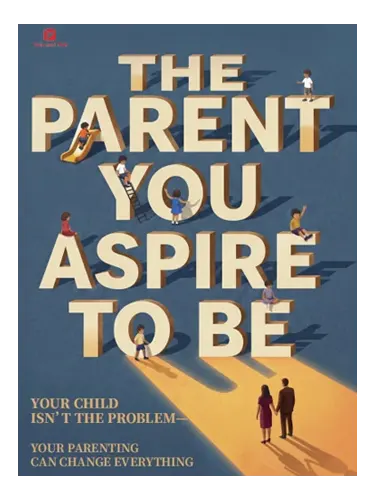
The Parent You Aspire to Be focuses on several parenting habits that can quietly get in the way of independence. It addresses over-reminding, constant correction, overprotection, stepping into every conflict, and solving problems for children before they have had a chance to work through them.
The book also emphasizes giving children space while maintaining firm and kind boundaries. That balance is important because independence does not mean leaving children without support. It means gradually shifting some responsibility back to the child so they can practice handling situations for themselves.
For parents who feel as though they are constantly managing, reminding, checking, or fixing, the book offers a useful way to reconsider where help is needed and where stepping back may actually be more helpful.
2. The Self-Driven Child by William Stixrud and Ned Johnson
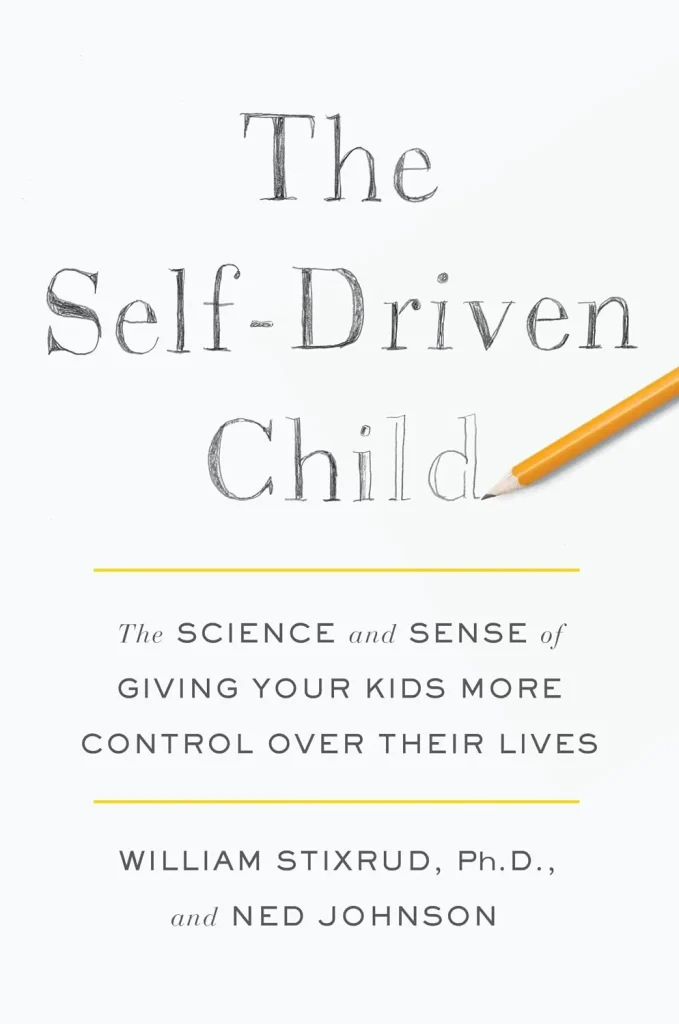
The Self-Driven Child explores the relationship between parental involvement, autonomy, motivation, and a child’s sense of ownership. William Stixrud and Ned Johnson argue that children need room to make choices and experience responsibility rather than having every decision made for them.
This perspective can be especially useful for parents who have become heavily involved because they are worried about their child’s performance or future. The more adults take over, the less opportunity children may have to practice making decisions and managing the consequences.
The book does not suggest that parents should stop caring about outcomes. Instead, it looks at how parents can provide support without turning themselves into the person responsible for every outcome.
3. The Gift of Failure by Jessica Lahey
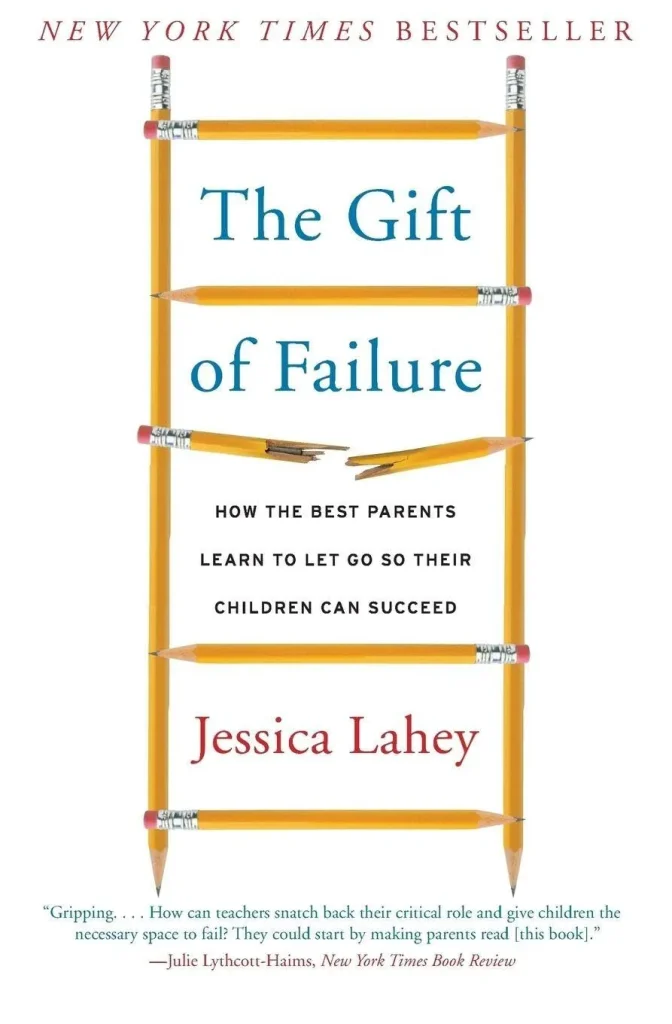
The Gift of Failure examines what children can learn from manageable mistakes and setbacks. Jessica Lahey’s central argument is especially relevant to independence because children cannot become capable problem-solvers if adults constantly remove every opportunity for things to go wrong.
That can be difficult for parents to put into practice. It may feel faster to correct a forgotten item, fix a child’s mistake, or step in when they are struggling. But when the consequences are reasonable and safe, allowing a child to experience them can help develop responsibility in a way that another reminder cannot.
The book encourages parents to rethink what “helping” really means. Sometimes the most useful support is not taking over, but allowing a child enough room to discover that they can handle more than they expected.
Give Your Child Something They Can Actually Own
Independence grows through repeated experiences, not one big lesson. A child can start by managing a small responsibility, making a simple choice, or figuring out a problem before an adult offers the solution.
It can help to notice how often you give instructions for things your child already knows how to do. Another useful question is whether your intervention is preventing a real problem or simply preventing a little inconvenience.
You may find that stepping back feels harder for you than it does for your child. That is normal. Parents often have to resist their own urge to make things faster, cleaner, or easier.
The important part is to keep expectations clear while giving children enough room to act on them.
Independence Needs Both Freedom and Boundaries
Children do not become independent because parents stop setting limits. They become more capable when they know what is expected, understand which choices are theirs to make, and get regular chances to practice within those boundaries.
For example, a parent can decide when homework needs to be completed while allowing the child to decide how to organize the work. You can make the family rule clear without solving every part of the task.
That balance appears throughout these books in different forms. The Parent You Aspire to Be focuses on everyday habits that either support or interfere with independence, The Self-Driven Child looks at autonomy and ownership, and The Gift of Failure explores what children gain when adults allow manageable mistakes to happen.
A child who is given responsibility today will not always handle it perfectly. That is part of how responsibility is learned.
Did this article help you see things differently? Our books turn helpful ideas into practical tools you can return to anytime.



Break the Anxiety Circle
$19.90

From Debt to Wealth
$19.90


