Parenting can be rewarding, but it can also feel exhausting.
Many parents find themselves asking:
“Am I doing enough for my child?”
“Why does my child react this way?”
“How can I handle parenting challenges without losing patience?”
Feeling overwhelmed does not mean parents do not care.
In many cases, it means they care deeply and want to do better.
The challenge is that parenting is not only about knowing what to do.
It is about understanding children’s emotions, responding to difficult moments, and building a relationship where children feel safe and supported.
The right parenting books can provide new perspectives and practical tools.
Here are three books that can help overwhelmed parents become more confident and connected.
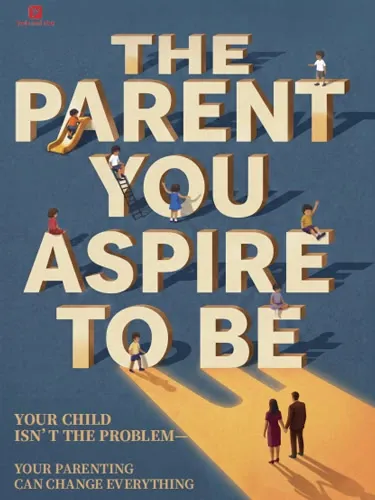
1. The Parent You Aspire to Be
Best for: Parents who want to build a deeper connection with their child
Many parenting struggles begin with the same question:
“How do I get my child to behave better?”
But a more meaningful question is:
“What is my child trying to communicate?”
The Parent You Aspire to Be focuses on helping parents understand the emotional needs behind children’s behavior and create a stronger parent-child relationship.
Instead of viewing difficult moments as problems to eliminate, the book encourages parents to see them as opportunities to understand their child better.
It explores how parents can:
- Recognize the emotions behind children’s actions
- Respond calmly instead of reacting emotionally
- Build trust through everyday interactions
- Help children develop confidence and emotional security
One of the biggest challenges for overwhelmed parents is feeling caught between setting boundaries and maintaining connection.
This book offers a different perspective:
Children need both guidance and understanding.
A strong relationship does not mean allowing everything.
It means children know they are loved and supported even when parents set limits.
This book is especially helpful for parents who want to:
- Improve their relationship with their child
- Become more patient and intentional
- Understand behavior instead of only correcting it
- Create a calmer family environment
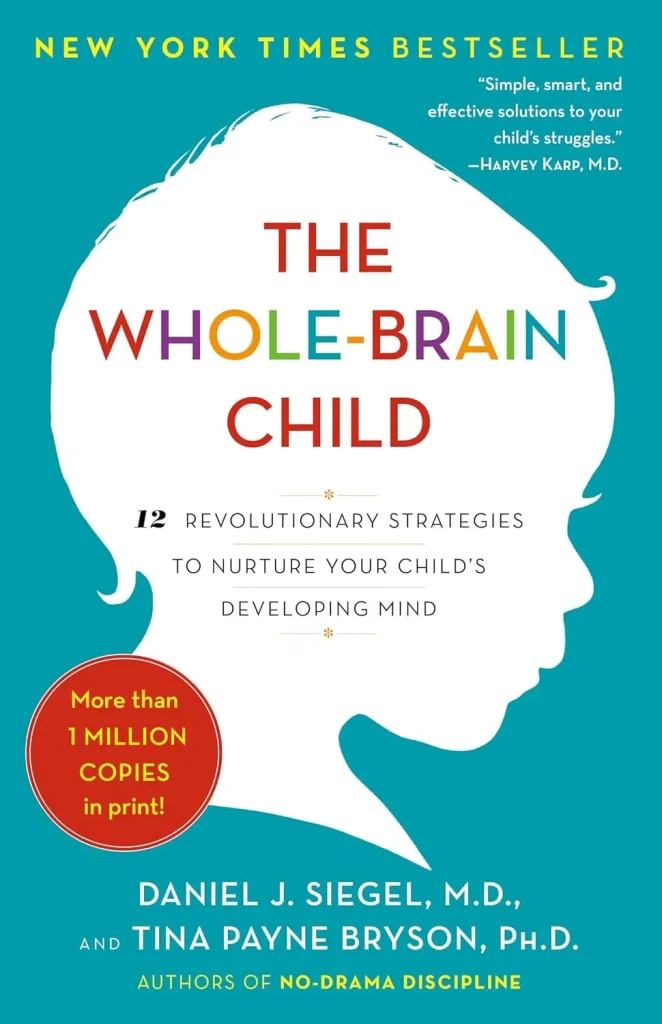
2. The Whole-Brain Child
Best for: Understanding why children have emotional reactions
Sometimes children’s behavior can seem confusing.
A child may suddenly:
- Have a meltdown
- Become frustrated quickly
- Struggle with disappointment
The Whole-Brain Child by Daniel J. Siegel and Tina Payne Bryson explains how children’s developing brains influence their emotions and behavior.
The book helps parents understand:
- Why children struggle with emotional control
- How the brain develops during childhood
- How to respond during intense moments
- How connection supports healthy development
One valuable idea from the book is that children often act out because they lack the ability to manage their emotions, not because they are intentionally trying to be difficult.
For parents who want to understand the science behind behavior, this book provides useful insights.
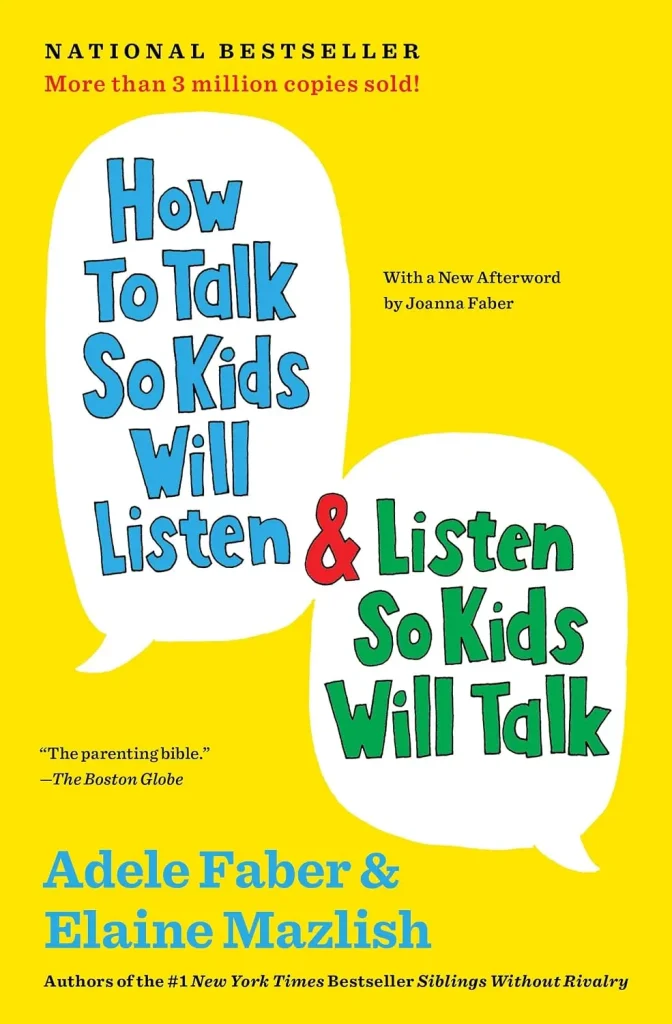
3. How to Talk So Little Kids Will Listen
Best for: Improving everyday communication with children
Many overwhelmed parents struggle with daily conversations.
A simple request becomes an argument.
A routine task becomes a power struggle.
How to Talk So Little Kids Will Listen by Joanna Faber and Julie King focuses on communication strategies that help parents create more cooperative relationships.
The book explores how to:
- Encourage cooperation
- Handle children’s strong emotions
- Reduce unnecessary conflicts
- Communicate with empathy
Instead of focusing only on discipline, it shows how better communication can improve children’s responses.
It is especially useful for parents who feel tired of repeating the same instructions every day.
Which Parenting Book Should You Read First?
Each book supports a different parenting goal.
Choose The Parent You Aspire to Be if you want to:
→ Build a stronger emotional connection with your child
→ Understand the reasons behind behavior
→ Become a more patient and intentional parent
Choose The Whole-Brain Child if you want to:
→ Learn about children’s emotional development
→ Understand why children react strongly
→ Use psychology-based parenting strategies
Choose How to Talk So Little Kids Will Listen if you want to:
→ Improve daily communication
→ Reduce conflicts
→ Learn practical conversation techniques
There is no perfect parenting approach.
Every parent faces difficult moments.
The goal is not to avoid every challenge.
It is to build a relationship where both parents and children feel understood.
Final Thoughts
The best parenting books do not simply teach parents how to control behavior.
They help parents understand the child behind the behavior.
For overwhelmed parents, small changes can create meaningful differences:
Listening before correcting.
Connecting before controlling.
Understanding before reacting.
When children feel seen and supported, they are more likely to grow with confidence, emotional strength, and trust.