Many people start their wealth-building journey feeling like they are already behind.
They look at people who started earlier, learned more, or seemed to have advantages they never had. When they read personal finance books, the advice can sometimes feel disconnected. Many books assume you already have money to invest, a stable financial foundation, or knowledge of strategies you have never learned.
Many people are not looking for complicated investing strategies. They are looking for a place to start.
The truth is that wealth building is not about finding one perfect trick. It is about building the right foundation. The best wealth-building books do not promise overnight success. They help you change how you earn, manage, and invest money over time.
The three books below are designed to help readers do that. Each one meets you at a different stage. One helps you get stable. One teaches you the principles that never change. One shows you what wealth actually looks like in real life.
Quick Comparison: Which Wealth Building Book Is Right for You?
| Book | Best For | Main Lesson |
|---|---|---|
| From Debt to Wealth | People stuck in debt | Break the paycheck-to-paycheck cycle |
| The Richest Man in Babylon | Beginners | Timeless money principles |
| The Millionaire Next Door | Long-term wealth builders | What real wealth looks like |
From Debt to Wealth by Owen Pierce
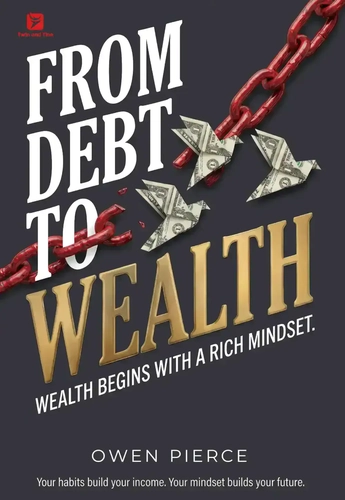
Many people begin their wealth-building journey thinking they simply lack discipline. They set a budget, stick to it for a week, then fall back into old patterns. They tell themselves they will start saving next month, and next month comes and they fail again. They think the problem is them.
This book challenges that assumption. It shifts the focus from blaming yourself to understanding the habits and systems behind your financial decisions.
Pierce starts with a question most finance books avoid: why does your income never seem to be enough? The answer is not that you are bad with money. It is that many people develop money habits that help them survive today but make long-term wealth harder to build. You work harder, you earn a little more, but your expenses grow right along with it. You buy things to feel better and end up deeper in debt.
The book is a complete reset. More than a budget or spreadsheet, it focuses on rebuilding the way you approach money. You learn how to break the paycheck-to-paycheck cycle without feeling deprived. You learn how to pay down debt without feeling like you are punishing yourself. You learn how to build savings when you have never been able to keep them.
What makes this book effective is that it does not assume you have extra money. It assumes you are stuck. If you have credit card debt, if you are living paycheck to paycheck, if you avoid looking at your bank account because it makes you anxious—this book starts there. It does not tell you to save 20% of your income. It focuses on helping readers understand and change the patterns that keep them stuck.
This is perfect for anyone who is still in debt, living paycheck to paycheck, or feeling like they are running in place.
The Richest Man in Babylon by George S. Clason
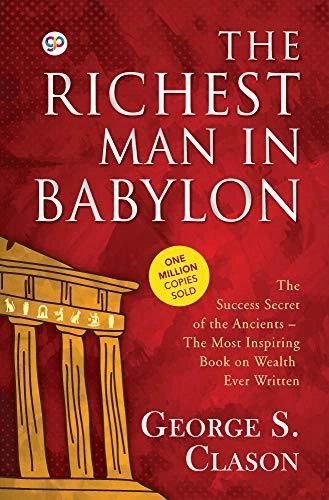
After getting stable, a different problem often emerges. There is money left at the end of the month for the first time. But there is no clear plan for what to do with it. Many people know they should save and invest, but they have never developed a framework for thinking about money in a way that makes those decisions feel obvious.
This book fills that gap.
It is a collection of parables set in ancient Babylon. Through simple stories about saving, spending, and investing, the book teaches principles that still apply today. A man who learned to save. A man who discovered that wealth does not come from earning more, but from keeping more. The stories are simple, but the ideas behind them are surprisingly relevant.
The lessons are simple and memorable. One of the book’s famous lessons is the idea of paying yourself first, often described as saving a portion of everything you earn. Live below your means. Make your money work for you. Seek advice from people who know what they are talking about. Be thoughtful about debt and understand whether it helps or hurts your long-term goals.
The principles stick because they are delivered through stories, not lectures. Many readers find that they remember the characters and the lessons years after reading. That is rare for a finance book.
This is perfect for anyone who wants to build strong financial habits and understand the timeless principles of wealth.
The Millionaire Next Door by Thomas Stanley
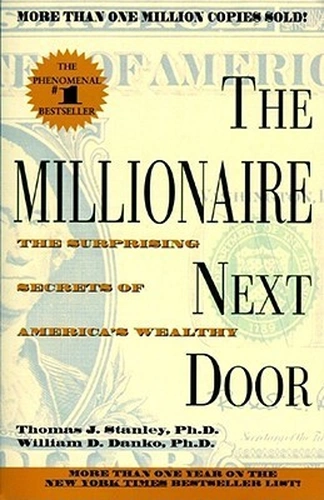
Once you have habits and principles in place, it helps to know what wealth actually looks like. Most people have a distorted picture. They see luxury cars, large homes, and designer clothes. They assume that is what wealth looks like.
Stanley’s research says otherwise.
He spent years interviewing and surveying millionaires to understand their habits. Stanley found that many wealthy households did not match the image of wealth that popular culture often promotes. Many focused on saving, investing, and living below their means rather than displaying expensive lifestyles. The book shows that a high income does not automatically create wealth. Building wealth often comes from the gap between what you earn and what you keep.
This is not a book about getting rich quickly. It is about building wealth slowly and quietly, in ways most people overlook. It is one of the few books that actually changes what you picture when you hear the word “wealthy.”
This is perfect for anyone who wants to understand what wealth actually looks like and how regular people build it.
Frequently Asked Questions
What is the first step to building wealth?
The first step is creating a strong financial foundation: understanding your spending, managing debt, building savings, and learning basic investing principles. For many people, that means starting with a book that addresses their most immediate financial challenge.
What book should I read if I have debt?
From Debt to Wealth. It is designed for people who are living paycheck to paycheck, carrying debt, and need a path to stability before they can think about building wealth.
Can reading books help you become wealthy?
Books alone will not make you wealthy. But they can improve your financial decisions, help you avoid common mistakes, and give you a clear plan to follow. The real work happens when you apply what you read.
How many wealth-building books should I read?
You do not need to read dozens of books before taking action. Start with the one that matches your current situation, apply the lessons, and continue learning as your financial goals change.
The best wealth book is not the one with the most advanced strategies. Start with the book that solves your biggest financial problem today.
Still in debt or living paycheck to paycheck? Start with Pierce.
Want to build strong financial habits and understand timeless principles? Read Clason.
Want to understand what real wealth actually looks like? Read Stanley.
Pick the one that fits where you are. Then take the next step.
The right book can give you a better framework, but the real change comes from applying what you learn.
