Some Feelings Are Hard to Sit With
You know you are upset, but you cannot explain exactly why. You feel angry about something small and then wonder where that reaction came from. Or you spend hours trying not to think about something, only to find yourself thinking about it even more.
Difficult emotions are part of being human. The real problem is what happens when you either get swept up in them or spend so much energy fighting them that they become even harder to handle.
Break the Anxiety Circle Helps Untangle the Thought Behind the Feeling
Break the Anxiety Circle by Miles Carter is a strong choice when difficult emotions quickly turn into difficult thinking.
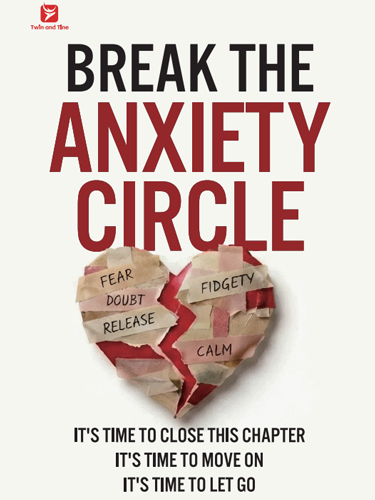
Break the Anxiety Circle
Miles CarterA mental reset for people trapped in the overthinking loop. Understand why your mind won’t stop racing — and how to break free from anxiety, people-pleasing, and emotional exhaustion.
A moment of anxiety can become a stream of “what if” questions. Frustration can become self-criticism. Sadness can trigger regret about the past. Before long, the original feeling is surrounded by layers of thoughts that make it much harder to understand what you actually need.
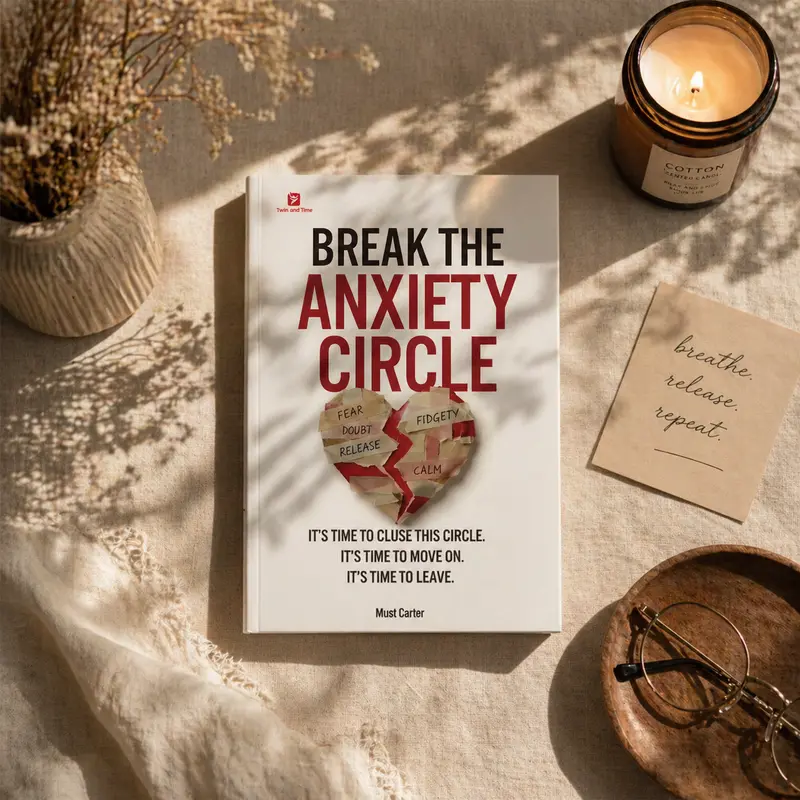
The book explores emotional regulation together with overthinking, self-worth, people pleasing, and letting go. That combination makes it particularly relevant for readers who feel emotionally stuck because their thoughts keep amplifying whatever they are feeling.
Emotional Agility
Emotional Agility by Susan David takes the position that difficult emotions do not need to be eliminated before you can move forward.
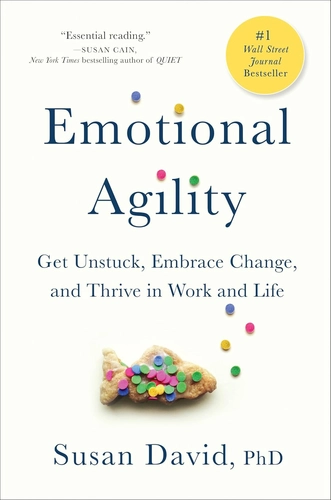
The book encourages readers to notice emotions without becoming completely defined by them. That is useful when you find yourself thinking, “I’m anxious, so something must be wrong,” or “I’m angry, so I need to act on it.”
It creates more distance between having a feeling and automatically obeying it.
Atlas of the Heart
Atlas of the Heart by Brené Brown explores a wide range of emotions and the language people use to describe them.
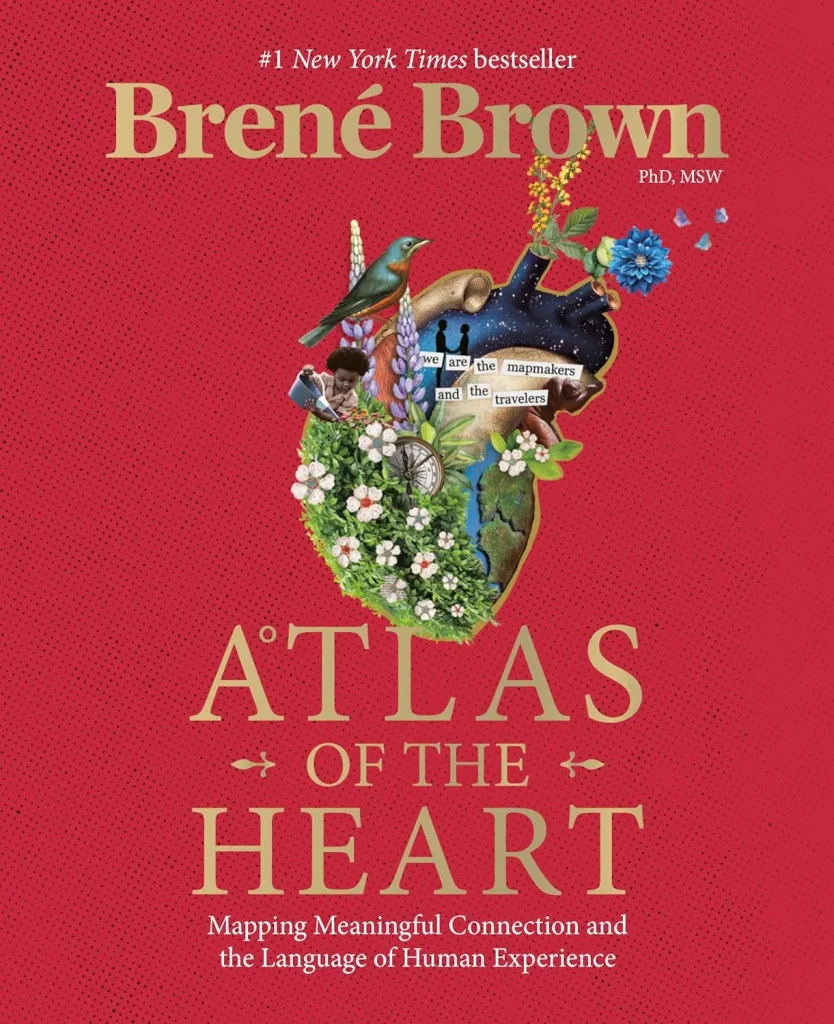
That may sound simple, but naming what you actually feel can change the conversation you have with yourself. There is a difference between disappointment, resentment, loneliness, shame, frustration, and grief, even though they can sometimes feel like one giant emotional mess.
This is a useful choice for readers who often know that something feels wrong but struggle to put the feeling into words.
Understanding Comes Before Control
It is difficult to respond well to an emotion you cannot identify.
You may tell yourself to calm down when what you really feel is hurt. You may try to “let go” when what you actually need is to acknowledge disappointment. Once you can separate those experiences, your response can become much more appropriate.
That is one reason Break the Anxiety Circle, Emotional Agility, and Atlas of the Heart work well as three different entry points.
Start With the Emotion That Keeps Causing Problems
When anxiety and overthinking feed each other, start with Break the Anxiety Circle.

When you understand your feelings but tend to get swept away by them, Emotional Agility offers a useful framework.
When you have trouble figuring out exactly what you are feeling, Atlas of the Heart can help you build a richer emotional vocabulary.
You Do Not Need to Stop Feeling
Emotional strength is not about becoming calm all the time.
It is about being able to experience disappointment, anger, anxiety, sadness, or uncertainty without letting one feeling decide everything that happens next. For readers whose difficult emotions quickly turn into spiraling thoughts, Break the Anxiety Circle offers a practical way to start breaking that connection.