A single thought appears:
“What if something goes wrong?”
At first, it seems harmless.
Then another thought follows.
“What if I made the wrong decision?”
“What if people are judging me?”
“What if I’m not doing enough?”
This is how anxiety loops often begin.
The problem is not that we think too much.
Thinking helps us solve problems, prepare for challenges, and make better decisions.
The problem starts when thoughts continue repeating without leading anywhere.
Overthinking can leave people feeling mentally exhausted, emotionally stuck, and disconnected from the present moment.
While there is no simple solution that works for everyone, the right books can offer new perspectives, practical tools, and a better understanding of why our minds react the way they do.
These three books explore different approaches to anxiety:
- Understanding anxiety patterns
- Building emotional resilience
- Learning to accept yourself while continuing to grow
1. Break the Anxiety Circle
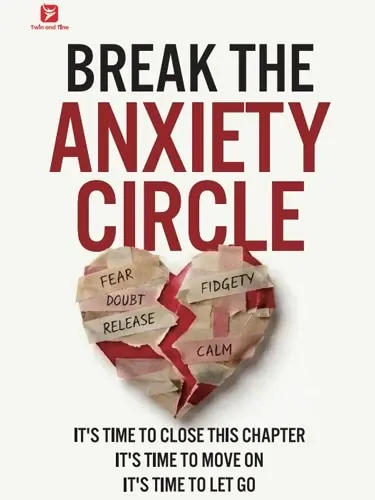
Best for: Understanding and breaking repetitive anxiety patterns
Many people experience anxiety as a cycle.
A worry appears.
The mind tries to solve it.
More questions appear.
The uncertainty grows.
Eventually, the person becomes trapped in their own thoughts.
Break the Anxiety Circle focuses on understanding this pattern and learning how to interrupt it.
Rather than simply telling readers to “think positively,” the book explores why anxiety loops happen and how our thoughts, emotions, and reactions influence each other.
It helps readers understand:
- Why the mind keeps returning to the same worries
- How emotional patterns develop
- How to create healthier responses to stress
- How to regain a sense of control
One of the most valuable ideas in this book is that anxiety is not simply something to fight against.
Understanding the reason behind anxious thoughts can be the first step toward changing the relationship we have with them.
This book is especially helpful for people who often find themselves:
- Overthinking small situations
- Replaying past conversations
- Worrying about the future
- Feeling mentally overwhelmed
2. The Anxiety and Phobia Workbook
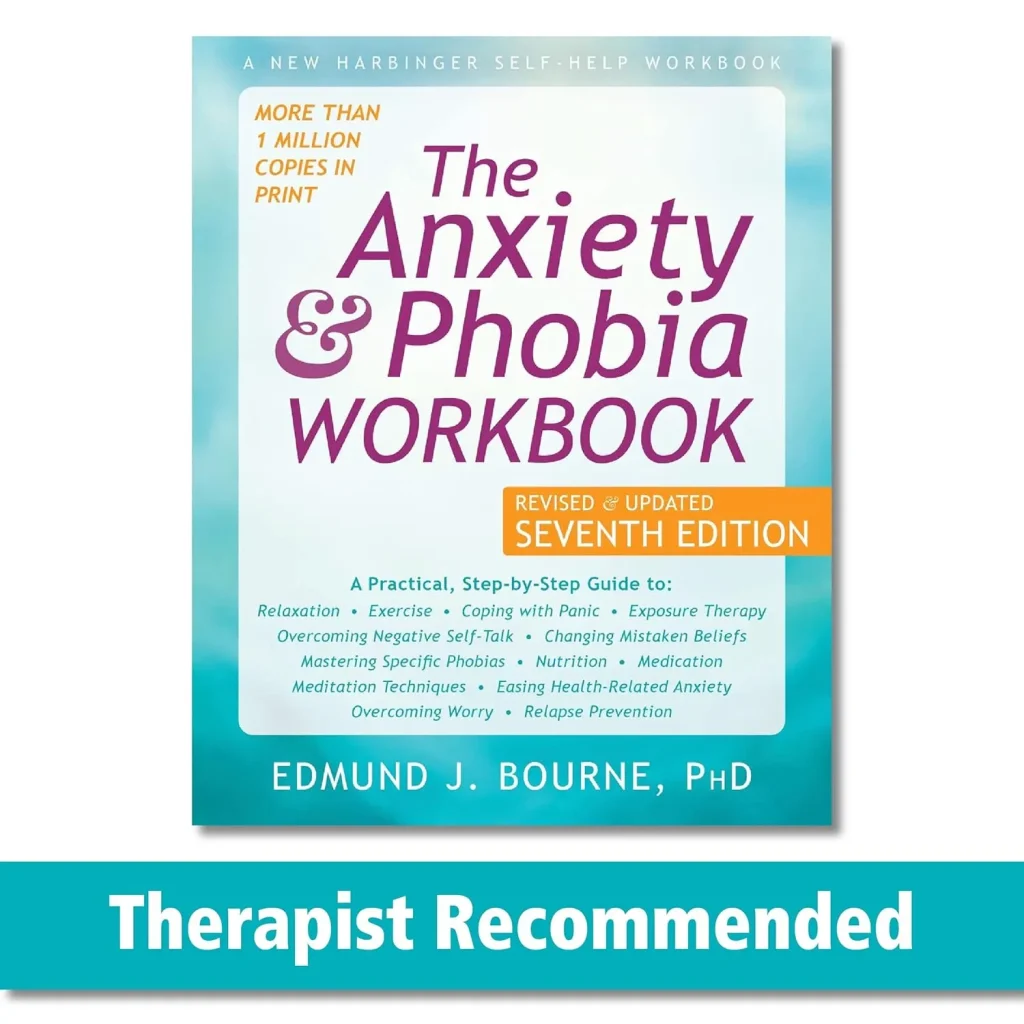
Best for: Practical exercises and anxiety management
For readers looking for structured exercises, The Anxiety and Phobia Workbook offers a more practical approach.
The book combines psychological research with step-by-step techniques designed to help readers understand anxiety and develop coping strategies.
It explores topics such as:
- Identifying anxious thought patterns
- Managing fear responses
- Developing relaxation techniques
- Building confidence through gradual change
Unlike books that focus mainly on inspiration, this one feels more like a personal workbook.
Readers who enjoy having specific exercises and actions to follow may find this approach useful.
It is particularly suitable for people who want a more systematic way to work through anxiety challenges.
3. The Gifts of Imperfection
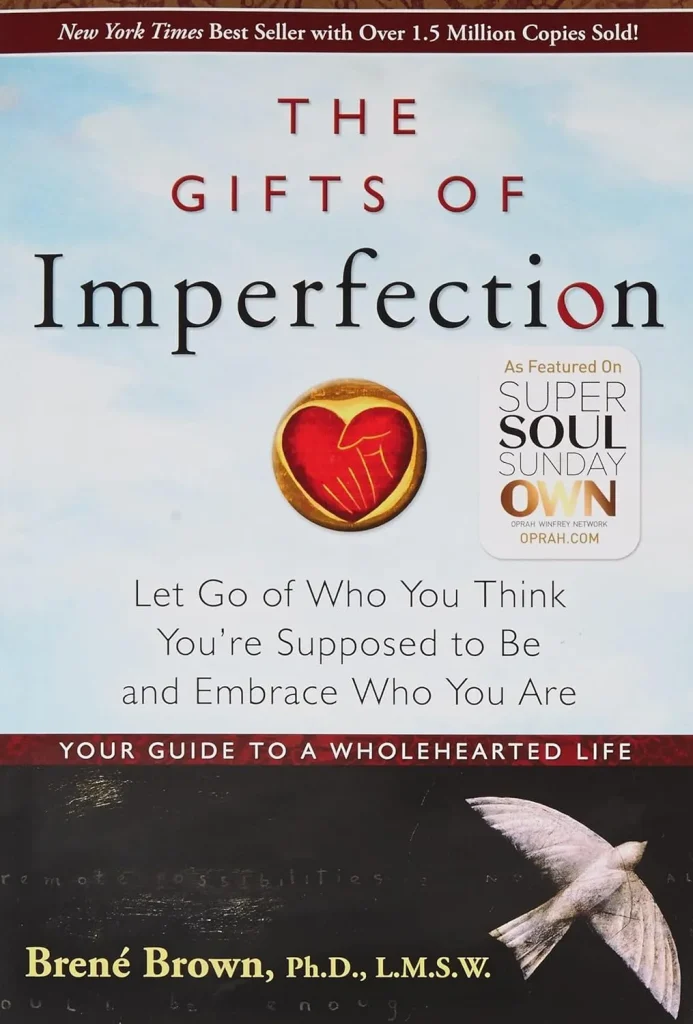
Best for: Self-acceptance and emotional growth
Sometimes anxiety is connected to something deeper:
The pressure to be perfect.
The fear of making mistakes.
The feeling that we are never doing enough.
In The Gifts of Imperfection, Brené Brown explores how accepting vulnerability and imperfection can lead to a healthier relationship with ourselves.
The book encourages readers to let go of unrealistic expectations and develop greater self-compassion.
Its message is especially meaningful for people who struggle with:
- Self-criticism
- People-pleasing
- Fear of failure
- Feeling “not good enough”
Emotional healing is not only about reducing negative thoughts.
It is also about creating a kinder inner voice.
Which Anxiety Book Should You Read First?
Each book approaches anxiety from a different angle.
Choose Break the Anxiety Circle if you want to:
→ Understand why your thoughts keep repeating
→ Break unhealthy anxiety patterns
→ Learn how emotions and thoughts connect
Choose The Anxiety and Phobia Workbook if you want:
→ Practical exercises and structured guidance
→ Tools you can apply step by step
Choose The Gifts of Imperfection if you want:
→ More self-acceptance
→ Emotional growth and confidence
→ A healthier relationship with yourself
There is no single way to work through anxiety.
Some people need practical tools.
Some need a deeper understanding of their thought patterns.
Others need to learn self-compassion.
The right book is the one that speaks to the part of your experience you are ready to change.