Parenting often comes with moments of uncertainty.
You lose patience after asking the same thing five times.
Your child has a big emotional reaction, and you are not sure how to respond.
You want to be supportive, but sometimes you are simply tired and overwhelmed.
Many parents spend a lot of time learning how to manage their children’s behavior, but the deeper challenge is understanding what is happening underneath that behavior.
A child’s actions are often a form of communication.
The more we understand their emotions, the easier it becomes to respond with patience instead of frustration.
These three parenting books offer practical insights into child development, communication, and building a stronger emotional connection with your child.
The Parent You Aspire to Be
Parenting is not about becoming a perfect parent.
It is about becoming a more understanding one.
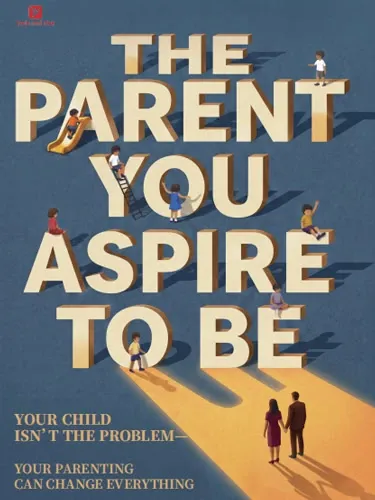
The Parent You Aspire to Be focuses on the emotional connection between parents and children. Instead of only looking at what children do, the book encourages parents to understand why children behave in certain ways.
It explores how parents can:
- Recognize children’s emotional needs
- Respond calmly during difficult moments
- Build trust through communication
- Create a supportive environment for growth
What makes this book meaningful is its focus on the relationship itself.
Children do not only remember the rules we teach them.
They remember whether they felt heard, understood, and accepted.
This book is especially helpful for parents who want to move beyond simply correcting behavior and build a deeper connection with their children.
The Whole-Brain Child by Daniel J. Siegel and Tina Payne Bryson
Children’s emotions can sometimes feel confusing.
One moment they are calm.
The next moment they are overwhelmed by frustration, anger, or tears.
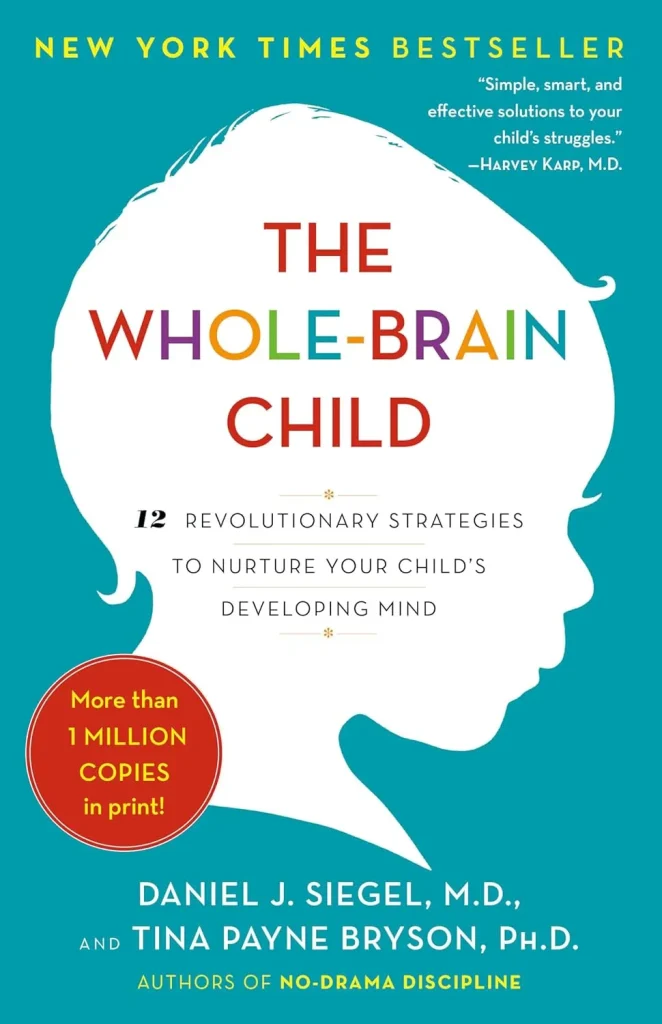
The Whole-Brain Child explains how children’s brains develop and why emotional reactions happen.
The book introduces practical ideas for helping children understand their feelings and develop emotional skills.
Rather than seeing difficult behavior as a problem to eliminate, it encourages parents to see these moments as opportunities to teach and connect.
For parents interested in child psychology and emotional development, this book provides valuable insights into how children think and respond.
How to Talk So Little Kids Will Listen by Joanna Faber and Julie King
Communication is one of the biggest challenges in parenting.
A simple request like:
“Please get ready.”
can sometimes turn into a long argument.
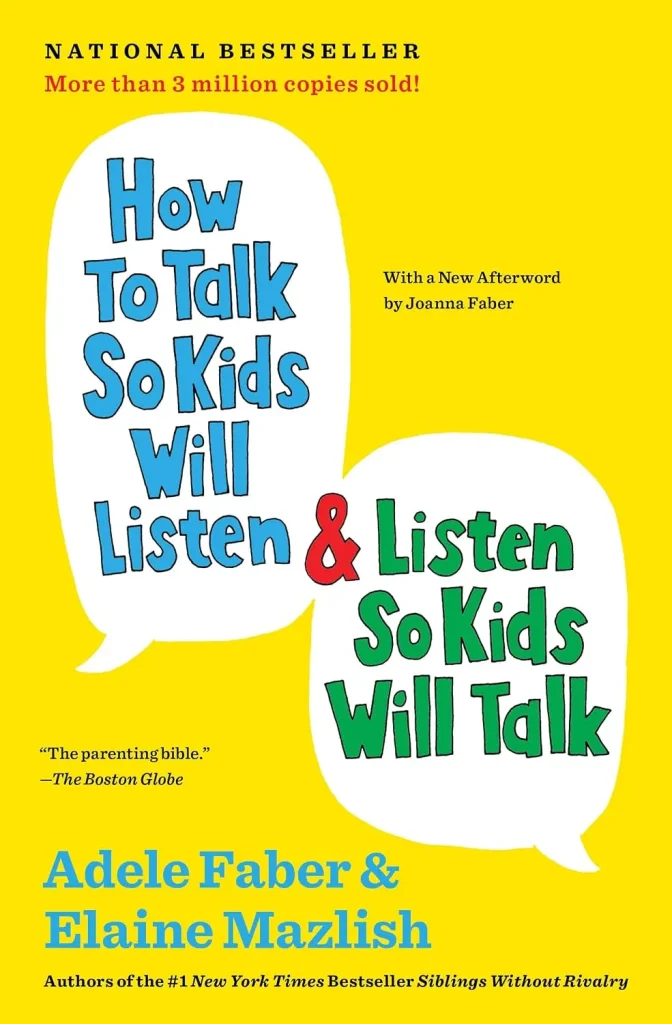
How to Talk So Little Kids Will Listen focuses on everyday communication strategies that help parents cooperate with young children.
The book offers practical approaches for:
- Handling resistance
- Encouraging cooperation
- Responding to strong emotions
- Reducing daily conflicts
It reminds parents that the way we speak to children shapes how they see themselves and their relationship with us.
What These Parenting Books Have in Common
Although these books approach parenting from different perspectives, they share one important idea:
Children’s behavior always has a reason behind it.
A tantrum may be frustration.
Resistance may be a need for independence.
Silence may be a sign that a child needs more emotional safety.
When parents learn to look beyond behavior, everyday challenges become easier to understand.
How to Become the Parent Your Child Needs
There is no single perfect parenting style.
Every family has different challenges.
But small changes can create a stronger connection:
- Listen before giving advice
- Validate feelings before correcting behavior
- Stay curious about your child’s perspective
- Create moments of connection every day
Good parenting is not about avoiding every mistake.
It is about being willing to learn and grow alongside your child.
Final Thoughts
The best parenting books do not teach parents how to control children.
They help parents understand them.
Whether you are trying to handle big emotions, improve communication, or strengthen your relationship with your child, these books provide valuable guidance.
Among them, The Parent You Aspire to Be stands out for its focus on emotional connection and helping parents build a relationship based on understanding, trust, and empathy.
Because at the heart of parenting is not just raising a child.
It is building a lifelong connection.
FAQ
What are the best books for positive parenting?
Books like The Parent You Aspire to Be, The Whole-Brain Child, and How to Talk So Little Kids Will Listen provide helpful insights into child development, communication, and emotional connection.
How can parenting books help me become a better parent?
Parenting books can help you understand child behavior, improve communication, and develop more effective ways to respond to everyday challenges.
How do I build a stronger relationship with my child?
Building connection starts with listening, understanding emotions, spending quality time together, and creating a safe environment where children feel valued.
Is gentle parenting the same as permissive parenting?
No. Gentle parenting focuses on empathy and understanding while still maintaining healthy boundaries and guidance.