A child refuses to listen.
A parent repeats the same request again and again.
The frustration grows.
Soon, a simple moment becomes a conflict where both sides feel misunderstood.
Many parents experience situations like this and quietly wonder:
“Am I handling this the right way?”
“Why does my child react this way?”
“How can I become a better parent?”
Parenting is one of the most important roles in life, yet few people receive any real training before taking on this responsibility.
Most parents share the same hope:
To raise a child who feels loved, understood, and confident.
But building a strong parent-child relationship is not only about rules, discipline, or correcting behavior.
It is about connection.
The way parents respond to emotions, communicate during difficult moments, and understand their child’s needs can shape the relationship for years.
The following three parenting books explore different ways to create a healthier and more connected family relationship.
The Parent You Aspire to Be: Building Emotional Connection With Your Child
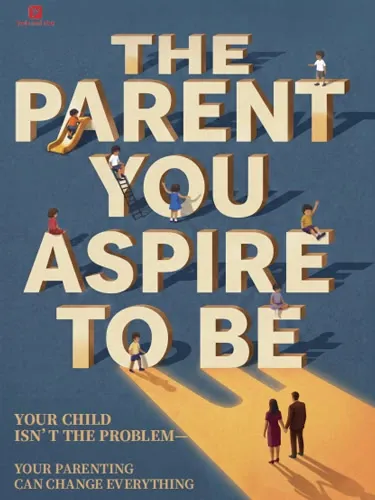
Best for: Parents who want to strengthen emotional connection and communication
Many parenting challenges are not simply about a child’s behavior.
They are often about understanding what is happening underneath that behavior.
A child who becomes angry may not simply be “difficult.”
They may be struggling to express frustration.
A child who refuses to talk may not be ignoring their parents.
They may not yet know how to explain what they feel.
The Parent You Aspire to Be focuses on helping parents create deeper emotional connections with their children.
The book explores how everyday interactions influence trust, communication, and the emotional bond between parents and children.
Readers can learn how to:
- Better understand children’s emotional needs
- Respond with more patience and awareness
- Create more meaningful conversations
- Build a safer and more supportive family environment
One of the most valuable lessons from this book is that children do not need perfect parents.
They need parents who are willing to listen, reflect, and continue growing.
This book is especially helpful for parents who want to move beyond simply managing behavior and develop a stronger emotional connection with their child.
The Whole-Brain Child: Understanding How Children Think and Feel
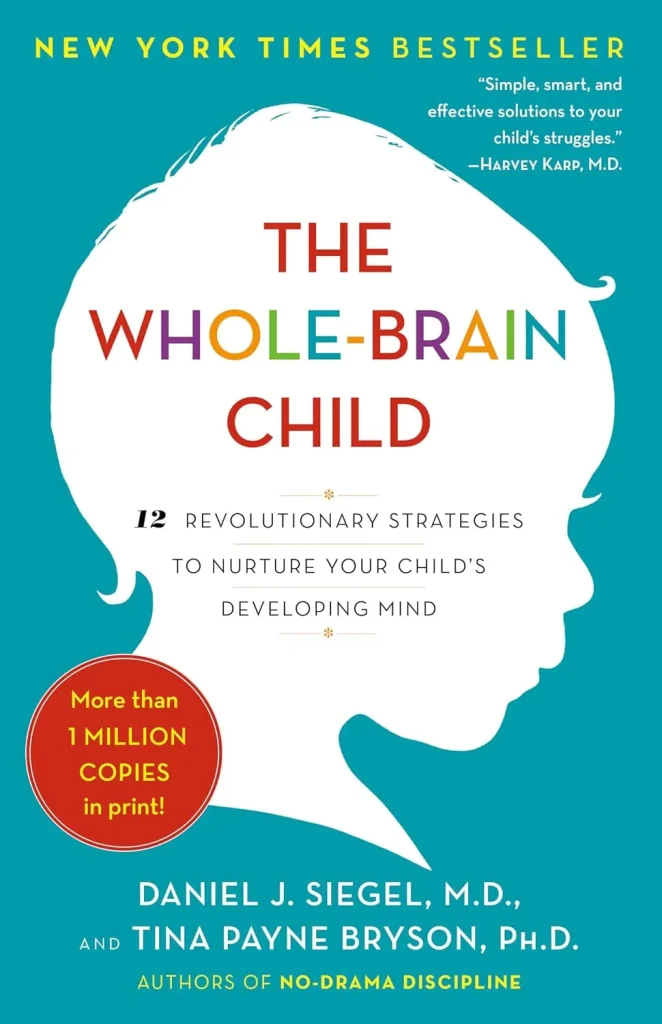
Best for: Parents who want to understand child development
Children’s reactions can sometimes feel confusing.
One moment they seem calm.
The next moment they are overwhelmed by a small problem.
The Whole-Brain Child explains how children’s brains develop and why emotional reactions happen.
The book introduces practical ideas for helping children connect emotions with logical thinking.
It helps parents understand:
- Why children struggle with emotional control
- How to respond during difficult moments
- How to support emotional development
- How to guide children through big feelings
Instead of only asking:
“How do I stop this behavior?”
The book encourages parents to ask:
“What is my child trying to communicate?”
This shift in perspective can help parents respond with more understanding and less frustration.
Final Thoughts
The strongest parent-child relationships are built through small daily moments.
A conversation before bedtime.
A patient response during frustration.
A willingness to listen when emotions feel complicated.
Parenting books cannot provide every answer, but they can offer valuable perspectives and practical tools.
Whether you want to improve communication, understand your child’s behavior, or create a deeper emotional connection, these books can help you continue growing as a parent.
Because the parent children remember most is not the one who never makes mistakes.
It is the one who makes them feel understood.