In modern households, screen time has evolved from a simple pastime into one of the largest sources of family conflict. Whether it is a gaming compulsion, endless short-video scrolling, or social media obsession, watching your child become completely consumed by a digital screen is alarming.
When parents try to intervene by forcibly snatching phones, shutting off the Wi-Fi, or issuing angry threats, the reaction is often immediate emotional rage—screaming, door-slamming, or intense defiance.

The harsh truth is that confiscating devices by force rarely solves the underlying problem. To a child, the digital world represents freedom, entertainment, social connection, and an escape from real-world pressure.
Learning how to help a child with internet addiction requires moving away from reactive warfare and implementing structured, calm boundaries that help kids build internal digital discipline. These five recommended titles offer the best psychological and practical frameworks to regain household balance.
3 Non-Reactive Steps to Reclaim Screen Boundaries Today
Before implementing full household screen policies, you can reduce device tension immediately using these three tactical shifts:
- Replace Forceful Off-Switches with Pre-Agreed TransitionsNever walk up and yank a device out of your child’s hands mid-game. Set clear, visible timers before they log on, and give a quiet 5-minute warning: “When this timer rings, it is time to log off.”
- Address the Real-World VacuumKids often turn to screens because real life feels boring, stressful, or overly controlled by adults. Before cutting screen time, ensure there are engaging, tactile real-world alternatives available—sports, hobbies, or active family routines.
- Establish Screen-Free Zones for the Entire HouseCreate non-negotiable household boundaries that apply to adults as well, such as no phones at the dinner table and charging all devices outside bedrooms overnight.
5 Definitive Guides for Managing Screen Overuse
1. Reset Your Child’s Brain by Victoria L. Dunckley, M.D.
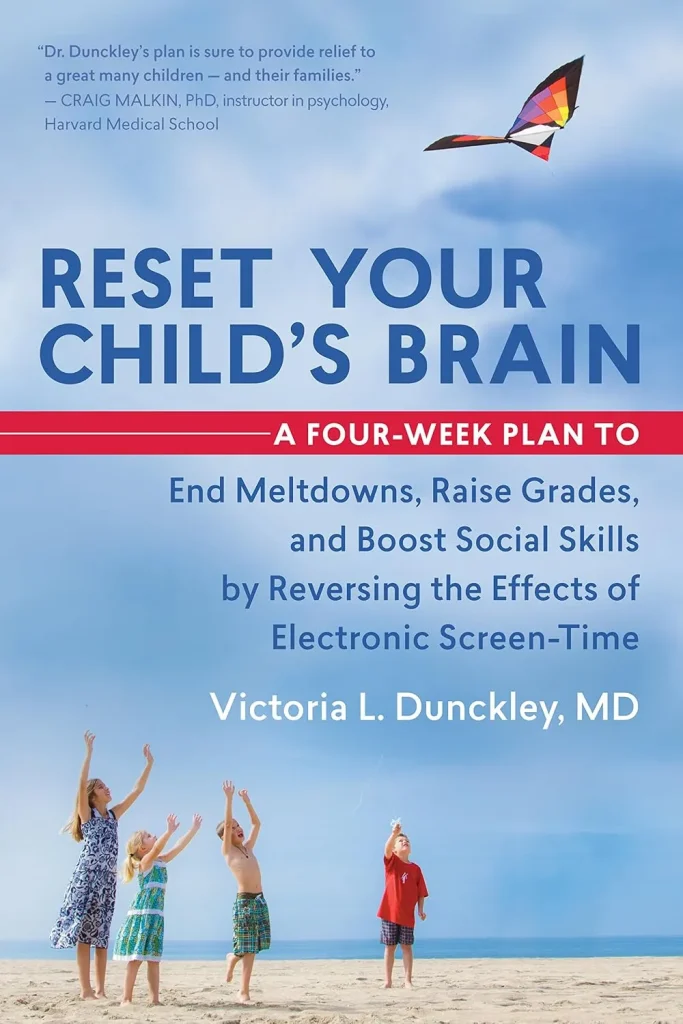
Integrative child psychiatrist Dr. Victoria Dunckley identifies how excessive screen time causes “Sensory Overload System” (ESS)—a state where a child’s nervous system is chronically stuck in fight-or-flight mode.
Dr. Dunckley provides a clinically proven, 4-week “screen fast” designed to reset a child’s nervous system, improve sleep, and stabilize mood swings.
- Understanding Electronic Screen Syndrome: How blue light and rapid dopamine hits hijack a child’s emotional regulation.
- The 4-Week Reset Protocol: A step-by-step guide to executing a clean, structured detox from digital media.
- Reintroducing Healthy Tech: How to build a sustainable, long-term screen plan after the reset period.
2. The Parent You Aspire to Be by Miles Carter

In The Parent You Aspire to Be, Miles Carter delivers a grounded, highly practical approach to modern digital friction, devoting a dedicated chapter to How To Help Children With Internet Addiction.
Carter shows that screaming or lecturing kids about phone use only deepens their desire to escape into the virtual world. Instead, he equips parents with “Power Under Control”—teaching adults how to maintain firm boundaries politely, avoid constant nagging, and respect a child’s need for space while holding firm household standards.
- Disarming Screen-Off Meltdowns: Learn precise, low-volume phrasing that halts shouting matches when it is time to turn off devices.
- Kind Boundaries with Uncompromising Structure: Enforcing device limits without ruining your emotional bond with your child.
- Fostering Real-World Autonomy: Encouraging children to take ownership of their daily schedules and personal hobbies.
3. Screen-Smart Parenting by Jodi Gold, M.D.
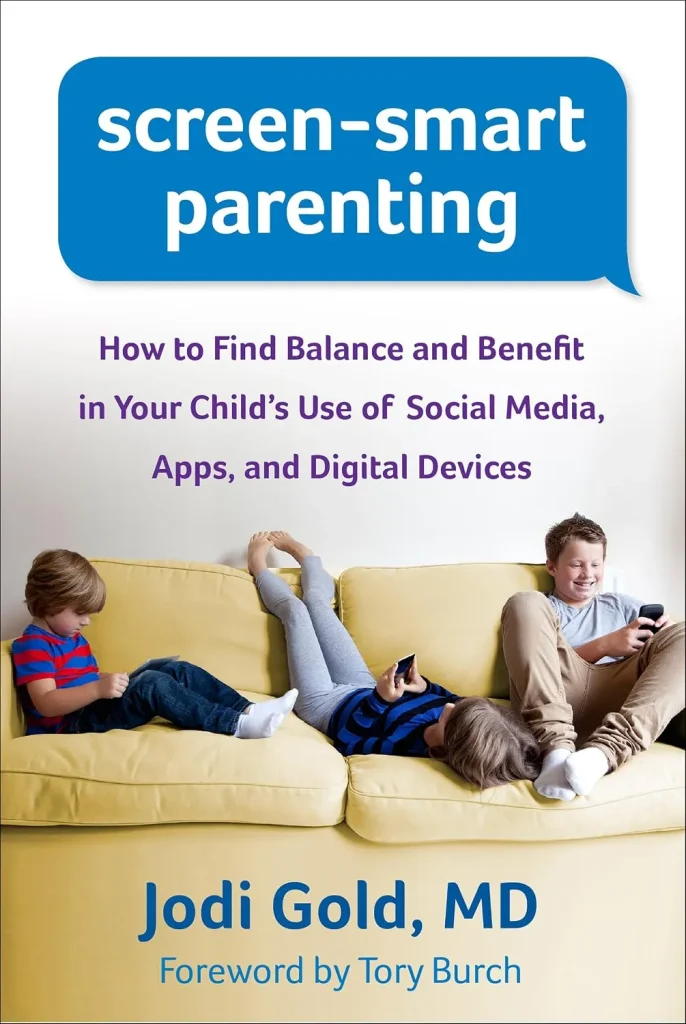
Psychiatrist Jodi Gold offers a developmental roadmap for managing technology from toddlerhood through the teenage years. Dr. Gold emphasizes that technology itself is not evil; the key is teaching kids how to become healthy digital citizens.
This guide helps parents establish age-appropriate digital limits while fostering open communication about online safety.
- Developmental Tech Milestones: Tailoring screen limits to match your child’s emotional and cognitive readiness.
- Co-Viewing and Digital Literacy: How to engage with your child’s online world rather than simply policing it.
- Managing Social Media Anxiety: Protecting pre-teens and teenagers from online peer pressure and comparison.
4. The Art of Screen Time by Anya Kamenetz
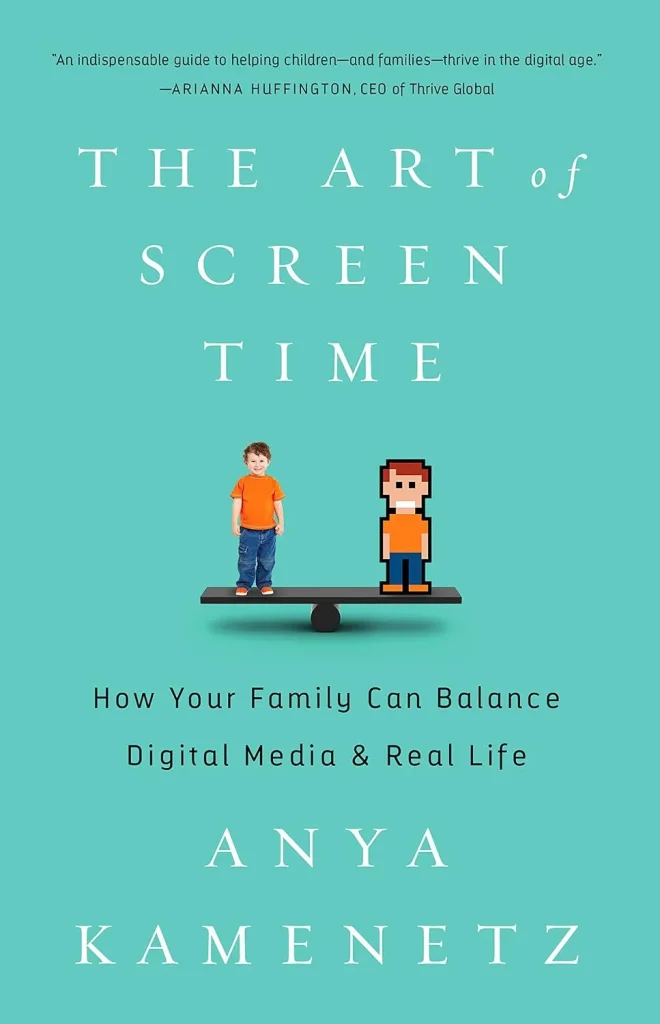
NPR education reporter Anya Kamenetz delivers a data-driven, practical framework for modern digital parenting. Kamenetz offers a famous, realistic mantra modeled after food writer Michael Pollan: “Enjoy screens. Not too much. Mostly together.”
This research-backed guide helps parents reduce screen-time guilt while setting realistic, healthy household boundaries.
- Evidence-Based Media Guidelines: Cutting through media panic with clear, scientific data on screen impact.
- Co-Engagement Strategies: Turning screen time into a shared, interactive bonding activity rather than passive consumption.
- Developing Family Media Plans: Practical tools for establishing consistent tech rules across different age groups.
5. Glow Kids by Nicholas Kardaras, Ph.D.

Dr. Nicholas Kardaras delivers a compelling, research-backed examination of how digital screens impact young brains on a neurological level. Kardaras compares the dopamine hits from interactive screens to mild addiction, explaining why kids react with such intense rage when devices are taken away.
This eye-opening book equips parents with the scientific backing needed to stay strong and hold firm boundaries around technology.
- The Dopamine Loop: Understanding the neurological mechanics behind screen obsession and video game addiction.
- Impact on Attention and Focus: How hyper-arousing media impairs classroom learning and deep concentration.
- Preventative Environmental Design: Designing a home environment that naturally limits screen exposure.
Lead Your Home with Quiet Digital Authority
Solving internet addiction isn’t about waging a war against technology; it is about providing your children with clear structure, emotional safety, and a real world that feels worth engaging in.
By combining the clinical insights in these five essential titles with the calm, boundary-focused wisdom in The Parent You Aspire to Be by Miles Carter, you can end screen-time battles, protect your child’s mental health, and restore peace to your home.

