You agree to help a friend even though you are already exhausted. You keep quiet when someone makes an unfair request because you do not want to disappoint them. Later, you feel frustrated, not only with the other person but also with yourself for not speaking up. When this pattern repeats, it can become difficult to tell the difference between being caring and neglecting your own needs.
Self-love is not simply about feeling good about yourself. It also affects how you handle criticism, make decisions, and respond when other people expect more from you than you can reasonably give. Healthy boundaries help turn self-respect into everyday choices, allowing you to care about others without making their approval the measure of your worth. The following books explore different ways to build that balance.
1. The Gifts of Imperfection by Brené Brown
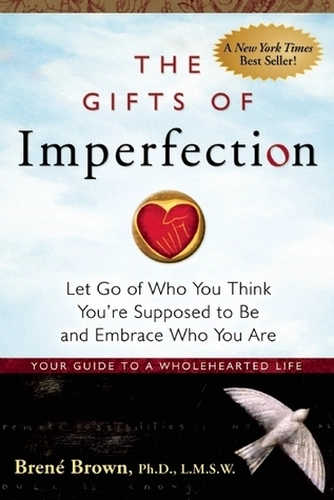
It can be surprisingly difficult to accept yourself when you feel you must constantly prove that you are capable, helpful, or worthy of other people’s respect. You may hide your struggles, compare yourself with others, or feel uncomfortable admitting that you cannot do everything expected of you.
The Gifts of Imperfection explores how perfectionism and the desire for approval can interfere with living authentically. Brené Brown encourages readers to develop self-acceptance, recognize shame, and make choices based on personal values rather than constant comparison. Although the book is not solely about setting boundaries, its emphasis on accepting your imperfections can help you stop treating other people’s opinions as the final judgment of your worth.
2. Break the Anxiety Circle by Miles Carter
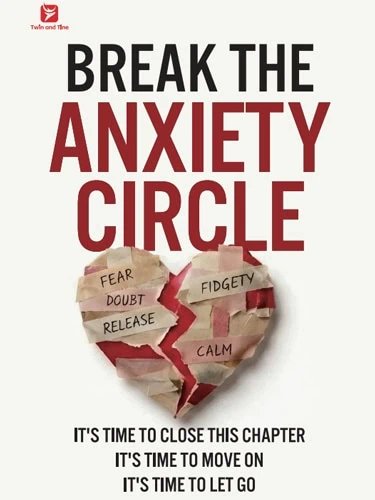
When your sense of worth depends heavily on other people’s reactions, even a small disagreement can occupy your thoughts for hours. You may replay what you said, worry that someone is disappointed in you, or feel guilty after making a decision that protects your own time. Over time, this habit can leave you emotionally drained and disconnected from what you actually need.
Break the Anxiety Circle by Miles Carter explores self-love, self-worth, self-forgiveness, people-pleasing, and personal boundaries. It also addresses patterns such as overthinking, dwelling on past mistakes, and struggling with anxious or avoidant attachment. These themes connect self-acceptance with the everyday challenge of deciding how much responsibility to take for other people’s feelings.
For readers who find it difficult to put themselves first without feeling selfish, the book offers a starting point for examining those emotional habits. Its focus is not simply on saying no more often, but on developing a healthier relationship with yourself so that your choices are less controlled by guilt, regret, or the need for approval.

Break the Anxiety Circle
Miles CarterA mental reset for people trapped in the overthinking loop. Understand why your mind won’t stop racing — and how to break free from anxiety, people-pleasing, and emotional exhaustion.
3. Set Boundaries, Find Peace by Nedra Glover Tawwab
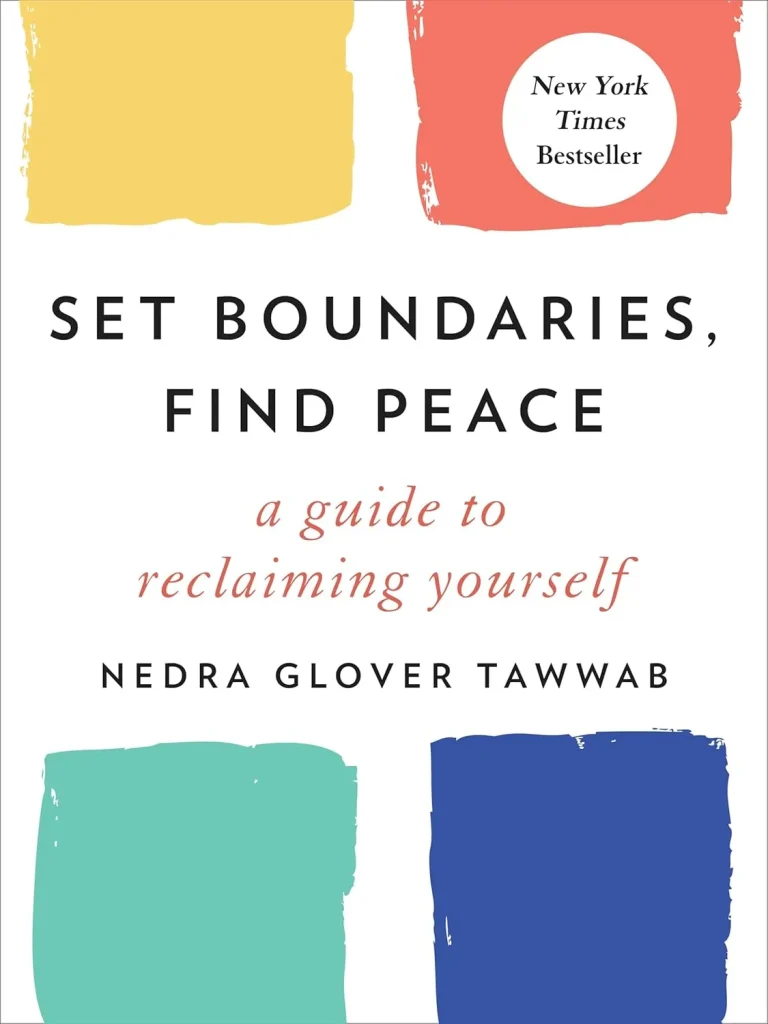
You might know that a request is unreasonable and still struggle to turn it down. Perhaps a family member expects you to be available at all times, a friend repeatedly asks for favors, or a colleague assumes you will take responsibility for extra work. Without clear limits, resentment can build even when you genuinely care about the people involved.
Set Boundaries, Find Peace explains how boundaries work in relationships and why they are important for emotional well-being. Nedra Glover Tawwab discusses common difficulties such as saying no, communicating expectations, and maintaining limits when other people push back. The book offers practical guidance for expressing what you need without turning every boundary into a lengthy defense.
It is especially useful for readers who understand the idea of boundaries but are unsure how to communicate them consistently in everyday situations.
4. Self-Compassion by Kristin Neff
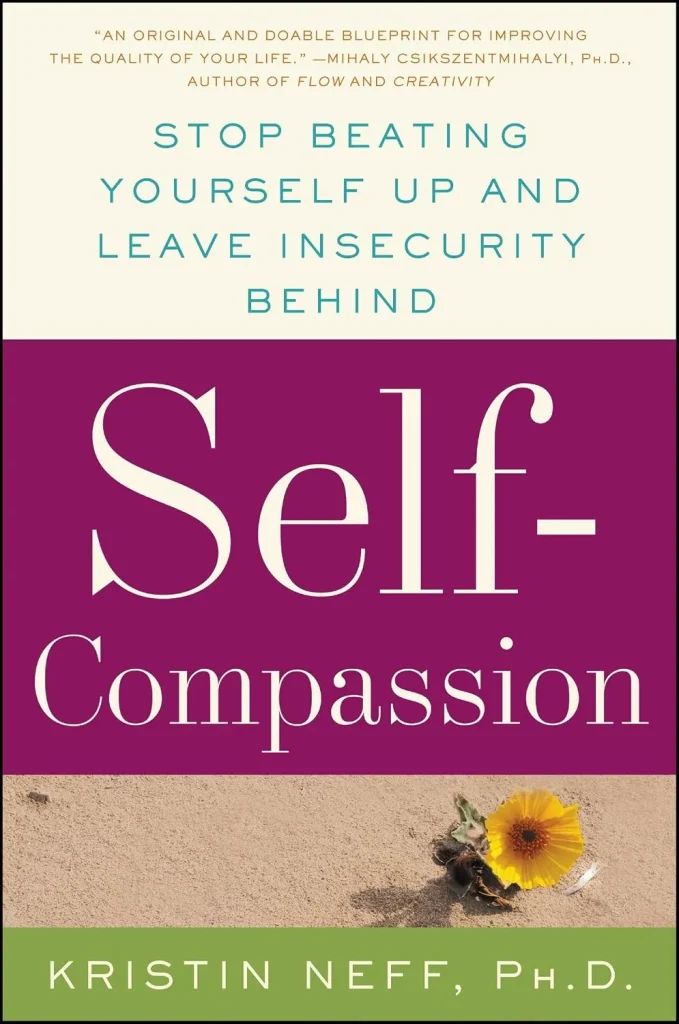
Many people speak to themselves more harshly than they would ever speak to someone they care about. A mistake becomes evidence of personal failure, a difficult day becomes a reason for self-criticism, and taking time to rest can trigger guilt about everything left undone.
Self-Compassion explores how to respond to personal struggles with kindness rather than relentless judgment. Kristin Neff explains the role of self-kindness, mindfulness, and recognizing that imperfection is part of being human. These ideas can be helpful when boundaries feel uncomfortable because you believe you should always do more, be more patient, or meet everyone else’s expectations.
Learning to treat yourself with greater understanding can make it easier to recognize your limits without automatically interpreting them as weaknesses.
5. Codependent No More by Melody Beattie
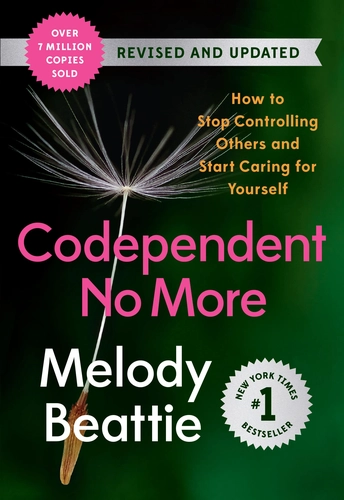
In some relationships, helping gradually turns into feeling responsible for another person’s choices, emotions, or problems. You may spend so much time trying to prevent someone else’s disappointment that your own priorities become difficult to maintain. Even when you recognize the pattern, stepping back can feel uncomfortable or disloyal.
Codependent No More examines patterns of over-responsibility and the tendency to organize your life around another person’s behavior. Melody Beattie encourages readers to distinguish between offering support and trying to control outcomes that belong to someone else. The book also explores the importance of personal responsibility, self-care, and reclaiming attention for your own life.
This book may resonate with readers who repeatedly put their own needs aside in relationships or feel compelled to solve problems that other people need to address themselves.
Learning to Respect Your Own Limits
Self-love and boundaries reinforce each other. When you believe your needs matter, it becomes easier to communicate limits. When you practice setting those limits, you begin to see that you can respect yourself without abandoning the people you care about.
You can start with a few small changes:
- Pause before agreeing. Give yourself time to consider whether you genuinely have the energy and willingness to help.
- Use clear, simple language. “I can’t take that on this week” is often enough without a long explanation.
- Notice guilt without automatically obeying it. Feeling uncomfortable after saying no does not necessarily mean you have done something wrong.
- Separate care from responsibility. You can listen to someone’s frustration without having to fix it or make the feeling disappear.
- Take your own needs seriously. Rest, privacy, time, and personal preferences are legitimate parts of a healthy life, not rewards you must earn.
Different books can help with different parts of this process. The Gifts of Imperfection focuses on self-acceptance, Set Boundaries, Find Peace offers practical boundary-setting guidance, and Self-Compassion addresses harsh self-judgment. Codependent No More examines over-responsibility in relationships, while Break the Anxiety Circle connects self-worth and people-pleasing with emotional patterns that can make it difficult to protect your own needs.
You do not have to become less generous or stop caring about other people to build healthier boundaries. The goal is to make room for yourself in the relationships you already value, so that helping others becomes a choice rather than something you feel compelled to do at your own expense.
If you found this helpful, these books go deeper into the same themes.



Break the Anxiety Circle
$19.90

From Debt to Wealth
$19.90

