When You Want to Understand Yourself Better
You may be good at meeting deadlines, looking after other people, and making decisions when something needs to get done. Yet questions about your own direction can be harder to answer. What do you genuinely want? Which beliefs still fit the person you are becoming? And how much of your routine reflects your priorities rather than expectations you have learned to follow?

Self-discovery journals give you a place to consider these questions in writing. Some focus on creative exploration, some encourage candid answers to personal questions, and others help you reflect on the experiences that have shaped your outlook. The right choice depends on whether you want to explore your identity, build a habit of mindfulness, or look more closely at your life as a whole.
1. Becoming: A Guided Journal for Discovering Your Voice by Michelle Obama
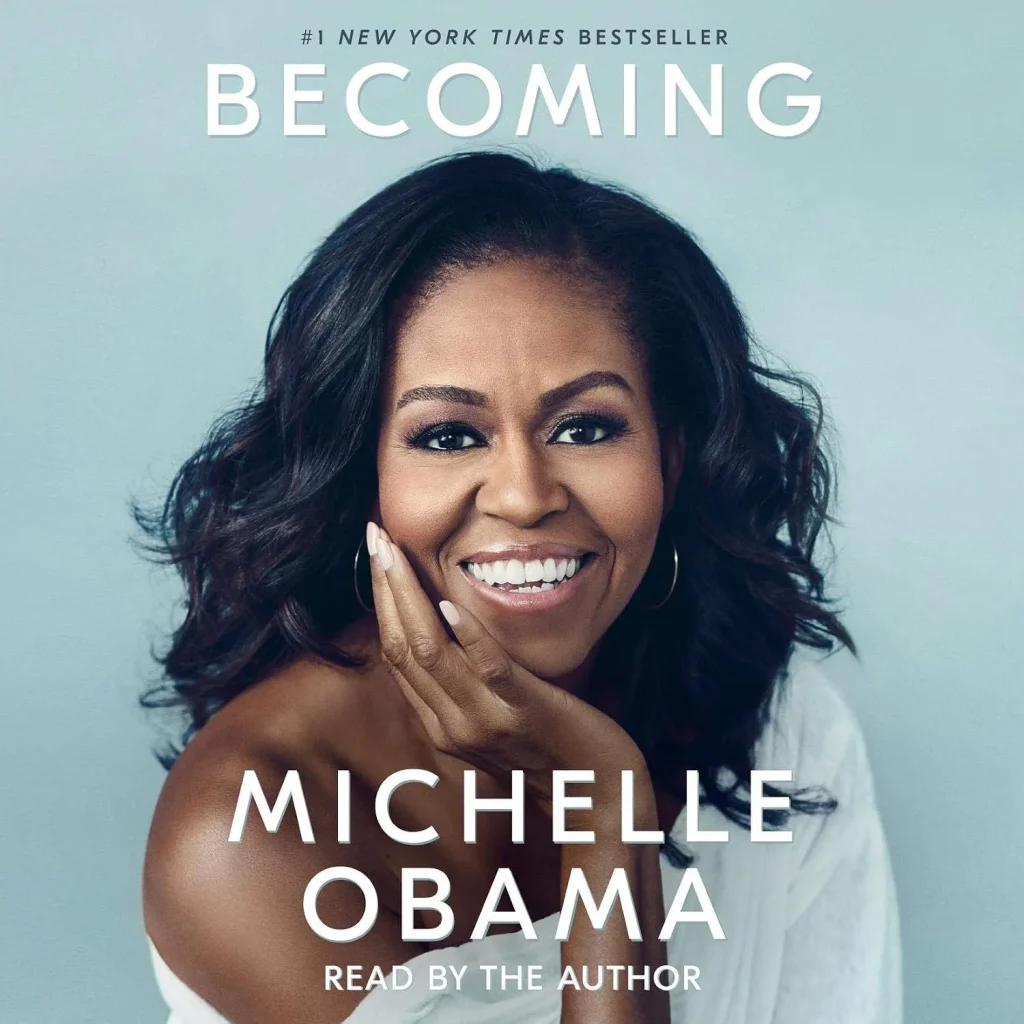
Best for reflecting on identity and personal voice
Created as a companion to Michelle Obama’s memoir Becoming, this journal encourages readers to consider their own experiences and personal journeys. Its central appeal is the opportunity to reflect on identity, confidence, and the experiences that have influenced who you are.
Readers who enjoy memoirs and personal storytelling may find this approach especially appealing. It provides a framework for exploring your own story rather than simply recording what happened during the day.
Pros
- Focuses on identity and finding your voice.
- Encourages reflection on personal experiences.
- May appeal to readers who enjoy memoirs and storytelling.
Cons
- Its connection to a specific memoir may be less appealing to readers unfamiliar with the book.
- It is not primarily a planner for setting and tracking goals.
2. 777 Little Moments in My Life: Heal Your Heart, Mend the Relationship and Elevate Your Thinking by Grace Willow

Best for exploring different parts of your life
Self-discovery does not always begin with a question about your career or future goals. Sometimes it starts with a memory that still affects you, a relationship you want to understand, or a decision you continue to revisit.
Grace Willow’s 777 Little Moments in My Life encourages readers to reflect on these experiences and the lessons they carry. Its themes span emotional healing, relationships, self-acceptance, appreciation of everyday life, and personal growth. This makes it a broad option for readers who want to examine how different parts of their lives connect.
Rather than focusing exclusively on defining personal values or achieving a particular goal, the book offers a wider lens through which to consider your experiences and evolving perspective.
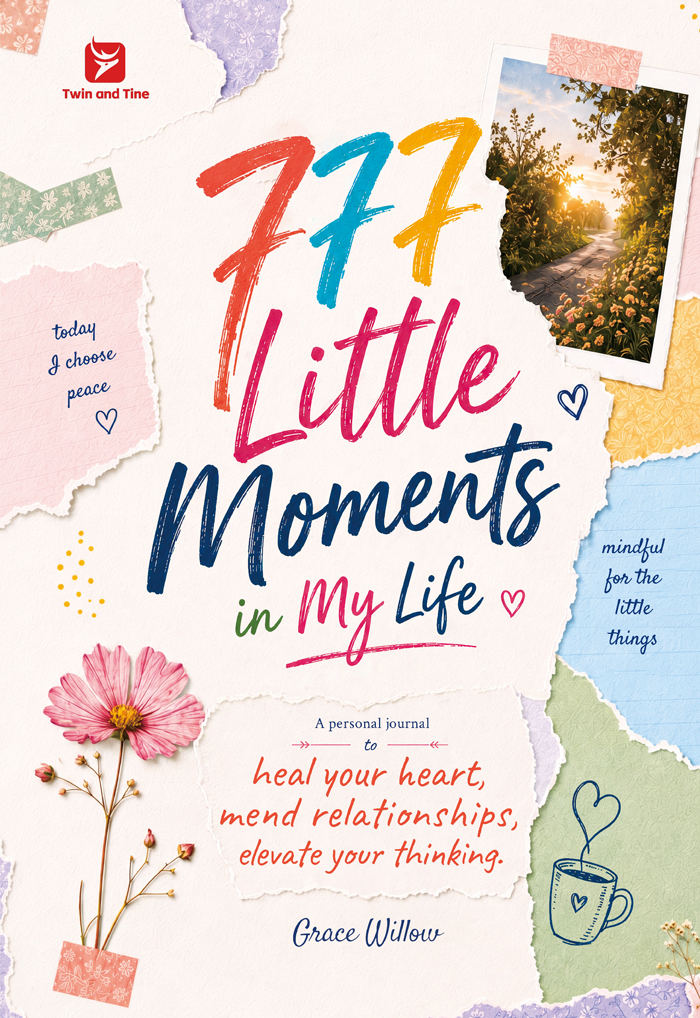
777 Little Moments in My Life
Grace Willow777 prompts to unpack old wounds, release buried emotions, and understand yourself more deeply.
Pros
- Connects self-reflection with relationships and emotional growth.
- Offers a broad focus for readers with several areas they want to explore.
- Encourages attention to everyday experiences as well as significant memories.
Cons
- It is not a dedicated values-assessment or goal-planning workbook.
- Readers who prefer a tightly sequenced program may want a more structured journal.
3. Start Where You Are: A Journal for Self-Exploration by Meera Lee Patel
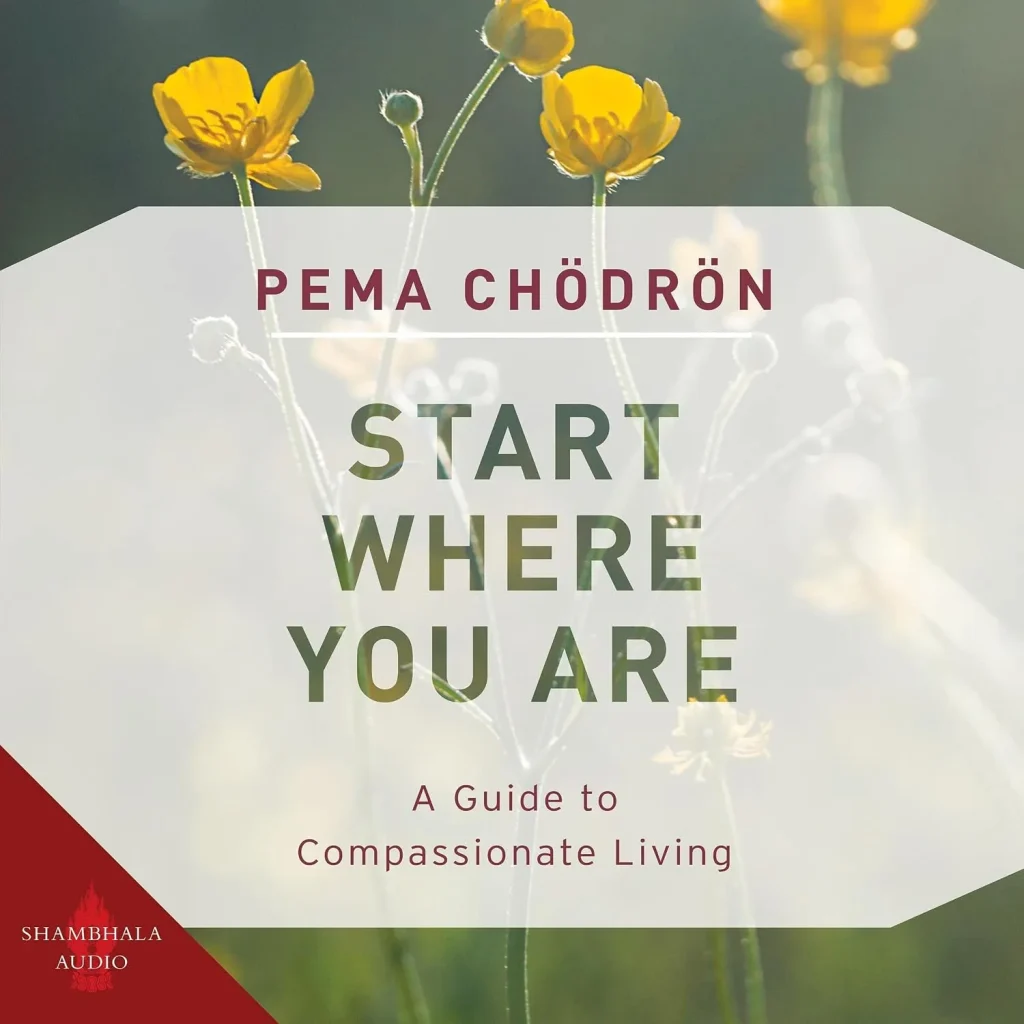
Best for creative self-exploration
This illustrated journal combines open-ended prompts, inspirational quotations, and visual elements to help readers explore their hopes, beliefs, and personal aspirations. It offers a creative alternative to journals that rely entirely on written questions.
The format may be especially appealing if you enjoy drawing, collecting ideas, or expressing thoughts visually. It also allows readers to work at their own pace instead of following a rigid daily schedule.
Pros
- Combines writing prompts with visual elements.
- Encourages creativity as part of self-reflection.
- Allows readers to explore at their own pace.
Cons
- The creative format may not suit readers who prefer direct, analytical questions.
- It may not provide the depth of structure some people want from a workbook.
4. Burn After Writing by Sharon Jones

Best for candid self-examination
Burn After Writing encourages readers to examine their past, present, and future through personal questions. Its direct approach can help readers think about their habits, relationships, memories, and ambitions in a way that goes beyond recording daily events.
This journal may be useful for people who find it easier to discover what they think by answering a specific question. However, some prompts are personal and direct, so readers who prefer a softer or more guided style may want another format.
Pros
- Encourages honest reflection on personal experiences.
- Covers the past, present, and future.
- Uses questions to help readers get started.
Cons
- Some prompts may feel uncomfortable.
- It may not suit readers looking for a gentle, highly structured program.
5. A Year of Zen: A 52-Week Guided Journal
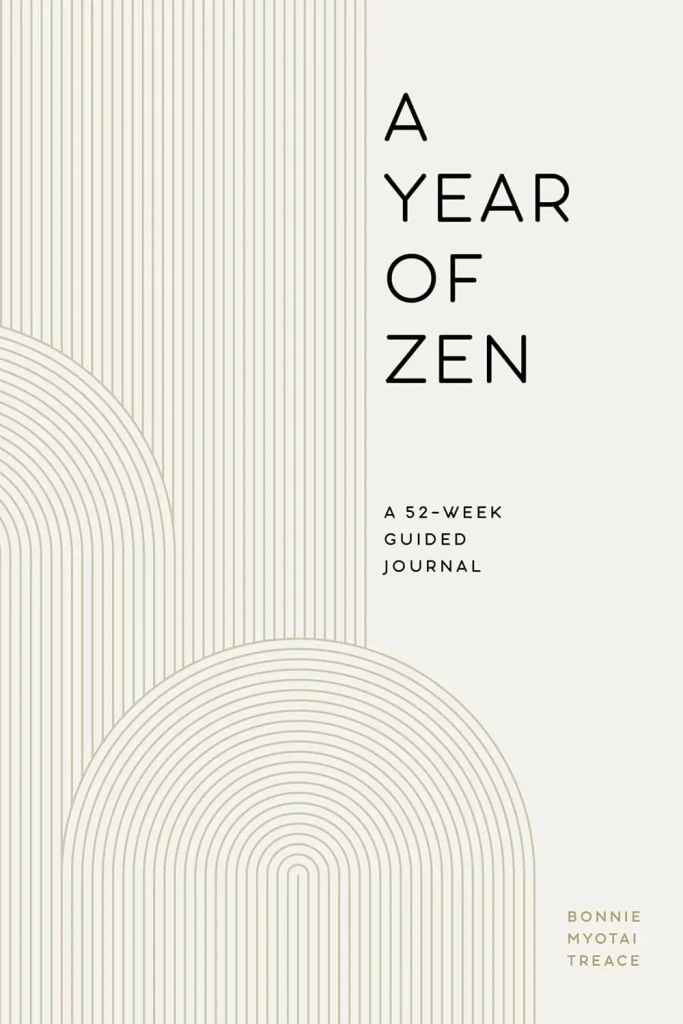
Best for gradual, mindful reflection
This journal offers weekly prompts inspired by Zen principles. Its slower pace can help readers make space for observation and reflection without feeling that they need to write something every day.
For self-discovery, this approach can be useful when you want to notice how your thoughts and priorities change over time. It is less about completing an intensive program and more about building a regular opportunity to pause.
Pros
- Weekly prompts offer a manageable commitment.
- The undated format allows flexibility.
- Encourages mindful observation.
Cons
- Readers who want detailed daily exercises may find it too light.
- It does not focus specifically on personal history or relationship patterns.
Comparing the Five Journals
| Journal | Best suited to | Main approach |
|---|---|---|
| Becoming | Identity and personal voice | Reflection on your own story |
| 777 Little Moments in My Life | Broad self-discovery | Life experiences, relationships, and growth |
| Start Where You Are | Creative exploration | Writing and visual prompts |
| Burn After Writing | Candid self-examination | Direct personal questions |
| A Year of Zen | Mindful reflection | Weekly prompts |
How to Choose a Self-Discovery Journal
Think about what you most want to understand. If you want to explore identity and personal voice, a journal built around personal storytelling may be a good fit. If you prefer visual expression, an illustrated journal can make reflection feel more creative. If your questions involve memories, relationships, emotional reactions, and life choices, a broader reflection book may give you more room to explore how these experiences connect.
For readers who want to examine more than one part of their lives, 777 Little Moments in My Life is worth considering. Its themes bring together memories, emotions, relationships, and personal growth, making it suitable for people whose self-discovery journey involves understanding both their past and their present. It does not prescribe one fixed path to self-knowledge; instead, it offers space to reflect on the small moments that can gradually change how you see yourself.

