Someone gets promoted, and a colleague who once seemed supportive suddenly becomes distant. A friend keeps comparing salaries, relationships, or achievements. Another person seems pleased when someone they dislike fails.
Envy is uncomfortable to admit, but it can reveal a lot about how people see themselves and others. Understanding it means looking beyond jealousy itself to the insecurities, ambitions, and social pressures that influence how people behave.
1. The 48 Laws of Power by Robert Greene

Success can change a relationship even when the successful person hasn’t changed at all. A colleague becomes guarded, a friend starts making subtle comparisons, or an ordinary conversation turns into a quiet contest.
Robert Greene’s The 48 Laws of Power explores ambition, rivalry, manipulation, and the pursuit of influence through historical examples. Its view of human relationships can be cynical, but it raises an uncomfortable possibility: people don’t always respond to others based on affection or merit. Sometimes, they respond to what another person’s success means for their own position.
2. Awakening to Human Nature by Owen Pierce

Envy doesn’t always appear as open resentment. It can surface in a compliment with a sting, repeated criticism of someone’s achievements, or a person who seems unusually eager to point out another’s mistakes.
Awakening to Human Nature explores hidden motives, emotional patterns, desire, and social power. It looks at the forces that shape people’s reactions and the intentions that may not be obvious from their words alone. If you’ve ever left a conversation wondering why someone acted that way, this book offers a broader framework for thinking about human behavior, manipulation, and interpersonal dynamics.
3. The Status Game: On Human Life and How to Play It by Will Storr
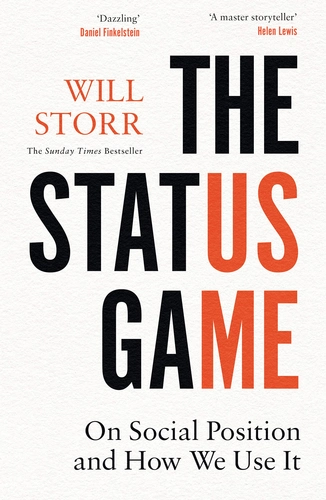
Imagine two people with equally good lives. One is content until the other receives public recognition, earns more money, or becomes the center of attention. Suddenly, the comparison changes how the first person feels about their own achievements.
In The Status Game, Will Storr examines the human desire for recognition, respect, and belonging. He argues that status plays a significant role in how people form identities and interact with groups. This makes the book especially relevant to envy: sometimes, another person’s success feels threatening not because it takes anything away from us, but because it changes how we perceive our own standing.
4. The Social Animal by Elliot Aronson and Joshua Aronson

Why do people defend an opinion even when the evidence challenges it? Why might someone judge the same behavior differently depending on whether it comes from a friend or a rival?
The Social Animal uses social psychology to explore conformity, prejudice, persuasion, aggression, and relationships. It moves beyond individual motives to examine how the people around us influence what we believe and how we behave. For readers interested in the social side of human nature, it helps explain why rivalry and comparison can become so powerful, especially within groups.
5. Influence: The Psychology of Persuasion by Robert B. Cialdini
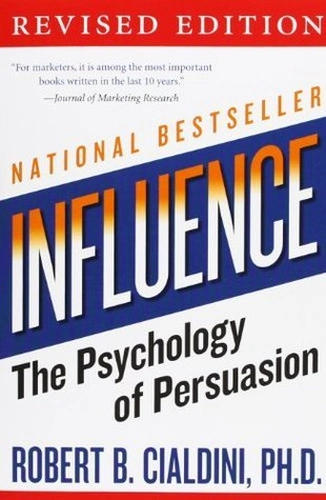
Not every human interaction is a competition. People also seek approval, follow social cues, and allow others to shape their decisions, often without realizing it.
Robert Cialdini’s Influence explains the psychological principles behind persuasion, including social proof, authority, and reciprocity. Although it isn’t specifically about envy, it adds another dimension to understanding human behavior: how people’s choices can be shaped by social pressure and by what they believe others expect of them.
What Envy Reveals About Human Nature
Envy isn’t always obvious, and not every criticism or strained relationship is driven by jealousy. But comparison can reveal what people value, where they feel insecure, and how much their sense of self depends on other people’s achievements.
The point isn’t to assume the worst of everyone. It’s to look more carefully at the motives and pressures behind behavior instead of taking every reaction at face value. These books offer different perspectives on that process, from status and rivalry to social influence and hidden motives.
If you found this helpful, these books go deeper into the same themes.




Break the Anxiety Circle
$19.90

From Debt to Wealth
$19.90

