Money affects nearly every part of daily life, from paying bills and using credit cards to saving for the future and making bigger financial decisions. But earning money and understanding how it works are two different things. You can have a steady paycheck and still wonder where it all goes, or save regularly without feeling any closer to financial security.
These five books offer different ways to understand money, including the habits behind financial decisions, the basics of managing income and debt, and the larger systems that shape wealth. Whether you’re starting from scratch or trying to make better sense of your own finances, you can choose the book that fits what you want to understand.
1. The Psychology of Money by Morgan Housel
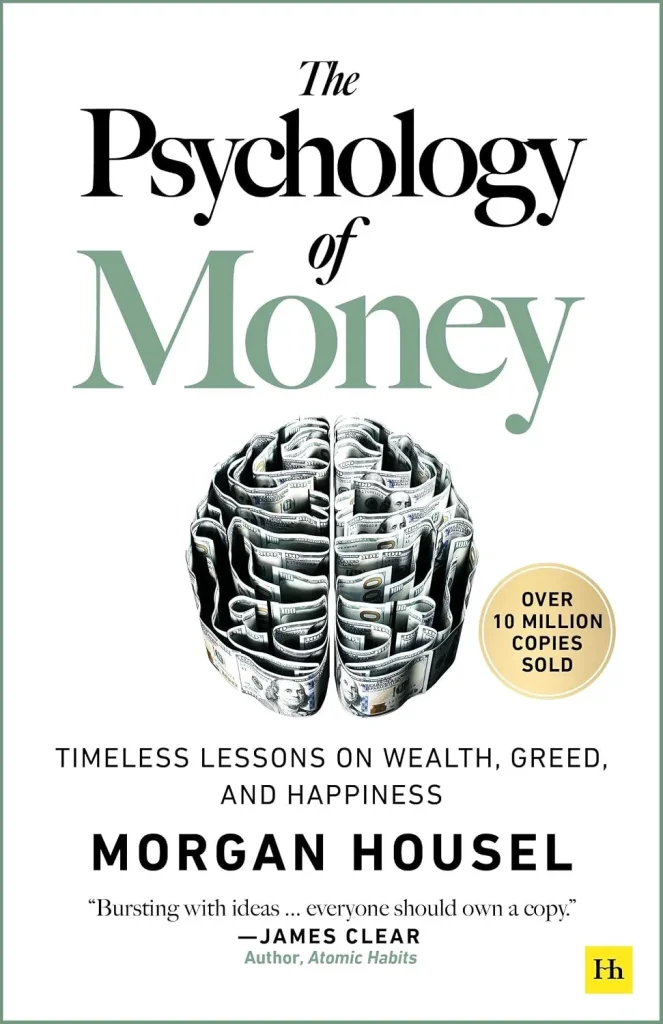
Best for understanding why money decisions aren’t always logical.
You may know that saving matters and still find yourself spending more than planned. Or you might earn more than you used to but feel no more financially secure. Sometimes the difficulty isn’t a lack of financial knowledge. It’s how personal experiences, emotions, and expectations influence the way you use money.
Morgan Housel uses short stories and real-world examples to show how people think about wealth, risk, spending, and financial success. Rather than focusing on complicated calculations, the book looks at the human side of money and why two people with similar incomes can make very different financial choices.
If you’ve ever wondered why managing money feels harder than the numbers suggest, this is a useful place to start.
Category: Money Psychology
2. From Debt to Wealth by Owen Pierce
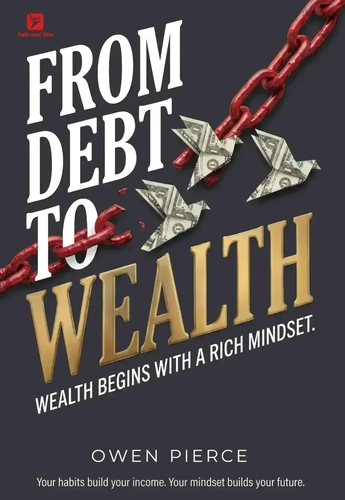
Best for understanding how everyday money choices affect your financial future.
Your paycheck arrives, the bills get paid, and you cover the things you need. Yet at the end of the month, there may be little left to save. If this sounds familiar, it can be difficult to see how your current financial situation connects to the future you want.
From Debt to Wealth looks at the relationship between earning, spending, debt, saving, and building assets. It gives readers a broader way to think about their finances, especially when a regular income doesn’t seem to translate into lasting progress.
This book is a good fit if you want to understand what’s happening across your financial life, rather than looking at each bill or money decision separately. It can help you put everyday money pressures into perspective and see how different parts of your financial situation fit together.
Category: Personal Finance

From Debt to Wealth
Owen PierceYour paycheck comes in. The bills go out. And somehow, you’re back at zero again.
Learn why earning more does not always create financial progress—and what has to change before your money starts working differently.
3. How Money Works: The Facts Visually Explained by DK
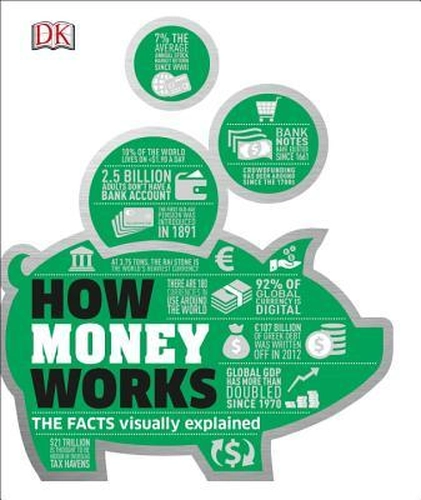
Best for readers who prefer clear visuals over dense explanations.
Money can feel confusing when financial terms, economic systems, and unfamiliar concepts all seem connected. If you’ve ever searched for an explanation and ended up with even more questions, a visual guide may be easier to follow.
How Money Works uses diagrams, illustrations, and concise explanations to introduce financial and economic ideas. Its visual format makes it a practical choice for readers who want to build a broader understanding without starting with a highly technical textbook.
Pick this one if you want a reference you can browse by topic, revisit when a question comes up, and use to get more comfortable with concepts that often appear in everyday financial discussions.
Category: Financial Literacy
4. Rich Dad Poor Dad by Robert T. Kiyosaki
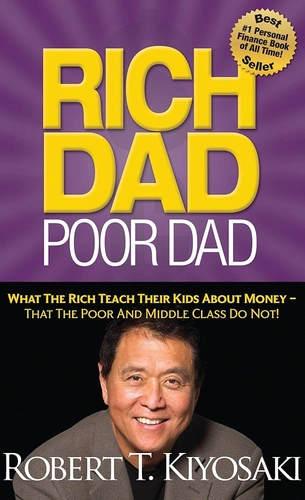
Best for rethinking the difference between earning money and building wealth.
A good salary can make life more comfortable, but it doesn’t automatically tell you whether your finances are becoming stronger over time. You might be curious about why some people focus on acquiring assets while others rely mainly on their next paycheck.
Robert T. Kiyosaki uses a story-driven approach to discuss financial education, assets, liabilities, work, and wealth-building. The book challenges familiar assumptions about jobs and money, encouraging readers to think about how income and ownership can shape their financial lives.
If you’re trying to understand why a higher income doesn’t always mean greater wealth, this book offers a different perspective. Its ideas are best treated as a starting point for thinking critically, rather than a complete financial plan.
Category: Wealth Building
5. I Will Teach You to Be Rich by Ramit Sethi
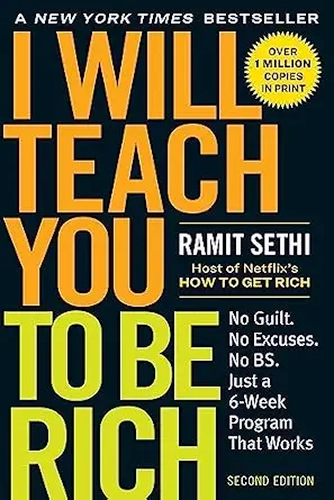
Best for turning money knowledge into an everyday system.
Understanding money is one thing. Knowing how to handle your accounts, bills, savings, and spending without constantly worrying about them is another. If you want a clearer routine for managing your finances, this book focuses on the practical side.
Ramit Sethi lays out a system for organizing bank accounts, automating financial tasks, managing spending, and getting started with investing. He also encourages readers to decide what they genuinely value, so their financial choices support the life they want to live.
This is a strong option if you already understand some money basics but want a more organized way to put them into practice. The examples and recommendations are primarily aimed at a U.S. audience, which makes the book especially relevant to readers managing U.S. bank accounts and financial products.
Category: Money Management
Which Book About Money Should You Read First?
If money feels confusing because you don’t know where your paycheck goes, start with a book that helps you understand everyday financial decisions. If you want to know why earning more doesn’t always lead to greater financial security, From Debt to Wealth is a relevant choice. If you’re more interested in how the economy, financial systems, and wealth work on a broader scale, How Money Works offers a wider introduction. And if you already understand the basics but want a more organized way to manage your money, I Will Teach You to Be Rich provides practical steps to consider.
You don’t have to figure out every financial topic at once. Start with the question that’s most relevant to your life right now, whether it’s spending, saving, debt, or building wealth. A book that helps you understand that one area can be a more useful starting point than trying to learn everything at the same time.
Understanding Money Starts With the Right Questions
Money affects more than your bank balance. It influences the choices available to you, the risks you can afford to take, and how prepared you feel for the future. Understanding how money works can help you make better sense of those choices, even if you’re still working toward your financial goals.
Choose the book that matches what you want to understand next, and use it as a starting point for making sense of your own financial situation.
Did this article help you see things differently? Our books turn helpful ideas into practical tools you can return to anytime.



Break the Anxiety Circle
$19.90
From Debt to Wealth
$19.90


