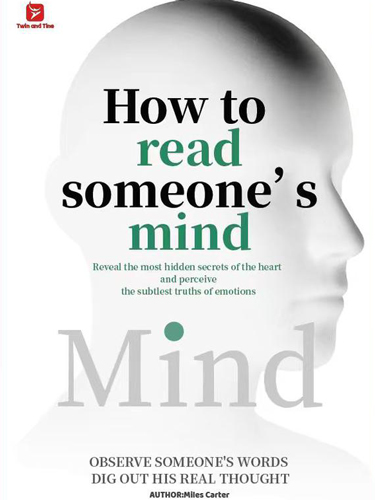
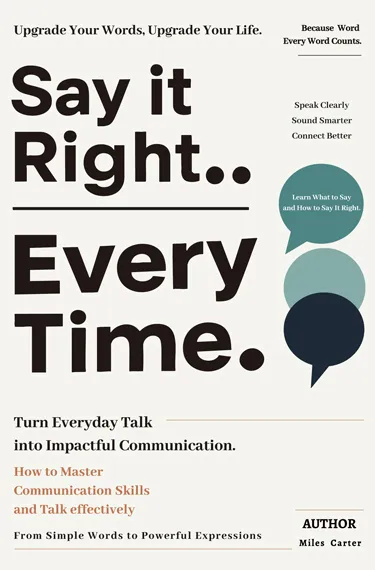
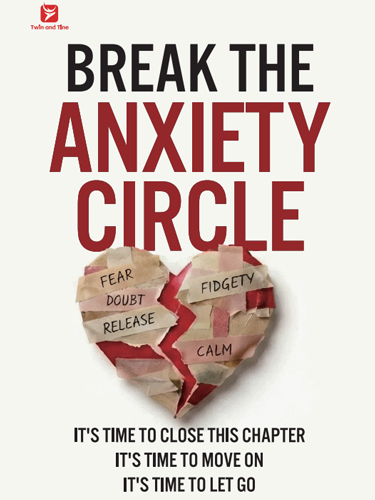
Most people believe they are good. They believe they make decisions based on logic and fairness. They believe that if given the choice, they would choose kindness over cruelty.
But human nature is more complicated than that. The dark side is not always about evil people doing evil things. It is often about ordinary people, acting under ordinary circumstances, who are unaware of the forces shaping their behavior. Self-protection. Status seeking. Self-deception. Group loyalty. The need to feel right.
These books do not expose the dark side to make you cynical. They help you see what is already there.
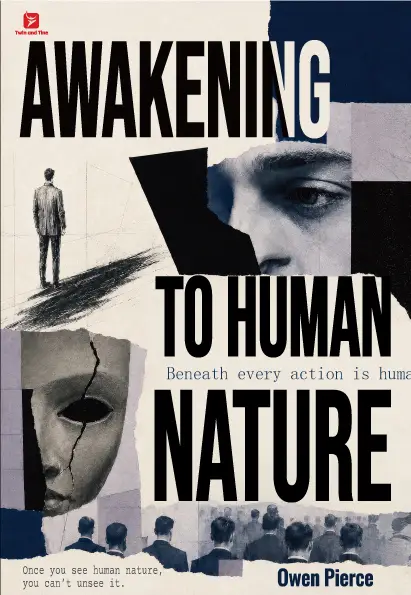
Awakening to Human Nature
Owen PierceA practical guide for understanding hidden motives, social patterns, emotional pressure, and manipulation—so you can read situations more clearly and protect your boundaries with confidence.
Awakening to Human Nature by Owen Pierce
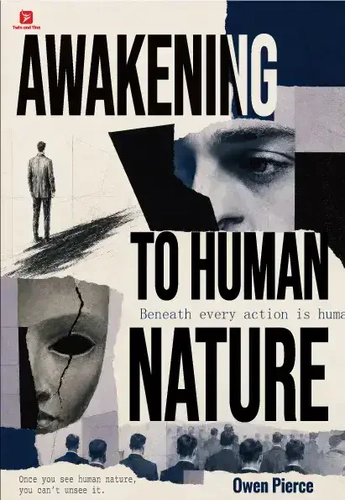
Why people are not always aware of their own behavior
Most people assume they know why they do what they do. Pierce argues that this assumption is often wrong. Human behavior is shaped by forces that operate beneath awareness: ego protection, fear, status seeking, and self-deception.
A person who dismisses your idea may not think it is bad. They may be protecting their sense of expertise. A person who avoids conflict may not be peaceful. They may be avoiding the anxiety of confrontation. A person who takes credit may not be greedy. They may be insecure about their own position.
Pierce helps you see the hidden mechanisms behind behavior that looks confident, rational, or fair on the surface.
What you will learn:
- How ego and self-protection shape behavior
- Why people often do not understand their own motives
- How status seeking influences decisions
- How to see past the surface to what is really driving someone
Who should read this: Anyone who has ever been confused by why people act the way they do.
The Righteous Mind by Jonathan Haidt
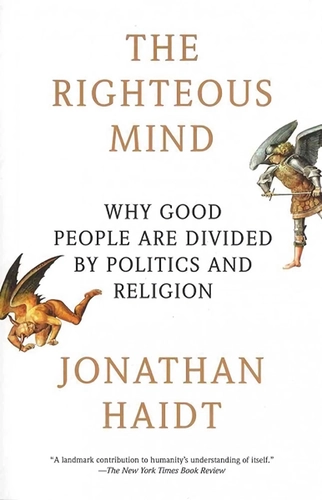
Why good people believe they are right
The dangerous side of human nature is not only cruelty. It is the ability to convince ourselves that we are right.
Haidt, a social psychologist, argues that people do not form beliefs through reasoning. They form beliefs through intuition and emotion, and then use reasoning to defend them. People are moral, but they are also tribal. They bond with their group and defend it against outsiders.
This explains why intelligent, well-meaning people can hold positions that seem obviously wrong to others. They are not being dishonest. They are protecting a worldview that is tied to their identity.
What you will learn:
- How moral intuition shapes judgment before reasoning begins
- Why people defend their group even when the evidence does not support them
- How confirmation bias keeps people stuck in their beliefs
- Why arguments rarely change minds
Who should read this: Anyone who has ever wondered how good people can believe things that seem obviously wrong.
Influence by Robert Cialdini
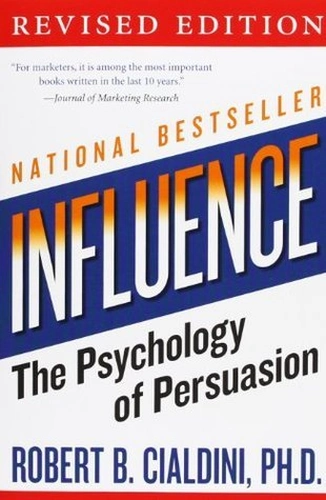
How easily human decisions can be shaped
Most people believe they make decisions independently. They assume their choices are their own.
Cialdini, a psychologist, studied what actually drives compliance and persuasion. He found that people are consistently influenced by forces they do not notice: authority, social proof, scarcity, reciprocity, and the need for consistency.
A person who agrees to something they did not want to do may not be weak. They may be responding to social pressure they did not even recognize. A person who buys something they did not plan to buy may not be impulsive. They may be responding to a carefully crafted trigger.
What you will learn:
- How social proof shapes decisions
- Why authority figures influence behavior more than people realize
- How scarcity and urgency drive choices
- How to recognize when you are being influenced
Who should read this: Anyone who has ever made a decision and later wondered why they agreed to it.
Ordinary Men by Christopher Browning
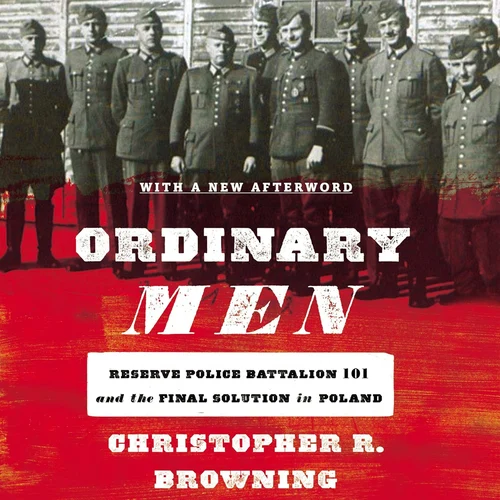
How ordinary people can cross moral boundaries
The most unsettling part of the dark side is not that bad people do terrible things. It is that ordinary people can do terrible things under the right conditions.
Browning examines how a group of ordinary men, not monsters, became capable of atrocities. He shows how obedience, group pressure, and the normalization of harmful behavior can change what people believe is acceptable.
This book is not about excusing behavior. It is about understanding how the capacity for harm exists in more people than we want to believe.
What you will learn:
- How group pressure can override personal morality
- Why ordinary people can do things they never thought themselves capable of
- How normalization makes harmful behavior feel acceptable
- What conditions allow people to cross moral lines
Who should read this: Anyone who has ever wondered how good people can become complicit in harm.
Without Conscience by Robert D. Hare
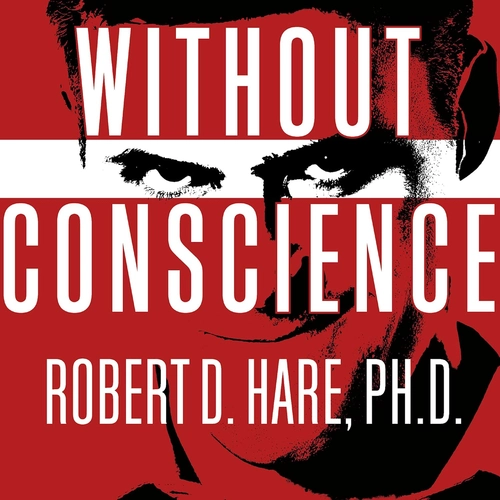
What happens when empathy is missing
At the extreme end of human nature is the absence of empathy. Hare, a psychologist who developed the Psychopathy Checklist, explores the condition of people who lack remorse, guilt, or emotional connection to others.
He explains that these individuals are not always easy to recognize. They can be charming, confident, and persuasive. The danger is not that they are violent. It is that they see others as tools to be used.
Hare helps you understand what happens when empathy is absent—and why this matters for understanding the full range of human behavior.
What you will learn:
- How empathy shapes normal human interaction
- What happens when empathy is missing
- Why some people can manipulate others without guilt
- How to recognize the extreme end of human behavior
Who should read this: Anyone who wants to understand the full spectrum of human nature, from empathy to its absence.
How these books work together
The first book helps you see the hidden forces inside every person: ego, self-protection, status seeking, and self-deception.
The second book explains how people convince themselves they are right, and why this leads to conflict and division.
The third book reveals how easily decisions can be shaped by external forces like social pressure, authority, and persuasion.
The fourth book shows how ordinary people can cross moral boundaries under the right conditions.
The fifth book explores what happens when empathy is missing entirely.
Together, they help you see the full picture of human nature—not to make you cynical, but to help you understand what is already there.
FAQ
Is the dark side of human nature the same as evil?
No. The dark side is not about evil people. It is about the hidden mechanisms—self-deception, group loyalty, social pressure, and the absence of empathy—that can lead ordinary people to cause harm.
Are people naturally selfish?
Not entirely. Humans are capable of both selfishness and cooperation. The dark side is not about what people are. It is about what people are capable of under different conditions.
Can understanding human nature prevent harm?
Yes. Understanding the mechanisms that lead to harmful behavior is the first step to recognizing them in yourself and others. Awareness does not guarantee change, but it makes change possible.
Is everyone capable of crossing moral boundaries?
Under the right conditions, many people are capable of actions they would not normally consider. This is not an excuse. It is a call to be aware of how situations shape behavior.