Building wealth can feel out of reach when most of your paycheck goes toward rent, groceries, bills, and debt payments. You may want to save or invest, but it’s hard to make progress when there’s little money left at the end of the month.
The right starting point depends on your financial situation. If your income barely covers your bills, focus first on understanding your spending, managing debt, and finding ways to increase your income. Investing becomes easier to consider once you have more room in your budget.
These five books approach wealth building from different angles, including money habits, everyday spending, earning opportunities, and long-term investing. Whether you’re trying to break the paycheck-to-paycheck cycle or make better use of the money you already have, here’s how to choose the book that fits your next step.
1. The Psychology of Money by Morgan Housel
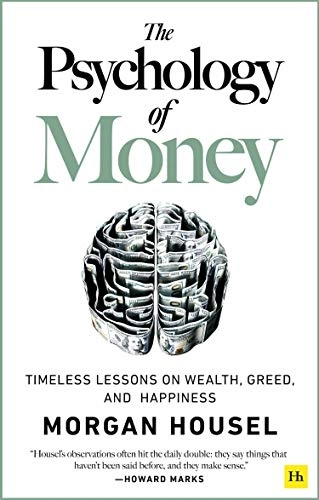
Best for: People who want to make better financial decisions.
Two people can earn similar salaries and end up in very different financial situations. One saves consistently and avoids unnecessary risks. The other spends more whenever their income increases. Over time, these choices can lead to very different outcomes.
The Psychology of Money explores how behavior, patience, risk, and personal experiences influence financial decisions. Rather than focusing only on calculations or investment strategies, Morgan Housel examines the attitudes and habits that shape how people handle money.
If you often feel pressured to keep up with other people’s lifestyles or struggle to stick to your financial goals, this book offers a useful starting point for understanding the decisions behind your money habits.
2. The Millionaire Next Door by Thomas J. Stanley and William D. Danko
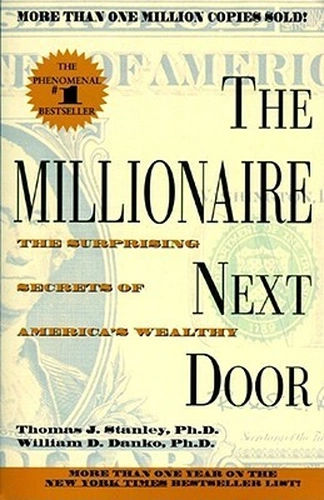
Best for: Readers who want to understand how ordinary people accumulate wealth.
A high income doesn’t automatically mean someone is wealthy. Expensive cars, a large house, and frequent upgrades can make a person look financially successful while leaving little money available to build long-term security.
The Millionaire Next Door examines the habits and financial behaviors associated with people who have accumulated substantial wealth. It challenges the assumption that becoming wealthy requires displaying success through expensive purchases.
This book is worth considering if you want to rethink what financial success looks like. It puts the focus on how much wealth people build and retain, rather than how much they earn or spend.
3. From Debt to Wealth by Owen Pierce
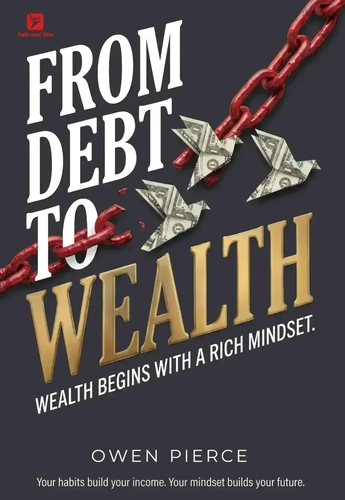
Best for: People who work hard but still struggle to save money or get ahead financially.
Your paycheck arrives, the bills get paid, and you’re already thinking about the next payday. Even when you work full-time, it can be difficult to build savings if debt, everyday expenses, and limited earning opportunities keep taking up most of your income.
From Debt to Wealth looks at why a steady paycheck doesn’t always lead to financial progress. It examines paycheck dependence, the difference between earning money and building wealth, and the habits that can keep people financially stuck.
The book goes beyond cutting expenses. It explores ways to increase earning potential through valuable skills, selling, and business opportunities, alongside financial topics such as conscious spending, saving, debt, diversification, and compound growth.
The key question is whether you’re only trying to make it to the next payday, or building a financial foundation that can support you beyond it. If you want to examine both how you earn money and what happens to the money you keep, this book brings those topics together in one place.

From Debt to Wealth
Owen PierceYour paycheck comes in. The bills go out. And somehow, you’re back at zero again.
Learn why earning more does not always create financial progress—and what has to change before your money starts working differently.
4. The Simple Path to Wealth by JL Collins
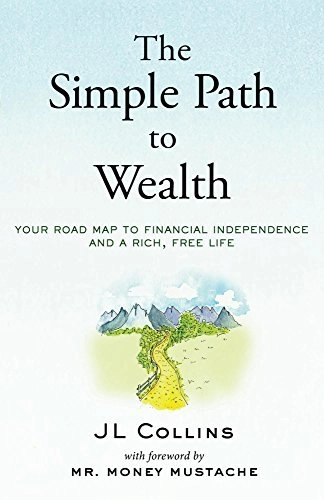
Best for: Readers who have some room to save and want to learn about long-term investing.
When your essential bills and debt payments take up most of your income, investing may feel like a goal for another day. But once you have some financial breathing room, understanding how to put savings to work can become an important next step.
The Simple Path to Wealth introduces saving, stock market investing, and financial independence in accessible terms. JL Collins explains a long-term approach to building wealth without requiring readers to master complicated investment strategies.
This book is best approached as part of a longer financial plan, rather than a quick fix for immediate money problems. If you’re still struggling to cover monthly expenses, start with the books on money habits, debt, and earning opportunities first. You can return to investing as your financial situation becomes more stable.
5. Your Money or Your Life by Vicki Robin and Joe Dominguez
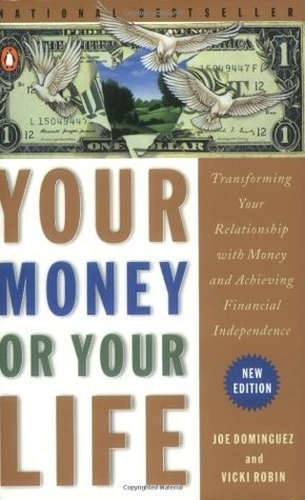
Best for: People who want their money to give them more control over their time.
You might earn enough to cover your expenses and still feel that your life revolves around work. When most of your time goes toward earning money and paying bills, it’s worth asking what financial independence would actually look like for you.
Your Money or Your Life encourages readers to examine the relationship between money, work, spending, and personal priorities. It presents a framework for understanding how money fits into your life and how your financial choices affect the freedom you have over your time.
This is a useful option if your goal isn’t simply to accumulate more money, but to gain more control over how you live. It can help you think about what financial progress means to you and how to align your spending with that goal.
Which Book Should You Read First?
The best book depends on the financial obstacle you’re facing now. You don’t need to start with investing if your immediate problem is debt, and you don’t need to focus exclusively on cutting expenses if your income leaves little room to save.
| If your main challenge is… | Start with… |
|---|---|
| Making better financial decisions and managing money habits | The Psychology of Money |
| Understanding how wealth differs from an expensive lifestyle | The Millionaire Next Door |
| Looking beyond paycheck dependence and examining income, debt, saving, and wealth together | From Debt to Wealth |
| Learning about long-term investing | The Simple Path to Wealth |
| Connecting financial independence with your time and life priorities | Your Money or Your Life |
Think of these books as different starting points rather than five steps you must complete in order. Your financial situation determines which subject is most urgent.
If you can’t cover essential expenses comfortably, focus on cash flow, debt, and realistic ways to improve your income. If you’re able to save but don’t have a long-term plan, learning about investing may make more sense. And if your finances are stable but your lifestyle keeps expanding with your income, examining your money habits may be the better first move.
Building Wealth Starts With Knowing What Needs to Change
You don’t need a high salary to begin improving your financial situation, but the right strategy depends on your starting point. Better spending habits can help you retain more money. Increasing your earning potential may create more room to save. Learning about debt and investing can help you make more informed decisions as your financial position changes.
The important thing is to identify what’s actually holding you back instead of assuming one financial tip will solve everything.
If you’re working hard but still feel caught in the same paycheck cycle, From Debt to Wealth by Owen Pierce is worth considering. It brings together topics ranging from earning opportunities and conscious spending to debt, saving, and investing, giving you a broader perspective on the different parts of wealth building.
Ready to look beyond your next paycheck?
Did this article help you see things differently? Our books turn helpful ideas into practical tools you can return to anytime.



Break the Anxiety Circle
$19.90
From Debt to Wealth
$19.90


