Overthinking can make even simple situations feel overwhelming.
A small decision can become a long internal debate.
A simple conversation can turn into endless analysis.
A future possibility can become a source of constant worry.
Many people who overthink do not actually have a problem with thinking.
The problem is that their thoughts become repetitive, negative, and difficult to control.
Breaking this cycle does not happen overnight.
However, small daily habits can help you create a healthier relationship with your thoughts.
Here are 5 habits that can help calm your mind and reduce overthinking.
1. Notice When Your Thoughts Start Repeating
The first step to changing overthinking is recognizing the pattern.
Many people become caught in repeated thoughts without realizing it.
For example:
- Replaying the same conversation
- Imagining different outcomes repeatedly
- Searching for the “perfect” decision
- Worrying about situations that have not happened
When you notice these patterns, you create space between yourself and your thoughts.
Instead of automatically following every thought, you can begin observing it.
2. Separate Problems You Can Solve From Things You Cannot Control
Overthinking often becomes stronger when people spend energy trying to control uncertain situations.
Ask yourself:
“Is there something I can actually do about this?”
If the answer is yes, focus on taking action.
If the answer is no, continuing to analyze the situation may only create more stress.
Learning the difference between problem-solving and unnecessary worrying can make your thoughts feel more manageable.
3. Create Time Limits for Worry
Some people believe that thinking longer will help them find better answers.
However, endless thinking often creates more confusion.
A helpful habit is creating boundaries around worry.
For example:
- Give yourself a few minutes to think about a problem
- Write down possible solutions
- Decide when to move forward
Your mind needs rest just like your body does.
4. Replace Negative Assumptions With Better Questions
Overthinking is often driven by automatic negative assumptions.
Examples:
“What if everything goes wrong?”
“What if people judge me?”
“What if I cannot handle this?”
Instead of accepting these thoughts immediately, try asking:
“Is this the only possible outcome?”
“What evidence supports this thought?”
“What would I say to a friend in this situation?”
Better questions can create healthier thinking patterns.
5. Build Daily Habits That Support Emotional Balance
Your mental state is influenced by your daily routines.
Simple habits can help your mind become calmer:
- Getting enough rest
- Moving your body regularly
- Spending time away from constant information
- Practicing mindfulness
- Creating healthy routines
A calmer lifestyle can make it easier to manage difficult thoughts.
Why Overthinking Becomes a Difficult Cycle
Overthinking often follows a repeating pattern.
A thought appears.
The mind focuses on it.
The thought creates anxiety.
The anxiety makes the thought feel more important.
Then the cycle continues.
Many people try to stop overthinking by simply telling themselves to “think positively.”
But lasting change often requires understanding why the cycle happens in the first place.
A Book That Helps You Understand Anxiety and Overthinking Patterns

Breaking overthinking is not only about stopping negative thoughts.
It is about understanding the connection between thoughts, emotions, and reactions.
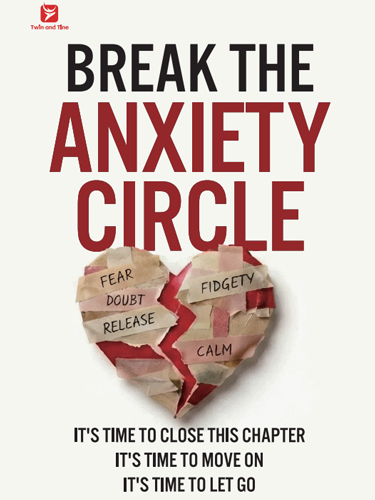
Break the Anxiety Circle by Miles Carter focuses on helping readers recognize unhealthy thinking patterns and understand how anxiety cycles develop.
The book explores:
- Why anxious thoughts repeat
- How worry patterns become stronger
- How thoughts influence emotions
- How to develop healthier mental responses
Instead of simply telling readers to avoid negative thinking, the book helps them understand the process behind anxious thoughts.
Why Read Break the Anxiety Circle by Miles Carter?
This book may be helpful for people who:
- Feel trapped in cycles of worry
- Overanalyze everyday situations
- Struggle to quiet their minds
- Want to understand their emotional patterns
- Hope to develop stronger mental habits
Understanding your thought patterns is an important step toward creating change.
Final Thoughts
Overthinking can make life feel more difficult than it needs to be.
But your thoughts do not have to control your emotions or decisions.
By developing healthier habits, questioning unhelpful thoughts, and understanding how anxiety cycles work, you can gradually create a calmer mindset.
For readers who want to better understand overthinking and break repetitive worry patterns, Break the Anxiety Circle by Miles Carter provides valuable insights into building healthier mental habits.