Parenting is often filled with questions.
Am I listening enough?
Am I being too strict?
How can I help my child feel understood?
Many parents search for better parenting techniques, but one of the most important foundations of parenting is often the relationship itself.
Children need more than rules and guidance. They need to feel seen, heard, and emotionally connected with the people who care for them.
A strong parent-child connection can influence how children communicate, handle emotions, and build confidence.
The good news is that connection is something parents can continue developing.
Many parenting books offer valuable perspectives on empathy, emotional awareness, communication, and creating a healthier family environment.
If you want to strengthen your relationship with your child, these five books are worth exploring.
Most articles are read once and forgotten.
Some ideas are worth coming back to.
The Parent You Aspire to Be by Miles Carter
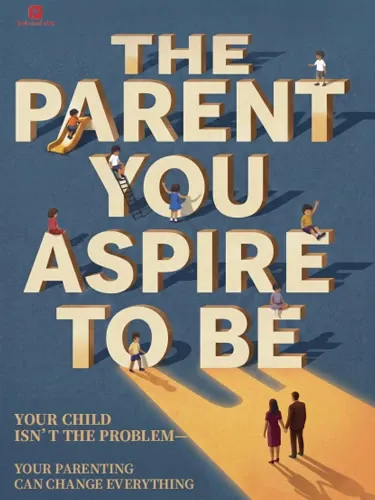
Best for becoming a more emotionally connected parent
Every parent wants to do their best.
However, becoming a better parent is not only about learning new techniques. It is also about understanding yourself and the relationship you want to build with your child.
The Parent You Aspire to Be by Miles Carter explores the deeper side of parenting, helping parents reflect on their emotional habits, communication style, and everyday interactions.
The book focuses on:
- Building stronger emotional connections
- Understanding children beyond their behavior
- Developing patience and self-awareness
- Creating a more supportive family dynamic
Many parenting struggles are not simply about what children do. They are about how parents respond.
By becoming more aware of their own reactions, parents can create more meaningful moments of connection.
For parents who want to grow alongside their children, this book offers thoughtful guidance on becoming a more intentional and understanding parent.
How to Talk So Kids Will Listen & Listen So Kids Will Talk by Adele Faber and Elaine Mazlish
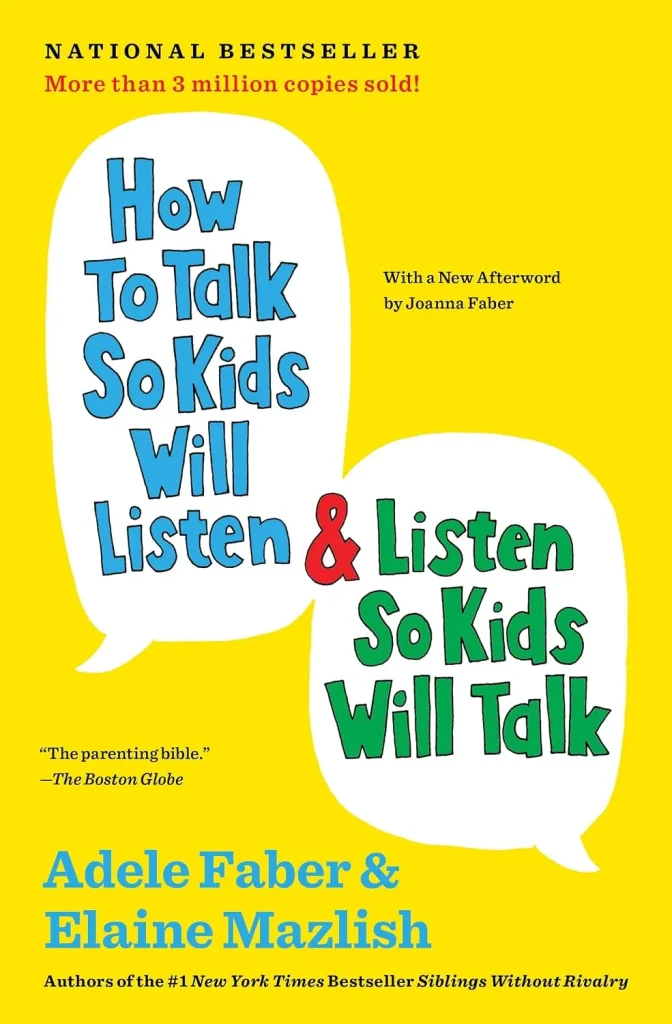
Best for improving everyday parent-child communication
Communication is one of the most important parts of any relationship.
However, talking with children can sometimes feel challenging. Parents may know what they want to say but struggle to express it in a way children can understand.
How to Talk So Kids Will Listen & Listen So Kids Will Talk provides practical strategies for creating more positive conversations.
The book helps parents:
- Listen to children’s feelings
- Encourage cooperation
- Reduce unnecessary conflicts
- Respond with more empathy
Instead of focusing only on correcting behavior, it teaches parents how to build cooperation through understanding.
For families looking to improve daily conversations, this book offers useful communication tools.
No-Drama Discipline by Daniel J. Siegel and Tina Payne Bryson
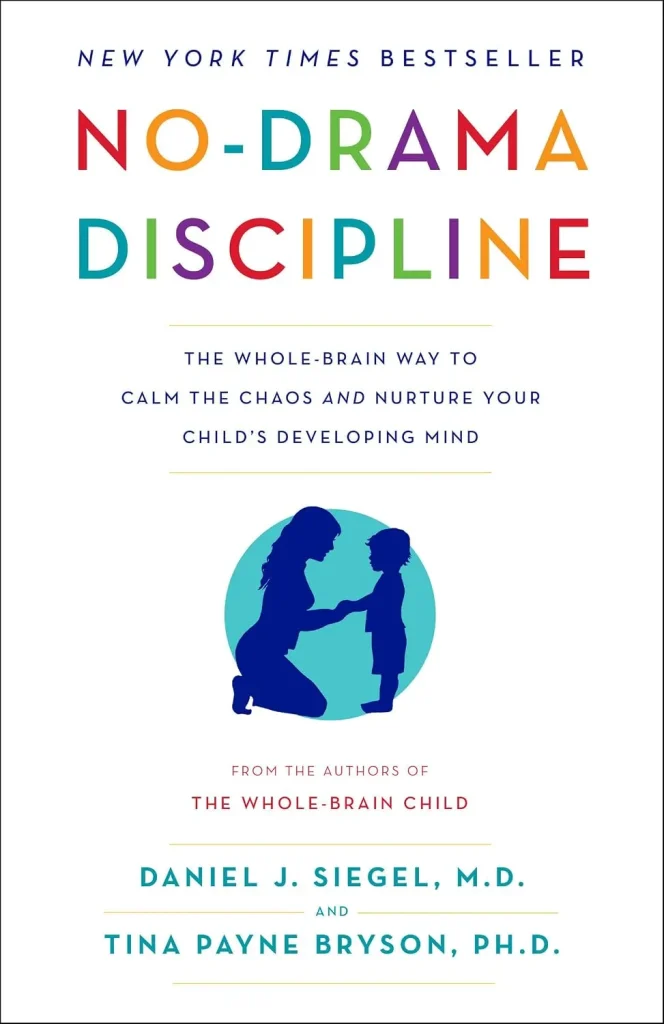
Best for handling challenging behaviors with connection
Discipline is one of the areas where many parents struggle.
They want to teach important lessons while still maintaining a close relationship with their children.
No-Drama Discipline explores how parents can respond to difficult behaviors while staying connected.
The book explains:
- Why children behave emotionally during stressful moments
- How connection influences discipline
- Ways to guide children without creating fear
- How to teach emotional regulation
The goal is not simply to stop unwanted behavior.
It is to understand what is happening beneath the behavior and help children develop important skills.
The Whole-Brain Child by Daniel J. Siegel and Tina Payne Bryson
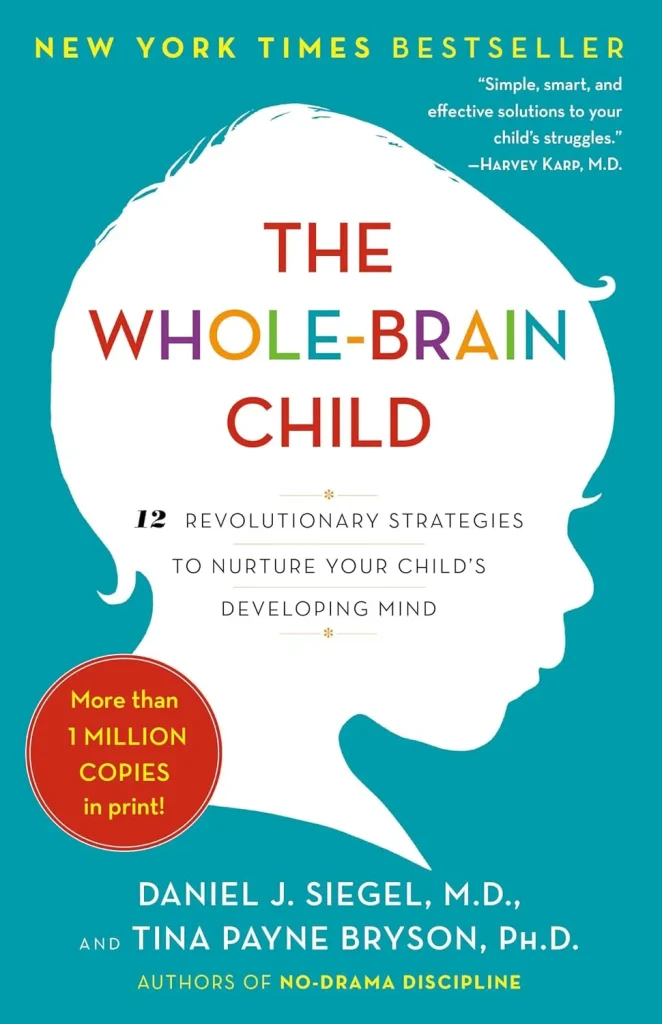
Best for understanding children’s emotional needs
Children experience emotions differently from adults.
A child’s reaction may seem surprising, but it often reflects their stage of emotional development.
The Whole-Brain Child helps parents understand how children’s brains develop and how this affects their emotions and actions.
The book explores:
- Supporting emotional growth
- Helping children manage strong feelings
- Understanding reactions during stressful situations
- Building stronger parent-child relationships
When parents understand what children are experiencing internally, they can respond with more patience and compassion.
Peaceful Parent, Happy Kids by Laura Markham
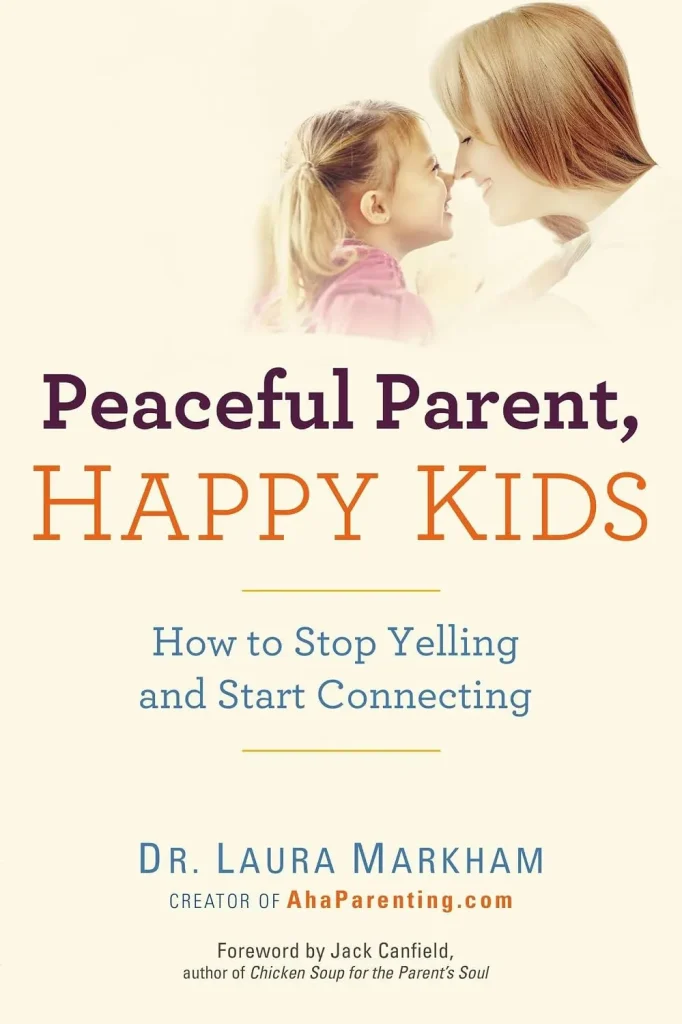
Best for creating a calmer and more connected home
A child’s emotional world is closely connected to the emotional environment at home.
When parents feel stressed, overwhelmed, or disconnected, it can affect family interactions.
Peaceful Parent, Happy Kids focuses on helping parents develop emotional awareness and create a more peaceful relationship with their children.
The book encourages parents to:
- Manage their own emotions
- Strengthen emotional bonds
- Respond instead of reacting
- Create a supportive family atmosphere
It reminds parents that connection often begins with how they show up emotionally every day.
Why Parent-Child Connection Matters
A strong connection does not mean children always get what they want.
It means they feel valued and understood while learning important boundaries.
Children Feel Safe Sharing Their Thoughts
When children believe their parents will listen, they are more likely to communicate openly.
Emotional Skills Develop Through Relationships
Children learn how to understand and manage emotions through their interactions with caregivers.
Trust Builds Over Time
Small moments of attention, kindness, and understanding create long-lasting trust.
How to Build More Connection in Everyday Parenting
Building a stronger relationship does not require complicated changes.
Parents can create connection through simple daily habits:
- Listening without immediately correcting
- Spending distraction-free time together
- Showing interest in children’s feelings
- Apologizing when mistakes happen
- Creating moments of encouragement and appreciation
These small actions help children feel emotionally supported.
Why The Parent You Aspire to Be Is Worth Reading
Many parenting books focus on specific challenges, such as discipline or communication.
The Parent You Aspire to Be by Miles Carter takes a broader approach by exploring the kind of parent you want to become.
The book encourages parents to:
- Reflect on their parenting approach
- Understand their emotional patterns
- Communicate with greater awareness
- Build deeper connections with their children
For parents who want to move beyond simply managing daily challenges and create a more meaningful relationship with their child, this book offers valuable insights.
Final Thoughts
Good parenting is not about being perfect.
It is about creating a relationship where children feel loved, respected, and understood.
The right parenting books can provide new perspectives and practical strategies for strengthening family connections.
If you want to become a more thoughtful parent and build a deeper bond with your child, The Parent You Aspire to Be by Miles Carter is a valuable book to explore.