Raising a child is not only about providing care, rules, and education.
It is also about building a relationship where children feel understood, supported, and valued.
Many parents want to raise confident and emotionally healthy children, but they often struggle with questions like:
- How can I communicate better with my child?
- How do I respond calmly during difficult moments?
- How can I build trust while still setting boundaries?
- How can I support my child’s emotional development?
Positive parenting focuses on creating a balance between guidance and connection.
The right parenting books can help parents understand children better, improve communication, and develop more intentional parenting habits.
Here are 5 positive parenting books that can help parents create stronger family relationships.
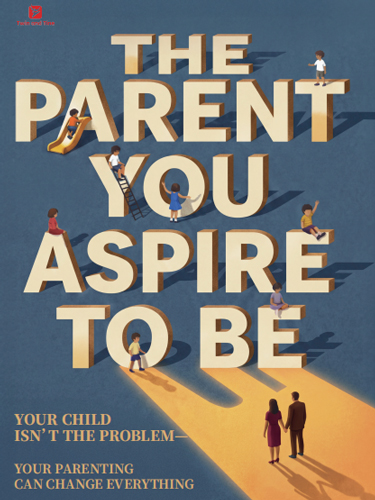
1. The Parent You Aspire to Be by Miles Carter
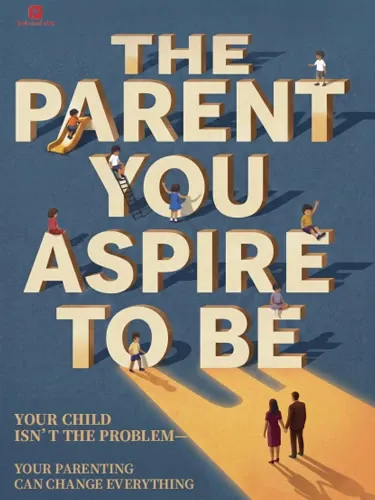
Best for parents who want to build deeper emotional connections with their children
A strong parent-child relationship starts with understanding.
Many parenting challenges are not only about children’s behavior.
They are also about how parents respond, communicate, and create emotional safety at home.
The Parent You Aspire to Be by Miles Carter focuses on helping parents become more thoughtful, patient, and intentional in their parenting approach.
The book explores:
- Understanding children’s emotional needs
- Building stronger parent-child connections
- Improving everyday communication
- Creating a supportive family environment
Instead of focusing only on discipline or correcting behavior, the book encourages parents to think about the long-term relationship they want to create with their children.
For parents who want to become more emotionally aware and build stronger family bonds, this book offers valuable guidance.
2. Positive Discipline by Jane Nelsen
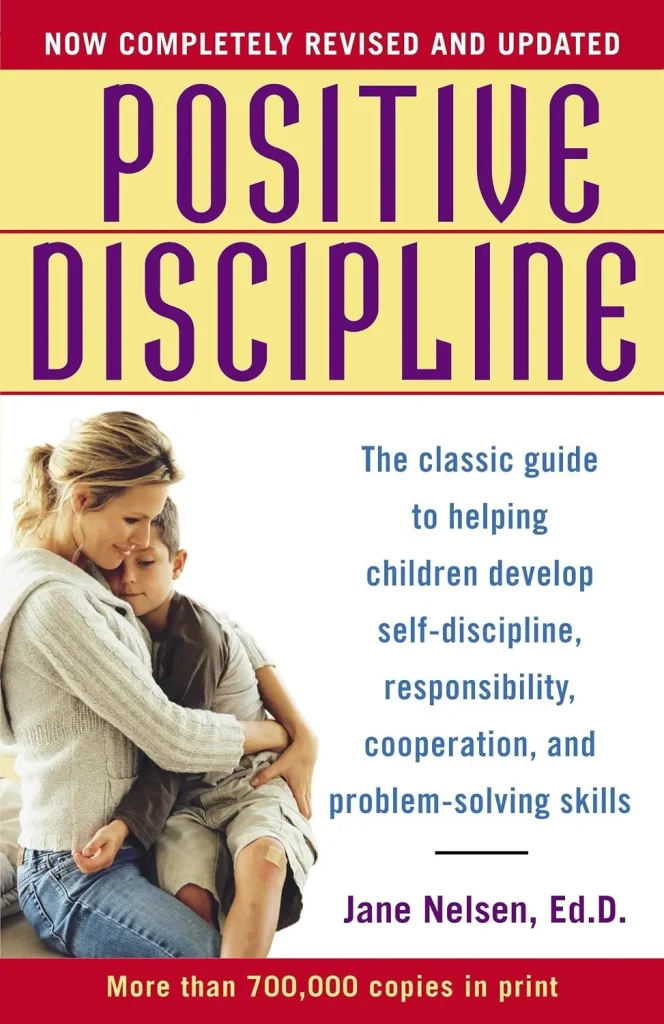
Best for parents who want respectful discipline strategies
Many parents struggle with finding the right balance between being too strict and being too permissive.
Positive Discipline introduces an approach that combines kindness with clear boundaries.
The book explores:
- Teaching responsibility
- Encouraging cooperation
- Setting respectful limits
- Helping children learn from mistakes
It focuses on guiding children instead of simply controlling behavior.
3. The Whole-Brain Child by Daniel J. Siegel and Tina Payne Bryson
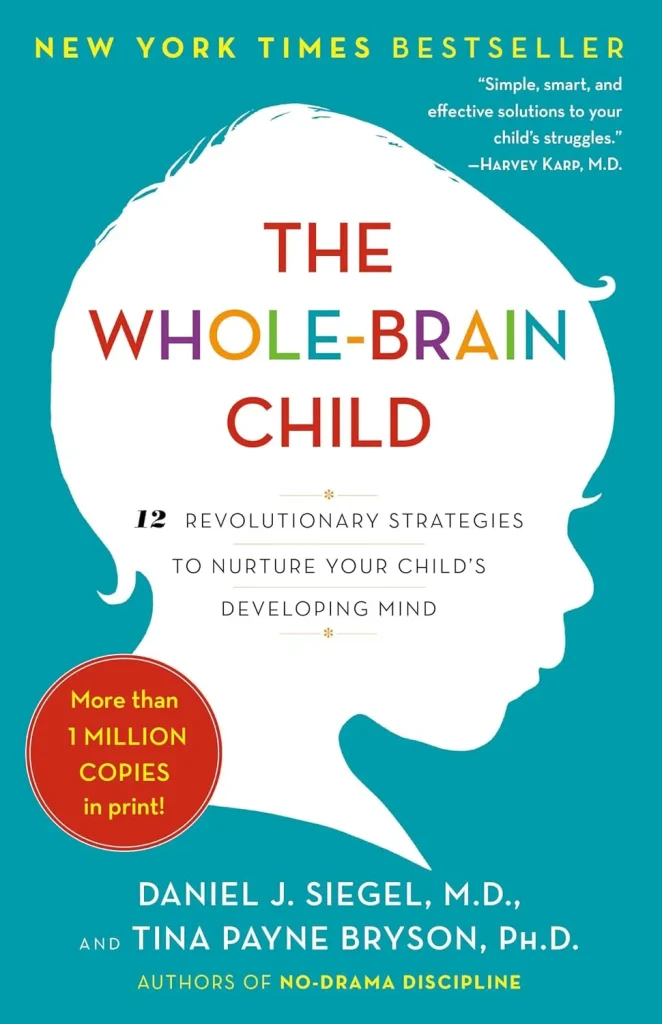
Best for understanding children’s emotional development
Children’s reactions are often connected to how they process emotions and experiences.
The Whole-Brain Child helps parents understand the connection between brain development and behavior.
It covers topics such as:
- Emotional regulation
- Managing big feelings
- Supporting healthy development
- Responding to children’s needs
This book is helpful for parents who want to understand why children behave in certain ways.
4. How to Talk So Kids Will Listen & Listen So Kids Will Talk by Adele Faber and Elaine Mazlish
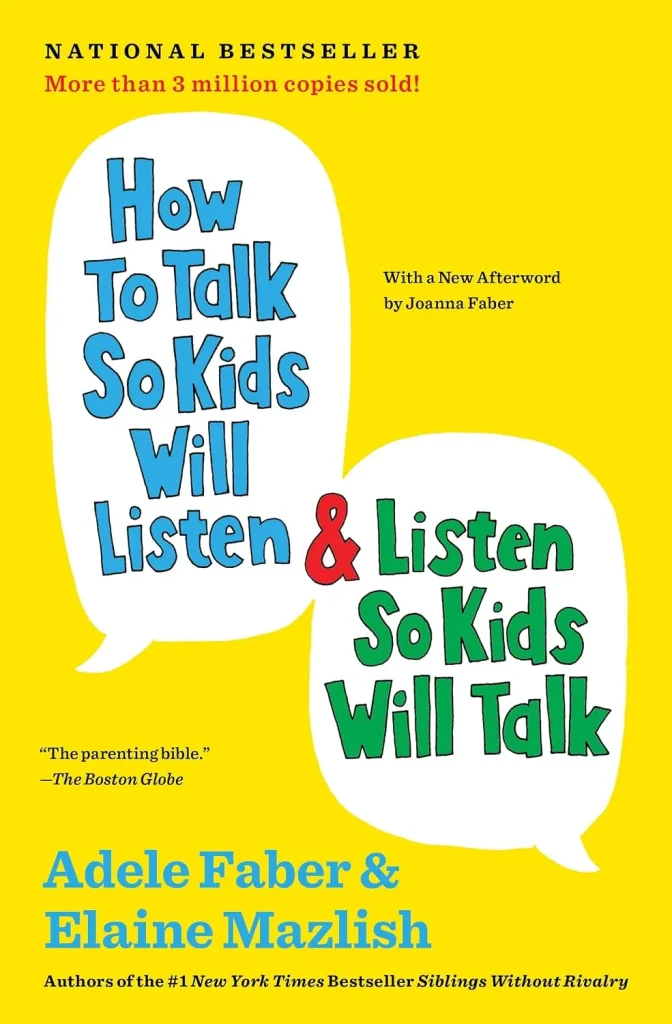
Best for improving parent-child communication
Communication is one of the most important parts of positive parenting.
This book focuses on practical ways parents can create better conversations with their children.
It explores:
- Listening with empathy
- Handling disagreements
- Encouraging cooperation
- Responding to children’s emotions
For parents who want fewer conflicts and more meaningful conversations, this book provides useful strategies.
5. The 5 Love Languages of Children by Gary Chapman and Ross Campbell
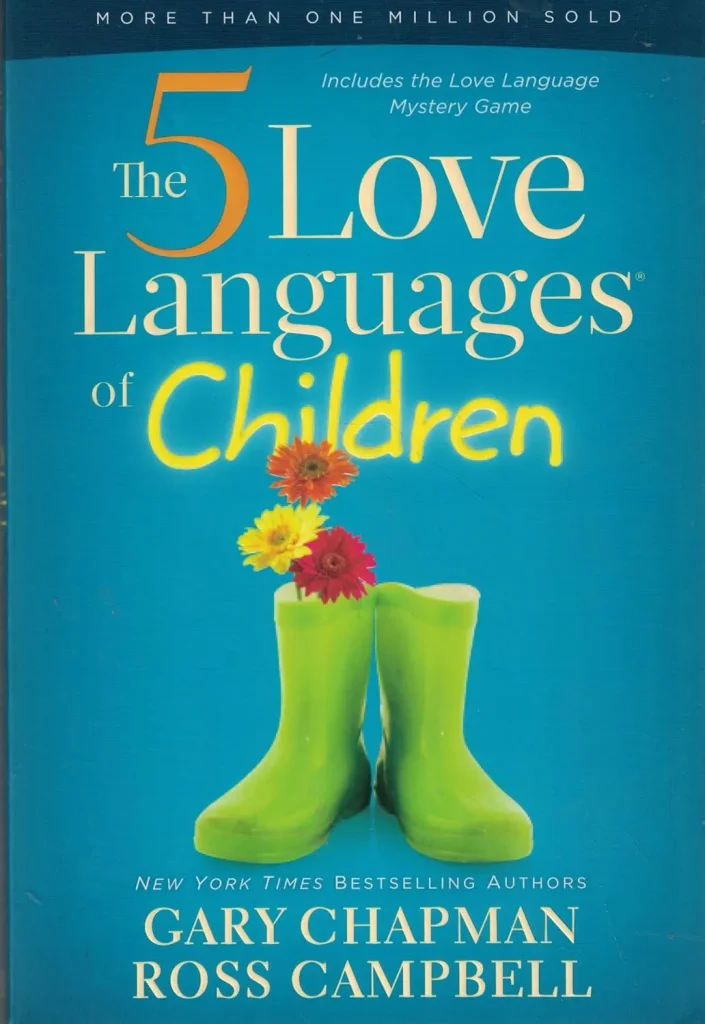
Best for strengthening emotional connection
Every child experiences love differently.
This book explores how parents can better understand their child’s emotional needs and create stronger connections.
It discusses:
- Different ways children feel loved
- Showing affection effectively
- Creating meaningful family moments
- Strengthening emotional bonds
It encourages parents to become more aware of how they express care.
Does this sound like you? There’s more to explore.
Explore the Collection →Awakening to Human Nature
Break the Anxiety Circle
Say it Right..Every Time.
The Parent You Aspire to Be
Why Positive Parenting Matters
Positive parenting does not mean allowing children to do whatever they want.
It means combining:
- Love and boundaries
- Understanding and guidance
- Support and responsibility
Children who feel emotionally supported often develop stronger confidence and communication skills.
A healthy parent-child relationship can influence:
- Emotional security
- Self-esteem
- Problem-solving abilities
- Relationship skills
How Parenting Books Can Help You Become a Better Parent
The right parenting books can help you:
Understand Your Child’s Behavior
Children often communicate emotions through actions.
Learning what is behind certain behaviors can help parents respond more effectively.
Improve Family Communication
Small changes in communication can create stronger connections.
Examples include:
- Listening before correcting
- Acknowledging feelings
- Asking open-ended questions
- Showing patience during conflicts
Develop More Intentional Parenting Habits
Parenting is a continuous learning process.
Books can help parents reflect on:
- Their reactions
- Their parenting values
- The relationship they want to build
Choosing the Right Positive Parenting Book
Different books focus on different parenting goals.
If your goal is building emotional connection and becoming a more intentional parent,
The Parent You Aspire to Be by Miles Carter offers insights into creating stronger family relationships.
If you want respectful discipline strategies,
Positive Discipline provides practical guidance.
If you want to understand child emotions and development,
The Whole-Brain Child offers helpful explanations.
If you want to improve conversations with your child,
How to Talk So Kids Will Listen & Listen So Kids Will Talk provides communication strategies.
If you want to strengthen emotional bonds,
The 5 Love Languages of Children explores ways to express love more effectively.
Final Thoughts
Positive parenting is not about becoming a perfect parent.
It is about continuously learning how to understand, support, and connect with your child.
The strongest family relationships are built through everyday moments of patience, communication, and emotional awareness.
For parents who want to create a closer relationship with their children and develop a more thoughtful parenting approach, The Parent You Aspire to Be by Miles Carter provides valuable insights into building a healthier and more connected family.