Many people believe communication problems happen because they do not know what to say. However, the real challenge is often not the words themselves but the way messages are delivered, interpreted, and received.
A conversation can easily become frustrating when one person feels unheard, another person feels misunderstood, or both sides focus more on defending their own opinions than understanding each other. Over time, these repeated patterns can affect relationships, teamwork, and even personal confidence.
Learning how to improve the way you communicate is not about becoming someone who always says the perfect thing. It is about developing greater awareness of your words, emotions, listening habits, and the impact your communication style has on others.
The right books can help you understand why conversations succeed or fail and provide practical ideas for becoming a clearer and more thoughtful communicator.
Say It Right Every Time by Miles Carter
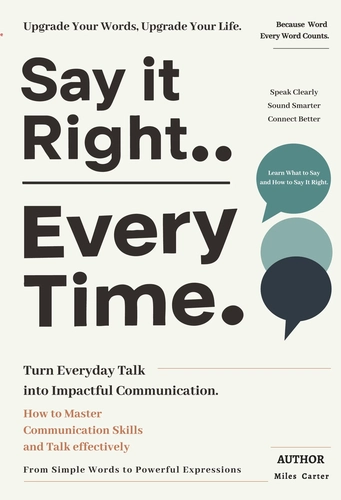
Best for improving everyday communication and reducing misunderstandings
Many communication issues happen in ordinary conversations. A message may sound different from what was intended, emotions may influence the way something is expressed, or two people may walk away from the same conversation with completely different interpretations.
Say It Right Every Time by Miles Carter explores how people can improve their communication by becoming more intentional with their words and more aware of how their messages affect others.
The book focuses on a practical question: how can we communicate in a way that creates understanding instead of confusion?
Rather than treating communication as simply a speaking skill, the book explores the connection between thoughts, emotions, language, and relationships. It encourages readers to develop better communication habits that can be applied in everyday situations.
The book covers important areas such as:
- Expressing ideas with greater clarity
- Understanding how words influence conversations
- Avoiding common communication mistakes
- Creating more meaningful interactions
For people who often feel misunderstood or want to build stronger relationships through better conversations, Say It Right Every Time provides practical guidance for becoming a more intentional communicator.
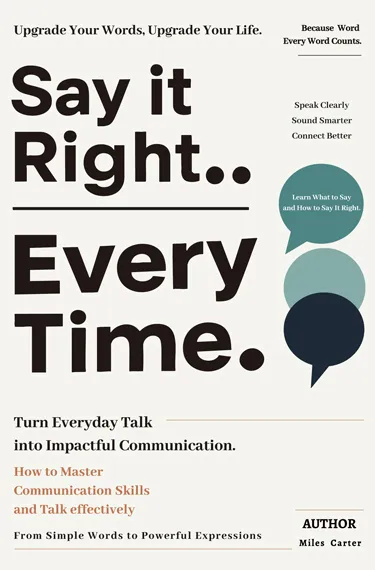
Say it Right..Every Time.
Miles CarterPractical communication tools for the moments that matter — say what you mean, calmly and confidently.
How to Win Friends and Influence People by Dale Carnegie
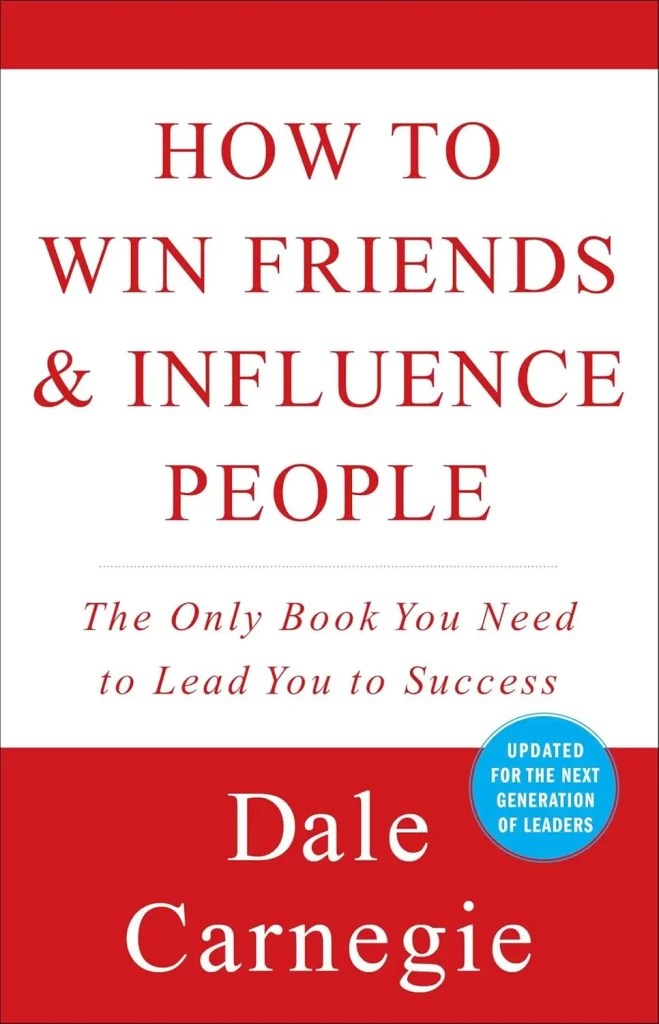
Best for understanding what makes people feel valued
Communication is not only about sharing information. It is also about creating positive connections with others.
How to Win Friends and Influence People explores timeless principles of human interaction, including listening, showing appreciation, and understanding different perspectives.
The book highlights an important idea: people are more likely to connect with those who make them feel respected and understood.
Its lessons remain valuable for anyone who wants to improve everyday conversations and build stronger relationships.
Crucial Conversations by Kerry Patterson, Joseph Grenny, Ron McMillan, and Al Switzler
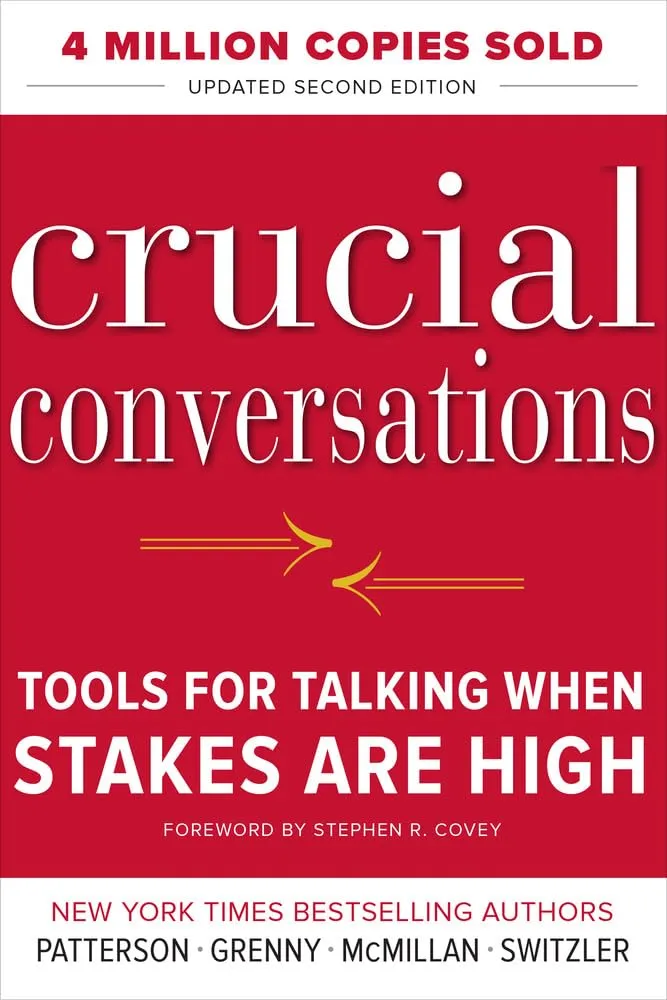
Best for communicating during difficult situations
Some conversations are challenging because emotions are high and the topic matters deeply.
Crucial Conversations focuses on how people can handle sensitive discussions while maintaining respect and keeping communication productive.
The book provides strategies for expressing opinions, managing emotional reactions, and finding solutions when people have different perspectives.
It is especially useful for anyone who wants to become more comfortable with difficult conversations instead of avoiding them.
Nonviolent Communication by Marshall B. Rosenberg

Best for expressing feelings and needs more effectively
Many conflicts happen because people communicate frustration instead of explaining what they actually need.
Nonviolent Communication introduces a framework for expressing observations, feelings, needs, and requests in a way that encourages understanding.
The book helps readers recognize how language can either create connection or create distance. Its approach is especially helpful for improving emotional conversations in personal relationships.
Just Listen by Mark Goulston
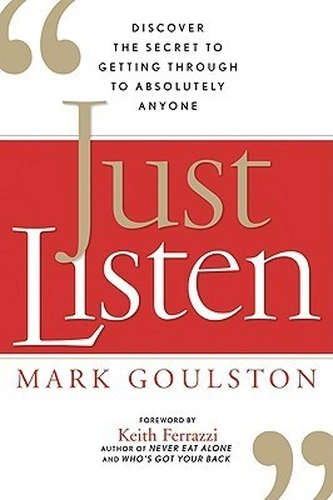
Best for becoming a more effective listener
Communication is not only about speaking clearly. Listening plays an equally important role.
Just Listen explores the psychology behind conversations and explains why people sometimes become defensive, resistant, or disconnected during discussions.
The book focuses on understanding emotional reactions and creating conversations where people feel genuinely heard.
For anyone who wants to improve their ability to connect with others, learning how to listen more effectively is an essential communication skill.
Never Split the Difference by Chris Voss
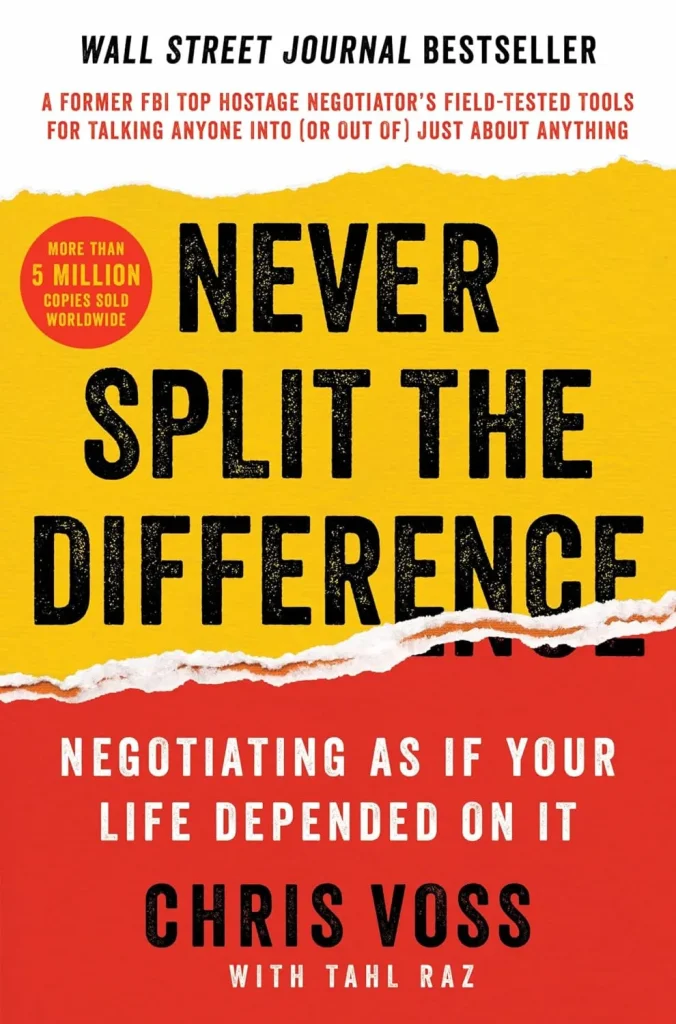
Best for communication when interests and opinions differ
Communication becomes more difficult when people want different outcomes.
Never Split the Difference focuses on negotiation, but many of its principles apply to everyday conversations. The book explores emotional awareness, active listening, and understanding another person’s perspective.
Its lessons can help readers approach challenging conversations with more patience and better awareness.
The Charisma Myth by Olivia Fox Cabane
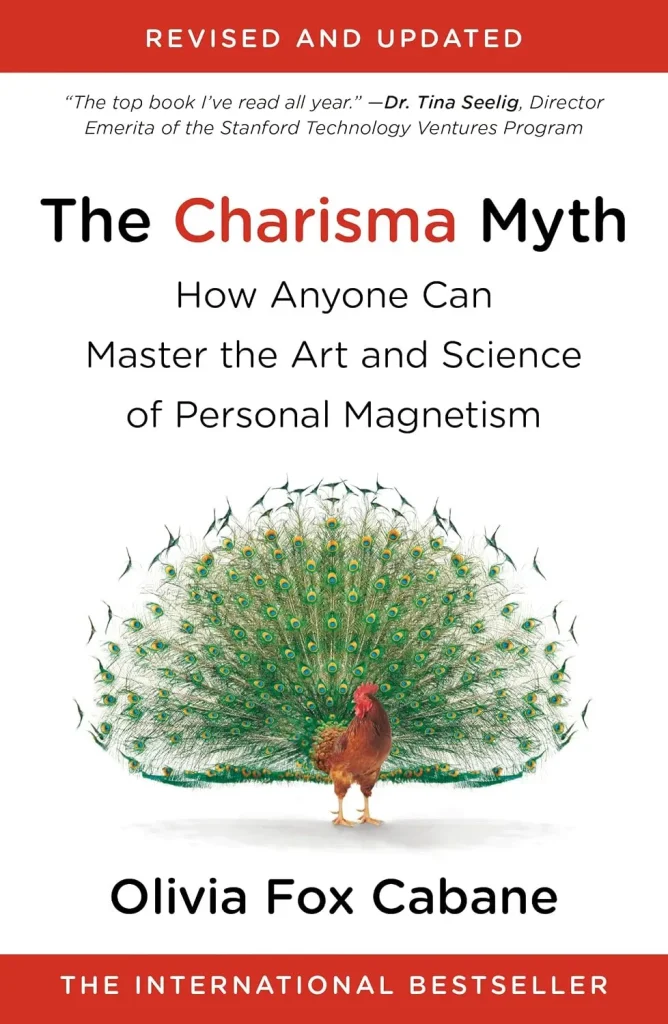
Best for improving confidence in social interactions
The way people communicate is influenced by more than their words.
Confidence, presence, and the ability to make others feel comfortable all play a role in successful interactions.
The Charisma Myth explores how communication presence can be developed through practical habits. It is useful for readers who want to feel more confident when speaking with others.
Why Improving Communication Changes Relationships
Communication affects the quality of almost every relationship.
When people communicate clearly, they are more likely to understand each other’s needs, solve problems effectively, and build trust over time. When communication breaks down, even small issues can become larger conflicts.
Improving communication does not mean avoiding every disagreement. Healthy relationships still involve different opinions and difficult moments. The difference is that stronger communication creates a better foundation for handling those challenges.
The Goal Is Understanding, Not Just Speaking
Many people focus on improving what they say but forget that communication is a two-way process.
A meaningful conversation requires both expression and understanding. It involves sharing thoughts clearly while also paying attention to how another person experiences the conversation.
Small Communication Changes Create Better Results
Becoming a better communicator often starts with small adjustments:
- Taking time to think before responding
- Asking questions instead of making assumptions
- Paying attention to emotional reactions
- Choosing words that create understanding
Over time, these habits can completely change the way people interact with others.
Why Say It Right Every Time by Miles Carter Is Worth Reading
Many communication books focus on specific areas such as negotiation, persuasion, or social confidence. Say It Right Every Time by Miles Carter focuses on something more fundamental: improving the everyday conversations that shape our relationships.
The book explores why people are sometimes unable to express what they truly mean and how communication habits influence the way others respond.
For readers who want to learn how to improve the way they communicate, this book provides a practical approach to becoming clearer, more thoughtful, and more effective in conversations.
Instead of suggesting that great communication is something people are simply born with, Say It Right Every Time presents communication as a skill that can be developed through awareness and practice.
Final Thoughts
Communication is one of the most important skills people can continue improving throughout life.
The way we speak, listen, and respond influences our relationships, our work, and the way others understand us. Better communication does not come from using complicated words; it comes from creating genuine understanding.
If you want to improve the way you communicate and build stronger connections with others, Say It Right Every Time by Miles Carter offers practical insights into becoming a more intentional and effective communicator.