Stress and anxiety can affect much more than your mood. They can influence how you make decisions, communicate with other people, sleep at night, and respond to everyday challenges. Sometimes the problem is a demanding situation that needs to be addressed, but other times the stress continues because the mind has become accustomed to worrying, anticipating problems, or replaying difficult experiences. Reading the right books can provide a useful opportunity to step back, understand these patterns, and consider new ways of responding.
If you are looking for self help books for anxiety, there is no single approach that works for everyone. Some books focus on anxious thought patterns, while others explore mindfulness, self-compassion, stress, or emotional resilience. These seven titles offer different perspectives for adults who want to better understand their mental and emotional habits.
Break the Anxiety Circle by Miles Carter
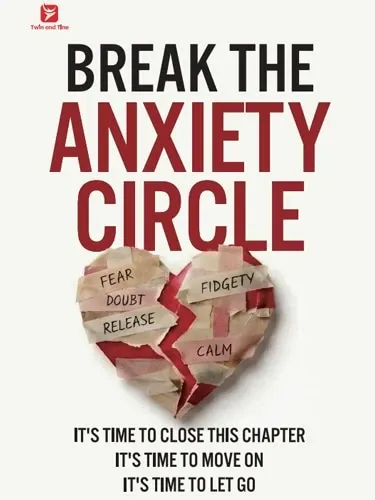
Best for understanding anxiety cycles and overthinking
Anxiety can become especially difficult when thoughts begin to repeat themselves.
A concern appears.
You analyze it.
The analysis creates another concern.
Then you start analyzing that concern.
Eventually, the original problem may become much larger in your mind than it was when it first appeared.
Break the Anxiety Circle by Miles Carter focuses on recognizing these recurring patterns and understanding how anxiety and overthinking can reinforce each other.
The book explores:
- Repetitive anxious thoughts
- Emotional triggers
- Overthinking patterns
- Healthier responses to stress
- Greater emotional awareness
For adults who often feel mentally trapped in cycles of worry, the book provides a useful framework for examining what happens inside the mind when anxiety takes over.
Break the Anxiety Circle
Miles CarterA mental reset for people trapped in the overthinking loop. Understand why your mind won’t stop racing — and how to break free from anxiety, people-pleasing, and emotional exhaustion.
The Anxiety and Phobia Workbook by Edmund J. Bourne
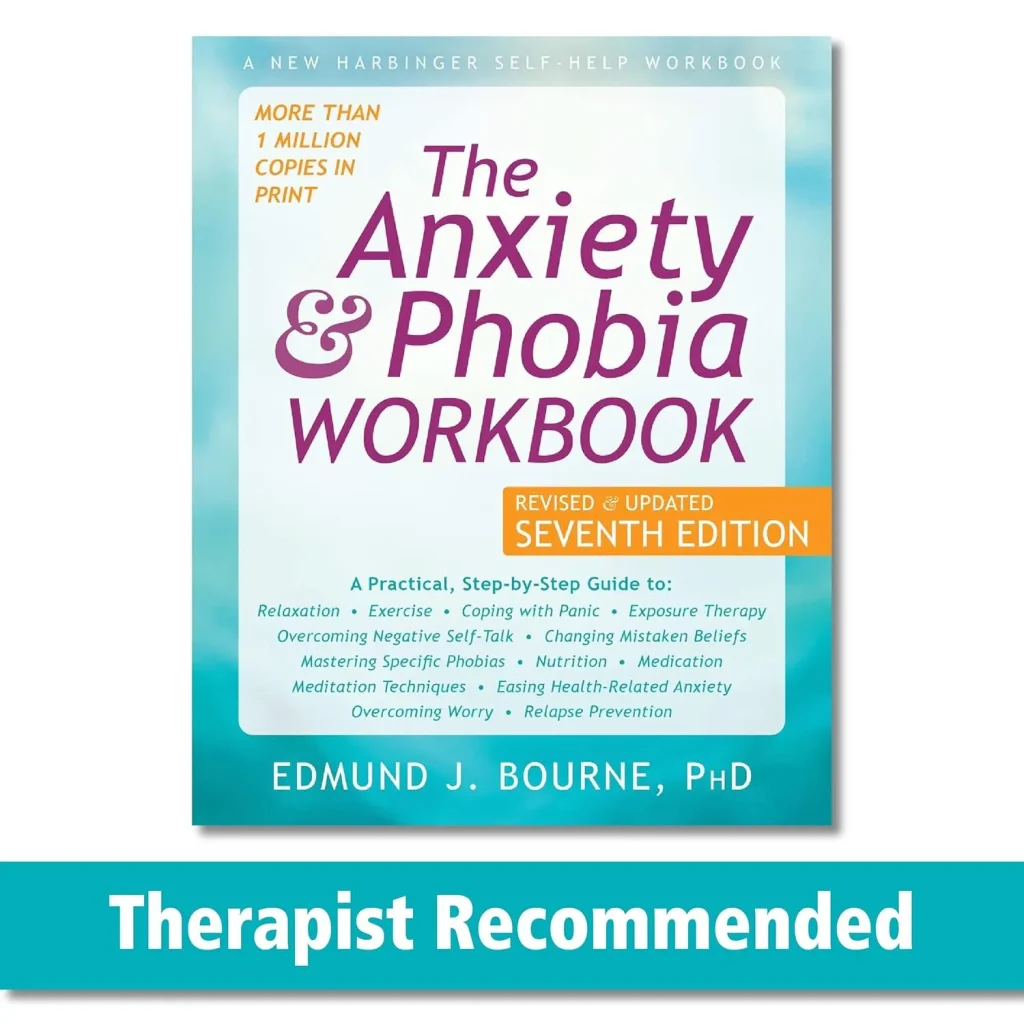
Best for readers who prefer practical exercises
Understanding anxiety is one thing.
Knowing what to do when anxiety appears is another.
The Anxiety and Phobia Workbook takes a hands-on approach, offering exercises and strategies related to anxiety, fears, relaxation, and coping.
Its practical format can be useful for readers who want to actively work through their experiences rather than simply read about them.
The book covers areas including:
- Identifying anxiety triggers
- Relaxation techniques
- Managing anxious reactions
- Changing unhelpful thought patterns
- Developing healthier coping strategies
Atomic Habits by James Clear
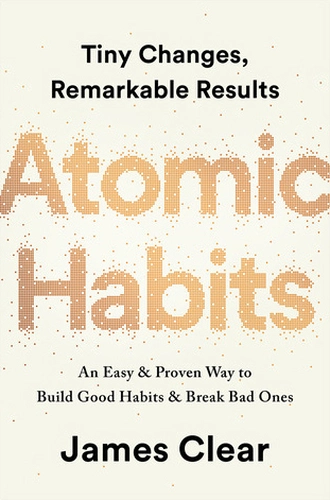
Best for understanding how small habits influence daily life
Not every anxiety problem can be solved through habits, but daily routines can influence how we respond to stress.
Atomic Habits explores how small behaviors accumulate over time and how changing the systems around us can make new habits easier to maintain.
Although it is not specifically an anxiety book, its ideas can be relevant for people whose stress is connected to disorganized routines, avoidance, inconsistent self-care, or difficulty maintaining healthy behaviors.
The book encourages readers to focus on small, repeatable changes rather than relying entirely on motivation.
The Gifts of Imperfection by Brené Brown

Best for people struggling with perfectionism
Sometimes anxiety comes from the belief that we need to do everything correctly.
We need to make the perfect decision.
We cannot disappoint anyone.
We should always perform at our best.
The Gifts of Imperfection explores how perfectionism, shame, vulnerability, and self-acceptance can influence the way people experience their lives.
For adults who are constantly judging themselves or setting impossible standards, the book offers a different perspective.
Learning to accept imperfection can reduce some of the pressure that contributes to chronic self-criticism.
The Mindful Way Through Anxiety by Susan M. Orsillo and Lizabeth Roemer
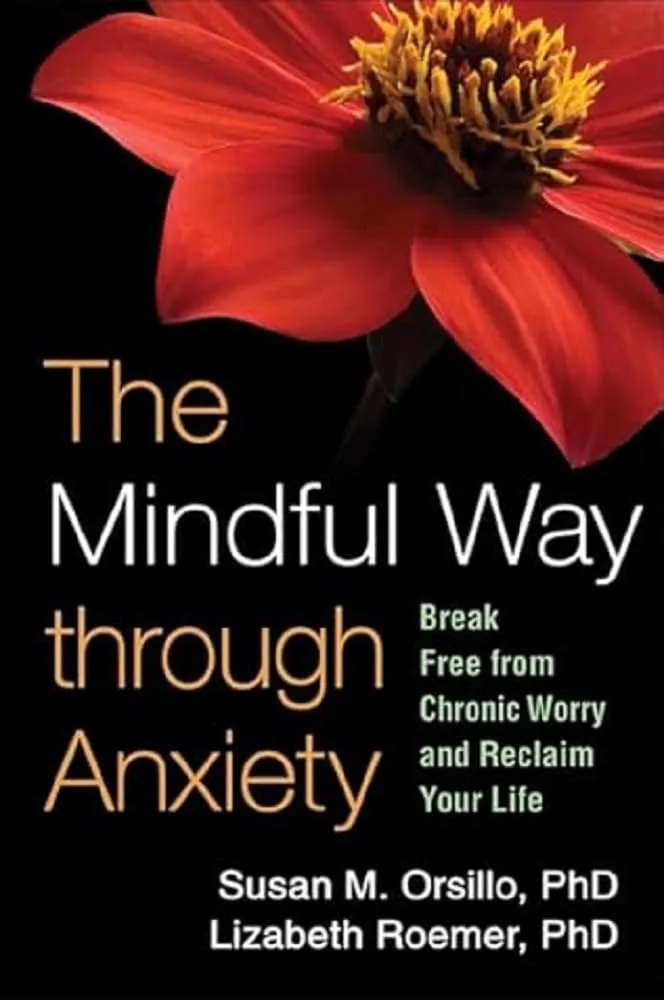
Best for developing a more mindful relationship with anxiety
Trying to force anxiety away can sometimes make it more noticeable.
The Mindful Way Through Anxiety introduces mindfulness-based ideas that encourage readers to observe difficult thoughts and feelings without automatically reacting to them.
The approach emphasizes:
- Present-moment awareness
- Recognizing anxious thoughts
- Accepting emotional experiences
- Reducing automatic reactions
- Developing psychological flexibility
This can be particularly useful for people who spend much of their time worrying about what might happen next.
Burnout by Emily Nagoski and Amelia Nagoski
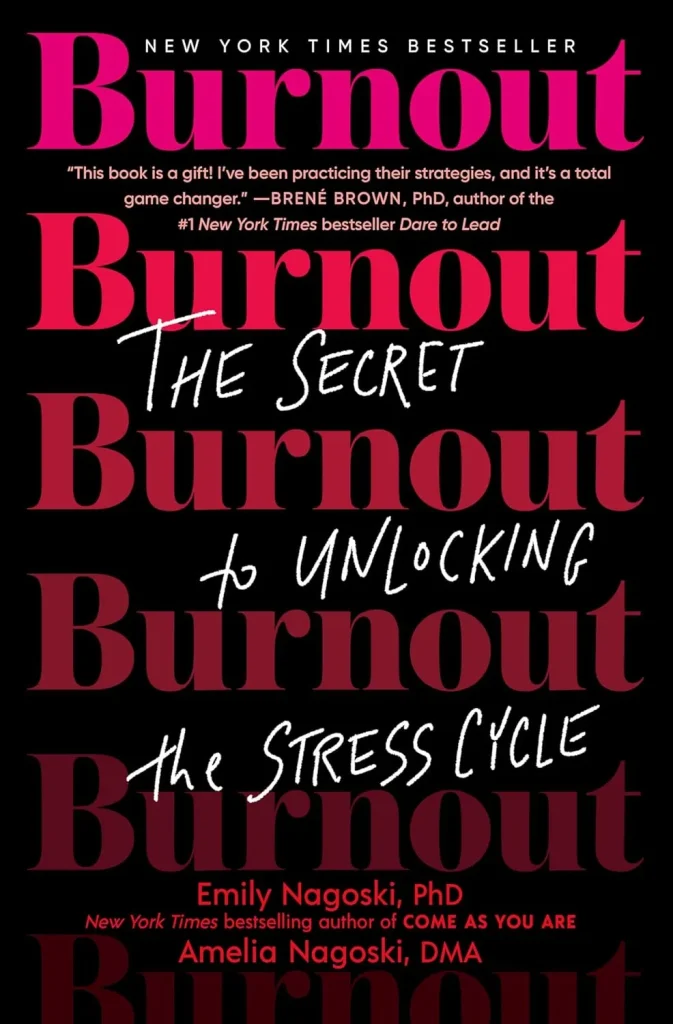
Best for understanding prolonged stress and exhaustion
Stress does not always disappear when the stressful event ends.
Sometimes the body continues to feel tense even after the situation has changed.
Burnout explores the stress response and the ways prolonged pressure can affect emotional and physical well-being.
The book discusses:
- The stress cycle
- Emotional exhaustion
- Recovery
- Rest
- Connection and support
For people who feel constantly “on,” understanding the relationship between stress and recovery can provide a useful perspective.
Don’t Believe Everything You Think by Joseph Nguyen
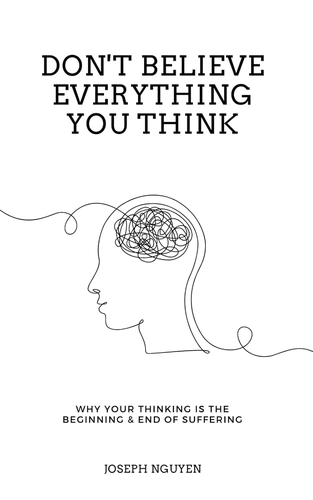
Best for questioning the thoughts that create unnecessary worry
One reason anxiety feels convincing is that thoughts can sound like facts.
“I am going to fail.”
“They must be angry with me.”
“Something bad will happen.”
These statements may feel real simply because they appear repeatedly.
Don’t Believe Everything You Think explores the idea that thoughts do not always represent reality.
This perspective can help readers create more distance from negative thinking and become less reactive to every thought that appears.
What These Books Teach About Anxiety
Although these books approach anxiety differently, several common themes appear.
Awareness Comes Before Change
You cannot easily change a pattern you do not recognize.
Understanding your triggers, thoughts, and emotional responses can provide a starting point for change.
Small Changes Can Matter
Emotional well-being is influenced by many everyday behaviors.
Sleep, movement, routines, relationships, self-talk, and the way you respond to stress can all play a role.
You Do Not Have to Believe Every Thought
An anxious thought can feel urgent without being accurate.
Learning to observe thoughts instead of immediately accepting them can create more room for deliberate responses.
How to Choose the Right Anxiety Book
The best book depends on the problem you are trying to understand.
For repetitive worry and overthinking:
Start with Break the Anxiety Circle.
For practical anxiety exercises:
The Anxiety and Phobia Workbook may be a better fit.
For perfectionism and self-criticism:
The Gifts of Imperfection offers a useful perspective.
For mindfulness:
The Mindful Way Through Anxiety provides a more awareness-based approach.
For stress and emotional exhaustion:
Burnout focuses on understanding the stress response and recovery.
For changing daily routines:
Atomic Habits provides a broader framework for building sustainable behaviors.
Why Break the Anxiety Circle Stands Out
Many people experiencing anxiety already know that they worry too much.
The harder question is understanding why the same worries keep coming back.
Break the Anxiety Circle by Miles Carter focuses specifically on the patterns behind anxious thinking and overthinking.
Instead of looking at every worry as an isolated event, the book encourages readers to recognize the larger cycle.
That makes it particularly relevant for adults who find themselves repeatedly analyzing conversations, decisions, mistakes, or uncertain situations.
Final Thoughts
There is no universal approach to managing stress and anxiety.
Different people may benefit from different perspectives, whether that means learning practical coping techniques, developing healthier habits, practicing mindfulness, or understanding repetitive thought patterns.
These seven books provide several ways to explore the subject.
If your biggest challenge is feeling caught in recurring cycles of worry and overthinking, Break the Anxiety Circle by Miles Carter is a valuable place to begin.