Overthinking can make your mind feel like it never gets a break.
You may replay conversations, question your decisions, imagine negative outcomes, or spend hours analyzing situations that have already happened.
While careful thinking can help you solve problems, constant overthinking can create stress, anxiety, and emotional exhaustion.
The goal is not to stop thinking completely.
The goal is to learn how to recognize unhealthy thought patterns and create a calmer relationship with your thoughts.
Here are 7 ways to stop overthinking before it takes over your mind.
1. Recognize When You Are Stuck in an Overthinking Cycle
The first step to changing overthinking is noticing when your thoughts become repetitive.
Many people do not realize they are trapped in a mental loop until they feel overwhelmed.
Common signs include:
- Replaying the same situation repeatedly
- Worrying about possible future problems
- Questioning every decision
- Looking for answers that do not exist
Awareness allows you to interrupt the cycle before it becomes stronger.
2. Focus on What You Can Control
Overthinking often happens when your mind tries to solve situations that are uncertain or impossible to control.
Instead of asking:
“Why did this happen?”
or:
“What if everything goes wrong?”
try asking:
“What can I do right now?”
Redirecting your attention toward action can reduce unnecessary worry.
3. Challenge Negative Thoughts
Not every thought that enters your mind represents reality.
An anxious mind can quickly create assumptions:
- “Something bad will happen.”
- “I probably made the wrong choice.”
- “People must think negatively about me.”
Before accepting these thoughts, ask yourself:
- Is this based on facts?
- Am I imagining the worst outcome?
- Is there another explanation?
Learning to question your thoughts can help you develop a healthier mindset.
4. Stop Searching for Perfect Answers
Many people overthink because they want complete certainty.
They want to make the perfect decision.
They want to avoid every mistake.
But waiting for perfect answers often creates more anxiety.
Sometimes progress comes from accepting that you have enough information and moving forward.
5. Create Space Between Your Thoughts and Emotions
A thought is not always a fact.
When emotions become intense, it can feel like every worry is true.
Creating a pause between your thoughts and reactions can help you respond more calmly.
Helpful practices include:
- Writing your thoughts down
- Taking a short walk
- Practicing deep breathing
- Giving yourself time before reacting
Small pauses can create more emotional control.
6. Build Daily Habits That Calm Your Mind
Your everyday habits influence how your brain responds to stress.
Some habits that support a calmer mind include:
- Getting enough sleep
- Exercising regularly
- Spending less time consuming stressful content
- Practicing mindfulness
- Creating quiet moments during the day
A calmer lifestyle can make anxious thoughts easier to manage.
7. Understand Why You Overthink in the First Place
Stopping overthinking is not only about controlling your thoughts.
It is also about understanding where those thoughts come from.
Many people overthink because of:
- Fear of failure
- Fear of rejection
- The need for approval
- Past negative experiences
- A desire to control uncertain situations
When you understand the reason behind your thought patterns, you can begin changing them.
A Book That Helps You Break the Anxiety Cycle

Learning techniques to stop overthinking can help, but understanding why your mind keeps returning to the same worries can create deeper change.
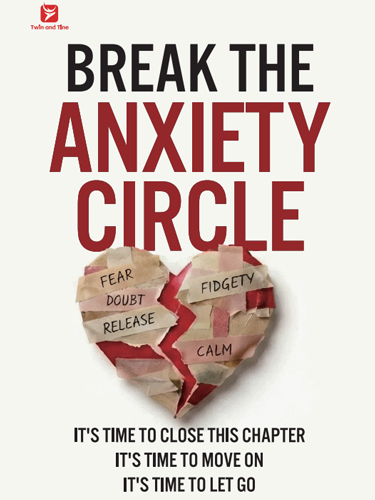
Break the Anxiety Circle by Miles Carter focuses on the patterns behind anxiety and repetitive thinking.
The book explores how anxious cycles develop and how people can become more aware of the thoughts and emotional reactions that keep them stuck.
Readers can gain insights into:
- Understanding repeated anxious thoughts
- Recognizing unhealthy mental patterns
- Building greater self-awareness
- Creating a healthier relationship with uncertainty
For anyone who feels trapped in constant worrying or overanalysis, this book provides a deeper perspective on breaking the patterns that fuel anxiety.
Why Read Break the Anxiety Circle by Miles Carter?
This book may be helpful for readers who:
- Feel stuck in cycles of overthinking
- Frequently expect negative outcomes
- Struggle to quiet their mind
- Want to understand their emotional patterns
- Are looking for personal growth strategies
Instead of only focusing on temporary solutions, Break the Anxiety Circle by Miles Carter encourages readers to explore the deeper reasons behind anxious thinking.
Does this sound like you? There’s more to explore.
Explore the Collection →Awakening to Human Nature

Break the Anxiety Circle
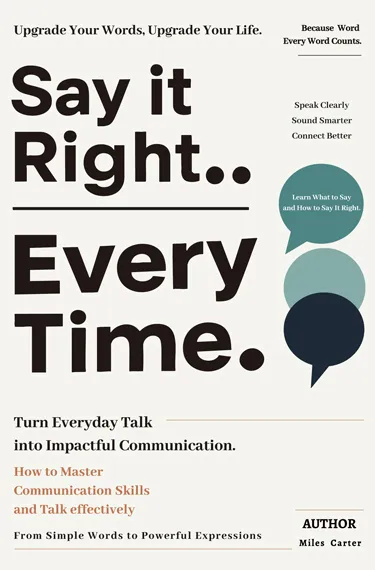
Say it Right..Every Time.
The Parent You Aspire to Be

Final Thoughts
Overthinking can feel like a habit that is impossible to change.
But thoughts are patterns, and patterns can be changed.
By becoming more aware of your mind, challenging negative assumptions, and creating healthier habits, you can gradually build a calmer and more balanced way of thinking.
For readers who want to understand the deeper causes of anxiety and repetitive thoughts, Break the Anxiety Circle by Miles Carter offers valuable insights into breaking the cycle and creating lasting change.