Self-discovery is about more than figuring out what you want from life. It also means understanding why you react a certain way, which habits hold you back, and what matters to you beneath other people’s expectations.
These self-discovery books approach the process from different angles, including emotional patterns, personality, family relationships, personal beliefs, and everyday choices. Each offers a different starting point for getting to know yourself better.
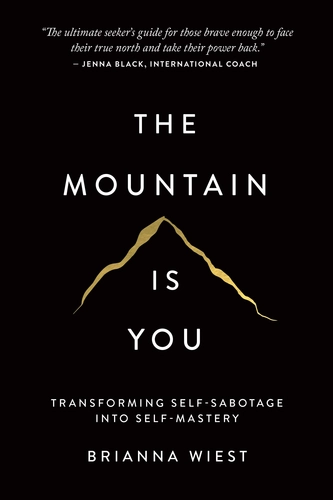
1. The Mountain Is You by Brianna Wiest
Best for: Recognizing self-sabotaging patterns
Sometimes, you know what you want but keep doing things that move you further away from it. You put off important decisions, return to familiar situations that make you unhappy, or abandon your plans just as progress begins.
The Mountain Is You looks at the emotional patterns behind self-sabotage. Brianna Wiest encourages readers to examine the fears, unmet needs, and familiar behaviors that can keep them stuck. It is a useful choice if you want to understand why certain patterns keep repeating, even when you genuinely want to change.
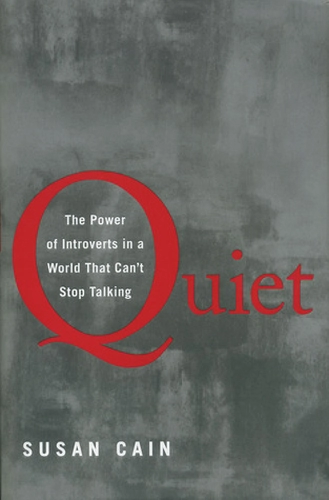
2. Quiet by Susan Cain
Best for: Understanding your personality and social needs
Do you need time alone to recharge, prefer listening over speaking, or feel drained by constant social interaction? These preferences do not necessarily mean you lack confidence or social skills.
In Quiet, Susan Cain examines introversion and the ways society often favors more outwardly expressive personalities. The book helps readers reconsider how they understand their own temperament instead of measuring themselves against someone else’s ideal. It is especially relevant if you have spent years trying to become more outgoing without understanding what actually suits you.
3. 777 Little Moments in My Life by Grace Willow
Best for: Exploring your emotions, experiences, and personal values
It can be surprisingly difficult to describe who you are without falling back on familiar labels. You might know what you do every day but have a harder time explaining what hurt you, what you value, or why certain experiences still matter.
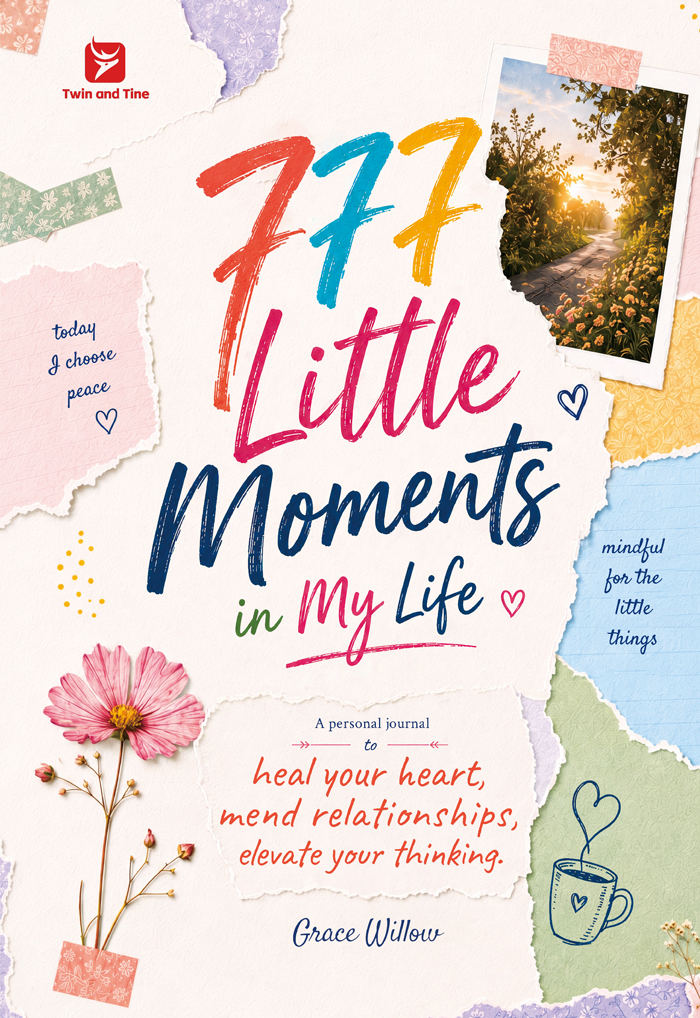
777 Little Moments in My Life uses guided prompts to help readers reflect on personal experiences, emotional memories, relationships, preferences, and everyday moments. Rather than asking you to arrive at one big answer about yourself, it gives you questions to work through at your own pace. It may suit readers who find it easier to discover their thoughts through writing than through open-ended reflection.
777 Little Moments in My Life
Grace Willow777 prompts to unpack old wounds, release buried emotions, and understand yourself more deeply.
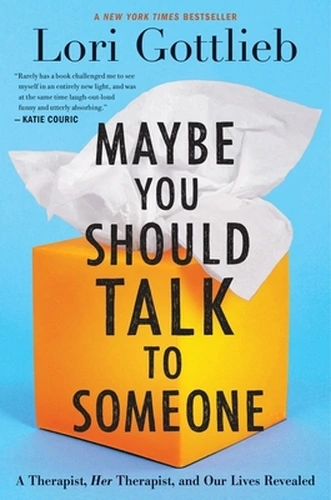
4. Maybe You Should Talk to Someone by Lori Gottlieb
Best for: Seeing your emotional patterns from another perspective
Understanding yourself is not always straightforward. You may have a clear explanation for your choices while overlooking the fears or assumptions influencing them.
In Maybe You Should Talk to Someone, therapist Lori Gottlieb shares stories from her work with clients alongside her own experience as a patient. These perspectives show how people struggle with relationships, loss, change, and the stories they tell themselves. The book offers a human, often humorous look at the gap between how we see ourselves and what we may need to recognize.
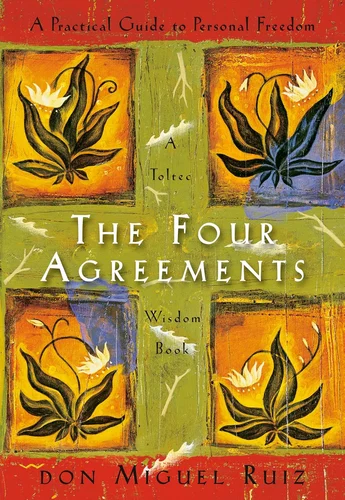
5. The Four Agreements by Don Miguel Ruiz
Best for: Questioning beliefs that shape your reactions
A passing comment can ruin your day. A small mistake can make you question your worth. Sometimes, what hurts most is not the event itself but the meaning you attach to it.
The Four Agreements explores how learned beliefs and assumptions influence the way people interpret the world. Don Miguel Ruiz presents four principles centered on how you use words, interpret others’ behavior, and judge yourself. Its simple framework can help you notice when your reactions are shaped by expectations or assumptions rather than by what actually happened.
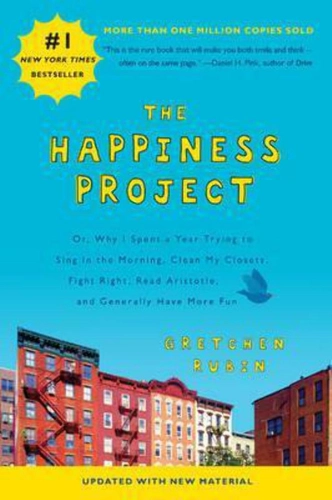
6. The Happiness Project by Gretchen Rubin
Best for: Discovering what makes everyday life feel fulfilling
It is easy to assume that you should want the same things that make other people happy. But the routines, relationships, and ambitions that look successful from the outside may not fit your own preferences.
In The Happiness Project, Gretchen Rubin documents a year spent experimenting with practical changes to her daily life. Her approach encourages readers to pay attention to what improves their mood, strengthens relationships, and makes ordinary routines more satisfying. It is less about finding one universal formula for happiness and more about noticing which choices genuinely work for you.
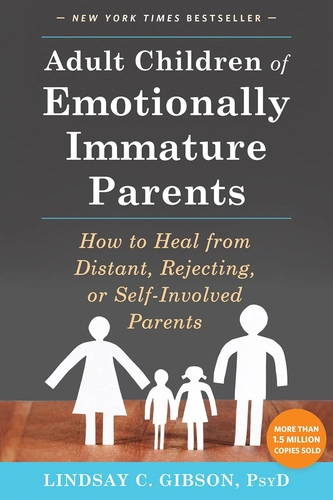
7. Adult Children of Emotionally Immature Parents by Lindsay C. Gibson
Best for: Understanding how family dynamics affect you
Some people find themselves constantly explaining their feelings, avoiding conflict, or feeling responsible for other people’s reactions. These habits can become so familiar that it is difficult to recognize where they began.
Lindsay C. Gibson examines emotionally immature behavior in parents and how family dynamics can shape adult relationships and self-perception. The book can help readers reflect on patterns such as suppressing their needs, seeking approval, or struggling to establish boundaries. Its value lies in giving readers a framework for understanding these experiences, not in assuming that every difficult family relationship fits the same explanation.
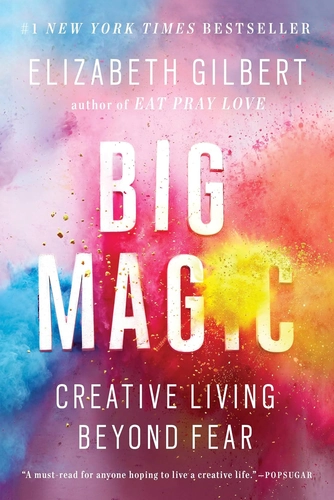
8. Big Magic by Elizabeth Gilbert
Best for: Reconnecting with your curiosity and creative interests
You do not have to be a professional artist to lose touch with the things that interest you. Sometimes, the fear of failure or judgment makes you stop exploring before you discover what you enjoy.
In Big Magic, Elizabeth Gilbert examines creativity, curiosity, and the fears that can prevent people from pursuing ideas. The book encourages readers to approach creative interests with less pressure to prove themselves. It can be a helpful starting point if you want to rediscover what excites you, especially if you have spent a long time prioritizing practicality or other people’s expectations.
Getting to know yourself does not require one defining breakthrough. Sometimes, it begins with recognizing a repeated reaction, questioning an old belief, or paying attention to something you have ignored for years. The best book to start with is the one that speaks to the part of yourself you are most ready to understand.

