A simple question appears:
“Did I say the wrong thing?”
Then another thought follows:
“What if they misunderstood me?”
“What if I made a mistake?”
“What if something goes wrong?”
Before you realize it, a small concern becomes a long conversation inside your mind.
Overthinking often starts with the desire to find an answer.
We want certainty.
We want to avoid mistakes.
We want to feel prepared.
But sometimes, instead of helping us solve problems, our thoughts create a cycle that leaves us feeling more anxious and exhausted.
The challenge is not having thoughts.
Everyone thinks.
The challenge is knowing when thoughts are helping us and when they are keeping us trapped.
Understanding this difference is the first step toward breaking the cycle.
Why Do We Keep Overthinking Everything?
The human brain naturally looks for patterns and possible risks.
This ability helps us prepare for challenges.
However, when uncertainty feels uncomfortable, the mind may continue searching for answers that do not exist.
A conversation gets replayed again and again.
A future decision becomes overwhelming.
A small mistake feels much bigger than it actually is.
This is how anxiety loops form.
The mind believes it is protecting you, but the constant analysis can leave you feeling mentally drained.
Break the Anxiety Circle: Understanding the Pattern Behind Your Thoughts
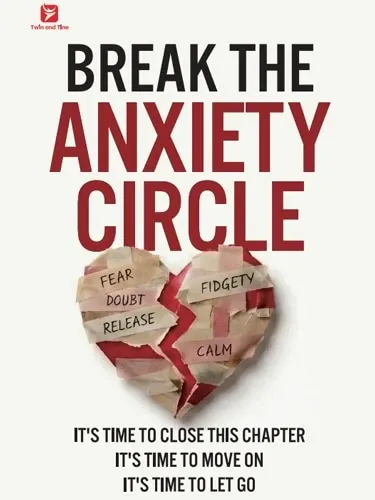
Break the Anxiety Circle focuses on one important idea:
You cannot change a thought pattern you do not understand.
Instead of simply telling readers to “stop worrying,” the book explores why anxious thoughts repeat and how emotions influence the way we interpret situations.
It helps readers recognize:
- Why certain worries keep coming back
- How thoughts and emotions create patterns
- How to respond differently to stressful situations
- How to develop greater emotional awareness
The goal is not to eliminate every negative thought.
The goal is to build a healthier relationship with your thoughts.
This Book Is Especially Helpful For People Who:
- Overanalyze conversations after they happen
- Feel stuck between different choices
- Worry about things that have not happened yet
- Struggle to relax because their mind is always active
- Want to understand their emotional patterns
Many people who overthink are not lacking intelligence or awareness.
In fact, they often care deeply and notice details others miss.
The problem begins when thinking turns into a constant search for certainty.
Learning to Step Outside the Anxiety Loop
Breaking an anxiety cycle does not mean becoming someone who never worries.
Life will always include uncertainty.
The goal is learning how to pause before automatically following every thought.
Small changes can make a difference:
Notice your thoughts without immediately believing them.
Give yourself time before reacting emotionally.
Focus on what you can control instead of everything that could go wrong.
With practice, the mind can become a helpful tool instead of a source of constant stress.
Final Thoughts
Overthinking can make you feel like you are trapped inside your own thoughts.
But thoughts are not always facts.
Learning to understand anxiety patterns can help you create more space, clarity, and emotional balance.
For anyone who wants to better understand their inner world and break repetitive worry cycles, Break the Anxiety Circle offers practical insights into creating a calmer mindset.
FAQ
Why do I overthink everything?
Overthinking often happens when the brain tries to find certainty, avoid mistakes, or protect you from possible problems.
Can reading books help with anxiety and overthinking?
Books cannot replace professional support when needed, but they can provide knowledge, reflection, and practical strategies for managing everyday anxiety.
How can I stop an anxiety loop?
Start by recognizing repeated thought patterns, creating distance from anxious thoughts, and focusing on actions you can control.