Have you ever finished a conversation and thought:
“Why did I say that?”
“I wanted to explain myself, but it came out wrong.”
“Why do some people always seem to know the right words?”
Communication problems are rarely just about vocabulary.
Sometimes the challenge is knowing how to express emotions, understand other people’s perspectives, and respond in a way that creates connection instead of conflict.
Good communication is a skill.
And like any skill, it can be improved through awareness and practice.
These two books explore different sides of communication: one focuses on everyday conversations and emotional expression, while the other explores how to build positive relationships with others.
Say It Right Every Time
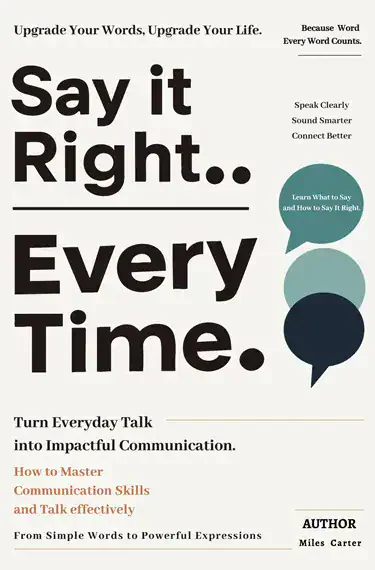
Many communication problems happen because people focus only on what they want to say, not how their words are received.
Say It Right Every Time focuses on helping readers communicate with more clarity, confidence, and emotional awareness.
The book explores practical ways to:
- Express thoughts without creating unnecessary conflict
- Choose words that encourage better conversations
- Handle difficult discussions more effectively
- Understand how emotions influence communication
Whether it is a conversation with a partner, friend, colleague, or family member, the way we communicate shapes the quality of our relationships.
This book is especially helpful for people who often struggle with:
- Saying what they truly feel
- Setting boundaries
- Avoiding misunderstandings
- Communicating during emotional situations
Better communication is not about always saying the perfect thing.
It is about learning how to create understanding.
How to Win Friends and Influence People by Dale Carnegie
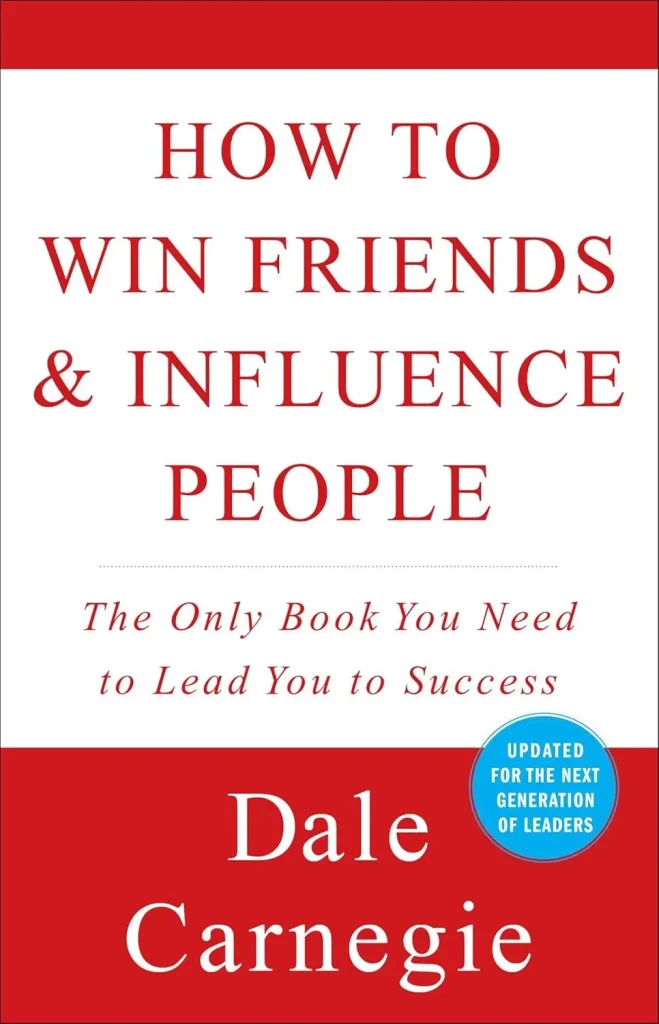
First published nearly a century ago, How to Win Friends and Influence People remains one of the most recognized books about human interaction.
The book focuses on timeless principles such as:
- Showing genuine interest in others
- Listening more effectively
- Building trust through respect
- Understanding human motivations
While communication styles have changed over time, the basic need to feel respected and understood has not.
This book is useful for anyone who wants to improve relationships, workplace interactions, and social confidence.
What Makes Communication More Effective?
Strong communication is not only about speaking.
It also involves:
- Listening carefully
- Understanding emotions
- Choosing the right timing
- Respecting different perspectives
Many conflicts happen because people are trying to prove their point instead of trying to understand each other.
Small changes in communication habits can create significant improvements in relationships.
How to Improve Your Communication Skills
You do not need to completely change your personality to become a better communicator.
Start with simple practices:
Pause before responding
Taking a moment before replying can prevent emotional reactions and unnecessary misunderstandings.
Be clear about your feelings
Instead of blaming others, try expressing your experience.
For example:
Instead of:
“You never listen to me.”
Try:
“I feel unheard when I’m not able to finish explaining.”
Pay attention to how others receive your words
Communication is not only about your intention.
It is also about the impact your words create.
Why Communication Skills Matter in Everyday Life
Communication affects almost every relationship we have.
It influences:
- Romantic relationships
- Friendships
- Workplace collaboration
- Family connections
People who communicate well are not necessarily people who always know what to say.
They are people who understand that every conversation is an opportunity to create trust.
Final Thoughts
Improving communication is a lifelong process.
The goal is not to become someone who never makes mistakes.
It is to become someone who can express thoughts clearly, understand others better, and handle conversations with more confidence.
For readers who want to improve everyday communication, Say It Right Every Time provides practical guidance for developing stronger conversations and healthier relationships.
Together with timeless communication principles from How to Win Friends and Influence People, these books offer valuable insights into becoming a more thoughtful and effective communicator.