I still remember the first time I thought I was dying.
I was sitting at my desk, answering emails like any normal Tuesday. Then my heart started racing. Not the “I’m nervous” kind of racing. The kind where you can feel it pounding in your ears. My chest tightened. My hands went numb. I couldn’t catch my breath.
I honestly thought I was having a heart attack.
I called my doctor. I Googled “anxiety attack symptoms” about seventeen times. I sat in the bathroom trying to breathe, convinced something was seriously wrong. It took me three more episodes before I finally understood what was happening.
If you’re reading this because you’ve been feeling something similar, let me save you some time. You’re probably not dying. You’re probably experiencing an anxiety attack. And there are things you can do about it.
Quick Answer: What are the most common anxiety attack symptoms, and how can I stop them?
Anxiety attack symptoms include racing heart, shortness of breath, chest tightness, dizziness, sweating, shaking, and a sense of dread. You can stop them by grounding yourself in the present moment, slowing your breathing, and reminding yourself that the feeling will pass—it always does.
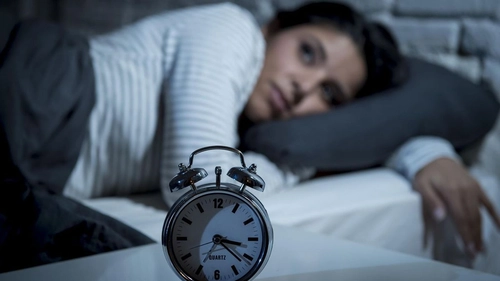
What Anxiety Attack Symptoms Actually Feel Like
Here’s the thing about anxiety attacks. They feel different for everyone, but there’s a pattern. A really scary one.
One person described it this way: “It felt like the world was collapsing or spinning around me. The roof of her mouth and tips of her fingers started tingling, then became numb. Her cheeks and chest felt hot. Her breathing quickened, until it felt like she was breathing at five times her normal rate.” She was 17, a new driver who got lost on a detour. That was her first one.
A friend of mine, Kris, told me her anxiety attacks feel like “drowning in a slow-motion marathon race.” Her stomach twists into knots, her hands shake, her chest tightens, her face flushes “red hot.” She says it becomes hard to form simple sentences or “break free from my ruminating, negative thoughts.”
Another person I came across described it like this: “I couldn’t breathe, I couldn’t move, and I started crying. My heart beats really fast, like it wants to pop out of my chest, I get sweaty, and my mind starts racing.”
A man named Carl, who had his first one at work, said he “sincerely feared that I was at risk of keeling over and dying in the gutter.” He called an ambulance. He was fine—it was an anxiety attack.
And here’s the thing that really hit me. One person wrote: “The symptoms of a panic attack are not dangerous, but they can be very frightening. They can make you think that something catastrophic is just about to happen. They can even feel as though you’re having a heart attack, or that you’re going to collapse or even die.”
Anxiety attacks are not actually recognized as a clinical term—the DSM doesn’t list them. But what people call an anxiety attack usually comes in response to a specific trigger: work stress, relationship issues, health worries. The symptoms build gradually, unlike a panic attack, which often hits out of nowhere and peaks within ten minutes.
But honestly? When you’re in the middle of one, you don’t care about the clinical distinction. You just want it to stop.
The Symptoms You Need to Recognize
According to mental health professionals, the warning signs of an anxiety attack include both physical and mental symptoms:
Physical symptoms:
- Racing or pounding heart
- Shortness of breath or feeling like you can’t breathe
- Chest pain or tightness
- Dizziness or lightheadedness
- Shaking or trembling
- Sweating
- Nausea
- Tingling or numbness in hands, fingers, or face
- Hot flashes or chills
Mental symptoms:
- Fear of dying or losing control
- Sense of impending doom
- Feeling detached from reality or yourself
- Racing, overwhelming thoughts
- Restlessness or feeling trapped
One person described it as “an intense fear that something awful is happening—like you’re losing control or even dying.”
A therapist named Heather Yassick says: “When someone is experiencing a panic attack, it is really distressing and can feel very disempowering.”
The NHS adds that panic attacks “usually have physical symptoms” like shaking, tingling, numbness, feeling disorientated, rapid heartbeat, shortness of breath, sweating, and “a feeling of dread or a fear of dying.” But they always pass. In most cases, they last between 5 and 30 minutes before going away.
What To Do When It Hits
Okay, so you’re in the middle of it. Your heart is racing. You can’t breathe. You’re convinced this is it.
Here’s what actually works.
1. Name it.
Say it out loud to yourself: “This is a panic attack. Not a heart attack. I am not dying.” One person said: “The symptoms of a panic attack are not dangerous, but they can be very frightening.” Naming it can break the spell. It takes your brain from “I’m dying” to “this is a thing my body does, and it will pass.”
A woman who wrote about her first panic attack said she was convinced she was having a heart attack. But she told herself: “This is just a panic attack. It is not life-threatening. You are not going to die. It will pass, and you will return to your baseline.”
2. Breathe, but not how you think.
A therapist at UR Medicine says taking a “deep breath” isn’t always the answer. Instead, focus on your exhale. “When we breathe out, our heart rate slows down a little. That’s where the calming effect comes in.”
Try the 4-7-8 method:
- Breathe in for 4 seconds
- Hold for 7 seconds
- Breathe out for 8 seconds
Or box breathing:
- Breathe in for 4 seconds
- Hold for 4 seconds
- Breathe out for 4 seconds
- Hold for 4 seconds
I’ve used box breathing myself. It feels silly at first. Then it works.
3. Ground yourself in the moment.
This is the 5-4-3-2-1 technique, and it saved me more times than I can count.
- 5 things you can see
- 4 things you can touch or feel
- 3 things you can hear
- 2 things you can smell
- 1 thing you can taste
Skye, who had her first anxiety attack at 17, says: “The effort it takes to go through this exercise works wonders for preventing and minimizing anxiety attacks.”
A therapist explains why this works: during an anxiety attack, the decision-making part of your brain goes offline and the fear-based part takes over. Grounding “helps to restore the prefrontal cortex function and expands your visual horizon.”
4. Use the BACK acronym.
If you’re feeling alone in what’s happening, try this approach from a licensed mental health counselor:
- Breath/Body – feel the breath in your body
- Acknowledge what you’re feeling
- Common humanity – everyone feels this way sometimes, and you’re not alone
- Kindness – think about what you need to be kind to yourself
“If you look at a situation with a group of people and think about how everyone knows what it’s like to be stressed or overworked, that compassionate intervention can have a really powerful effect,” Yassick says.
What Happens After
The aftermath of an anxiety attack can be just as hard as the attack itself.
One person who experienced their first panic attack wrote: “I felt absolutely spent–like what I imagine it would feel like to finish an ultramarathon. I felt like my energy was beyond depleted, and like I needed to sleep for a week straight.”
A friend of mine, Chad, says the exhaustion the next day is “uncanny. Your brain really makes your body pay for it.”
So after it passes, be gentle with yourself. Rest. Hydrate. Don’t try to “push through.” Your body just went through something intense. Give yourself time to recover.
When It Keeps Happening
If you’re having anxiety attacks regularly, you’re not alone. And there’s help.
A therapist can teach you coping strategies that target the root cause. One person with decades of experience with anxiety said: “The most powerful way to control panic attacks is by talking about it with a trusted person.” Another wrote: “talking about it with a trusted friend—just saying it out loud took away some of its power.”
If anxiety is “significantly impacting your life—your work, relationships, or physical health—it’s crucial to seek professional help,” says psychiatrist Catherine Cunningham, M.D.
Cognitive Behavioral Therapy (CBT) is one of the most effective approaches for managing anxiety. A person who overcame severe panic attacks shared: “My turning point came when I began working with an anxiety coach trained in CBT. He was calm and non-judgemental, helping me understand that these terrifying symptoms were normal bodily responses.”
They added: “With CBT and graduated exposure therapy, I started approaching my fears differently. Step by step, the fear softened.”
A Note on Anxiety vs. Panic
You might hear these terms used interchangeably. A psychiatrist explains the difference:
A panic attack is a clinical term. It comes on suddenly, often out of nowhere, with “an impending sense of doom” and very strong physical symptoms. It peaks within minutes and then subsides.
An anxiety attack isn’t a formal medical diagnosis. It’s what people call it when anxious feelings peak—often in response to a specific stressor. It can build gradually or come on fast, but it tends to be less intense than a panic attack and can last much longer.
But here’s the thing. When you’re in the middle of it, the label doesn’t matter. What matters is knowing what’s happening to your body and having tools to get through it.

Final Thoughts
If you’re reading this because you’ve been searching for “anxiety attack symptoms” at 2 a.m., heart pounding, convinced something is wrong, here’s what I need you to know.
That feeling you’re having? That’s your nervous system trying to protect you. It’s overcorrecting. But it’s not trying to hurt you.
And the anxiety attack symptoms you’re feeling—the racing heart, the shortness of breath, the sense of dread—they’re real. But they’re also temporary.
A therapist told someone: “Your heart is pounding, and the sun is shining. The fan is whirring, you can smell your coffee. You’re safe.”
You’ve made it through every single anxiety attack you’ve ever had. You’ll make it through this one too.
FAQ: Your Questions About Anxiety Attack Symptoms, Answered
Q: What is the difference between an anxiety attack and a panic attack?
A: A panic attack is a clinical term that comes on suddenly with intense symptoms and peaks within 10 minutes. An anxiety attack isn’t a formal diagnosis—it usually builds in response to a specific stressor and may last much longer.
Q: How long do anxiety attack symptoms last?
A: Most panic attacks last between 5 and 30 minutes. Anxiety attacks can last longer—even hours.
Q: Can an anxiety attack feel like a heart attack?
A: Yes. The physical symptoms—chest pain, racing heart, shortness of breath—can feel very similar. That’s why it’s always worth getting checked out, especially the first time. Once you know it’s anxiety, you can respond differently.
Q: What should I do if I’m having an anxiety attack at work or in public?
A: If possible, stay where you are until it begins to pass. Try grounding: notice things you can see, hear, and feel around you. Focus on slowing your exhale. Remind yourself: “This will pass. I’ve gotten through this before.”
Q: Should I avoid the things that trigger my anxiety attacks?
A: It’s natural to want to avoid triggers. But avoidance often makes anxiety worse over time. Gradually exposing yourself to feared situations, with support, is a more effective long-term strategy.
Q: When should I see a therapist?
A: If anxiety is interfering with your work, relationships, or daily life—or if panic attacks are happening regularly—it’s worth talking to a professional. CBT is highly effective and widely used for treating anxiety.
Q: What’s the fastest way to calm down during an anxiety attack?
A: Ground yourself using your senses (5-4-3-2-1) and slow down your breathing—especially your exhale. Remind yourself: “This is just an anxiety attack. It will pass.”
References
Cunningham, C. (2025). What An Anxiety Attack Feels Like & What to Do. Hackensack Meridian Health.
Mayo Clinic. (2023). Panic attacks and panic disorder. Mayo Clinic.
NHS Scotland. (2025). Panic Disorder. Right Decisions.
Rochester Regional Health. (2025). Techniques to Help with Anxiety Attacks. Rochester Regional Health.
University of Rochester Medical Center. (2025). How to Manage Anxiety. UR Medicine.