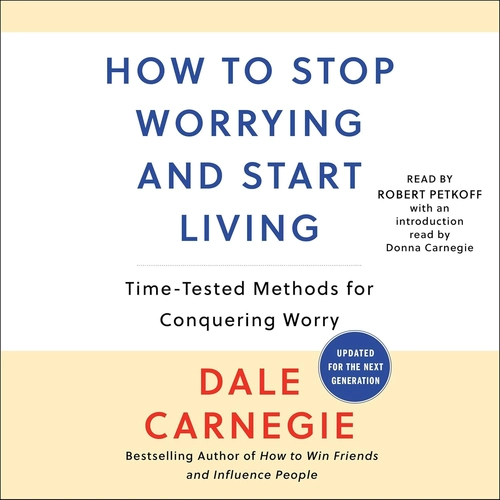
Stuck in a 3 a.m. overthinking loop, many readers turn to standard self-help titles like Dale Carnegie’s classic How to Stop Worrying and Start Living, only to find themselves inspired for a day before slipping right back into mental exhaustion. Real emotional healing requires more than positive thinking; it demands actionable frameworks.
In this detailed anxiety books comparison, we examine how Miles Carter’s Break the Anxiety Circle stacks up against traditional anxiety guides. By looking at real-life scenarios, we analyze the strengths and weaknesses of both approaches to help you choose the right path toward lasting inner peace.
1. The Traditional Approach: Inspiration vs. Implementation
Classic anxiety management books often focus heavily on high-level mindset shifts, historical anecdotes, and broad philosophical encouragement. When readers consume these works, they frequently encounter advice like “live in day-tight compartments” or “accept the inevitable.” While these concepts sound wise in theory, they often fail when applied to the messy reality of acute modern stress.
The Catch: The primary weakness of traditional self-help is its lack of tactical execution. When a reader is actively replaying a painful social mistake or dealing with paralyzing people-pleasing, broad philosophical reminders rarely provide a concrete roadmap to quiet the mind. Readers are left inspired, yet still wondering what exact steps to take next.
2. The Modern Solution: Break the Anxiety Circle by Miles Carter
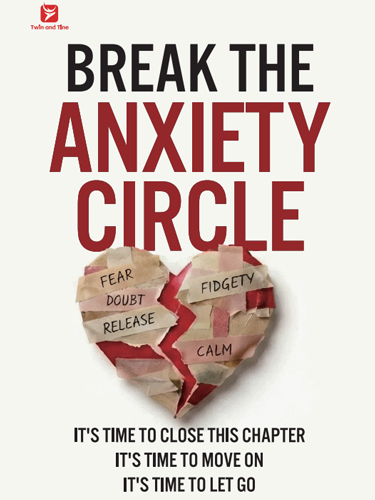
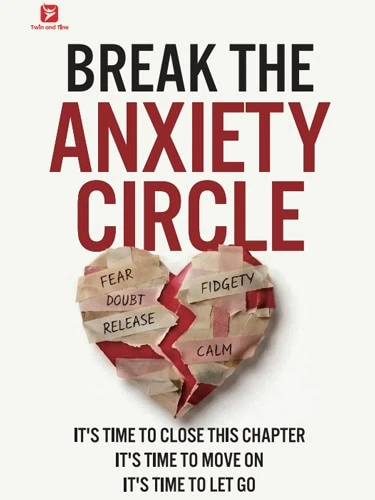
Break the Anxiety Circle
Miles CarterA mental reset for people trapped in the overthinking loop. Understand why your mind won’t stop racing — and how to break free from anxiety, people-pleasing, and emotional exhaustion.
I’ve always found that anxiety recovery accelerates the moment we replace vague encouragement with step-by-step psychological tools. What I appreciate about Break the Anxiety Circle is how it cuts straight to the root of internal friction, addressing overthinking, self-blame, and boundary issues directly. Instead of offering abstract motivation, this guide provides structured reflections and practical exercises designed for immediate use.
What makes this book meaningful is its refusal to rely on temporary emotional suppression. It equips readers to build resilient, long-term mental boundaries through sincere, actionable insights. By breaking down themes like emotional regulation and reconciling with the past, the book gives you precise language and methods to stop draining thought loops and reclaim inner calm.
3. Case Study: How Both Books Handle 3 A.M. Overthinking
Consider a common scenario: Sarah lies awake at night, replaying a tense conversation with her manager, worrying that she will lose her job, and feeling guilty for failing to speak up.The Traditional Approach: A classic anxiety guide would tell Sarah to put her worries into perspective, distract herself, and trust that tomorrow is a new day. While well-meaning, Sarah’s racing mind rejects this because it lacks a physical or mental action to process the underlying fear.
The Miles Carter Approach: Break the Anxiety Circle guides Sarah to examine the emotional need behind her anxiety—specifically, her habit of seeking validation from external outcomes. Through targeted chapter exercises, she learns to separate what she can control from what she cannot, set a firm mental boundary around work hours, and use grounding reflections to step out of the mental spiral.
Conclusion: Choosing the Right Guide for Your Growth
Traditional self-help books serve a wonderful purpose for broad philosophical inspiration, but when you need structural tools to quiet an overfunctioning mind, targeted guidance matters most. Through any objective anxiety books comparison, Break the Anxiety Circle proves to bridge the gap between insight and daily action, making it an essential companion for anyone ready to stop fighting their own thoughts.
As you decide on your next read, consider whether you need a motivational pep talk or a practical blueprint. Choosing a book grounded in actionable execution ensures your reading time translates directly into lasting emotional balance.