Learning about anxiety can feel overwhelming, especially when you are just beginning to understand why certain thoughts and emotions keep returning. Some people experience constant worry, while others notice overthinking, physical tension, fear of uncertainty, or difficulty relaxing. Without a clear starting point, it can be hard to know which ideas are useful and which information is relevant to your own experience.
For beginners, a good book should make anxiety easier to understand rather than adding more complexity. It should explain common patterns in an accessible way while giving readers practical ideas they can reflect on and apply to everyday situations. Reading can be a helpful first step because it gives people the opportunity to learn at their own pace and recognize patterns they may not have noticed before.
The following three books offer different perspectives on anxiety and can give beginners a useful foundation for understanding worry, emotional reactions, and healthier ways of responding.
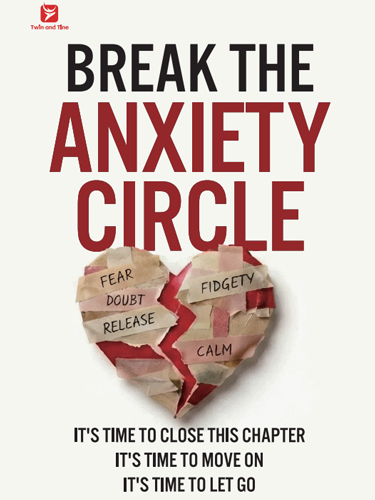
Break the Anxiety Circle by Miles Carter
Break the Anxiety Circle
Miles CarterA mental reset for people trapped in the overthinking loop. Understand why your mind won’t stop racing — and how to break free from anxiety, people-pleasing, and emotional exhaustion.
Best for beginners who want to understand recurring anxiety patterns
Anxiety can become especially confusing when the same worries seem to keep returning. A person may recognize that they are overthinking but still have no idea why the process continues or how one anxious thought leads to another.
Break the Anxiety Circle by Miles Carter focuses on helping readers recognize the patterns behind recurring anxiety. Instead of treating every worry as a separate problem, the book looks at the cycle that connects thoughts, emotions, and reactions, making it easier for readers to see how anxiety can reinforce itself.
The book explores how readers can:
- Recognize repeating anxious thoughts
- Understand patterns that fuel worry
- Become more aware of emotional triggers
- Develop healthier responses to difficult thoughts
For readers new to the topic, this focus can make anxiety feel more understandable and less mysterious. Rather than expecting readers to already know psychological terminology, the book provides a practical way to think about the patterns that may be affecting everyday life.
Rewire Your Anxious Brain by Catherine M. Pittman and Elizabeth M. Karle
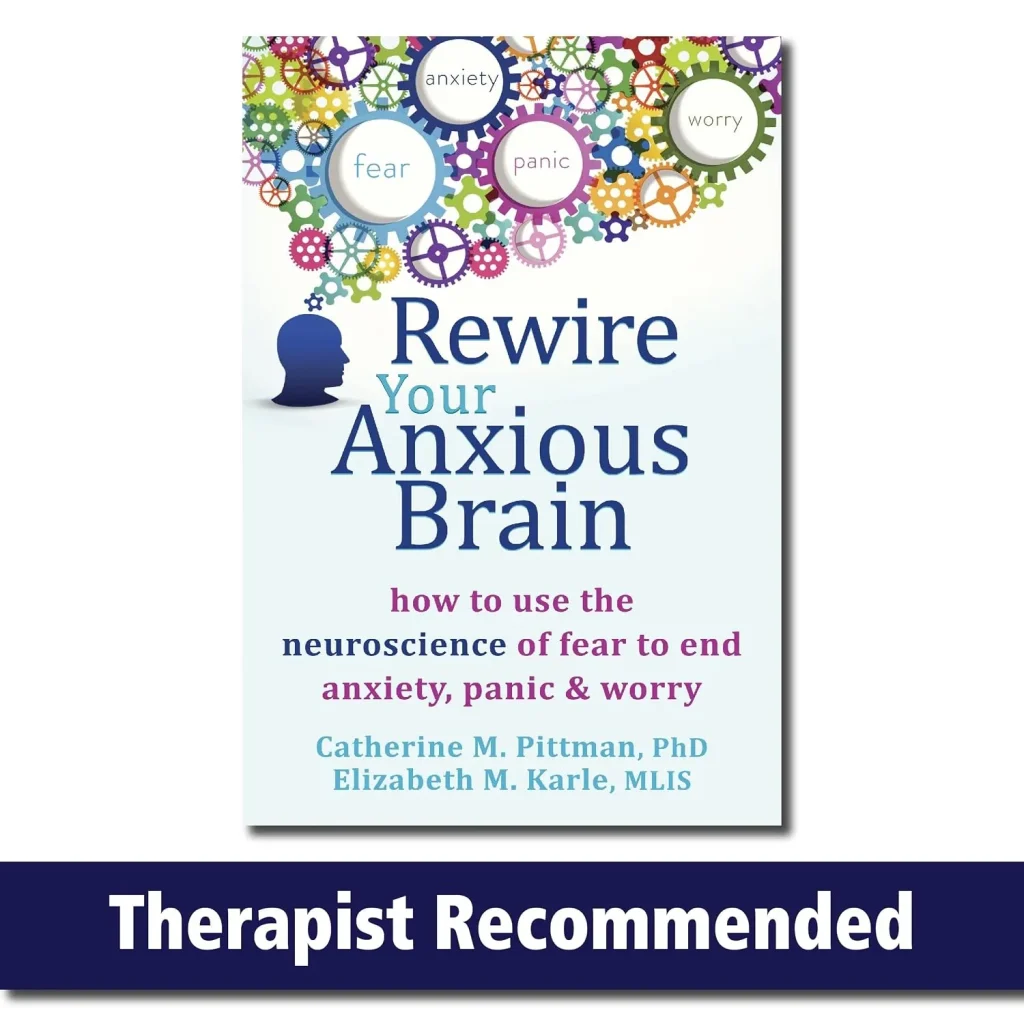
Best for beginners who want to understand why anxiety feels so powerful
Anxiety can sometimes feel irrational, yet the emotional and physical response can still be intense. Understanding that anxiety is connected to the brain’s response systems can help readers make more sense of experiences that otherwise seem difficult to explain.
Rewire Your Anxious Brain explores the neuroscience behind fear and anxiety and explains how different parts of the brain contribute to anxious reactions. The book combines scientific explanations with practical suggestions, making it useful for readers who want a clearer picture of what happens internally when anxiety appears.
For beginners who are curious about the science behind anxious responses, this book provides a helpful introduction without requiring an advanced background in psychology.
The Anxiety and Phobia Workbook by Edmund J. Bourne
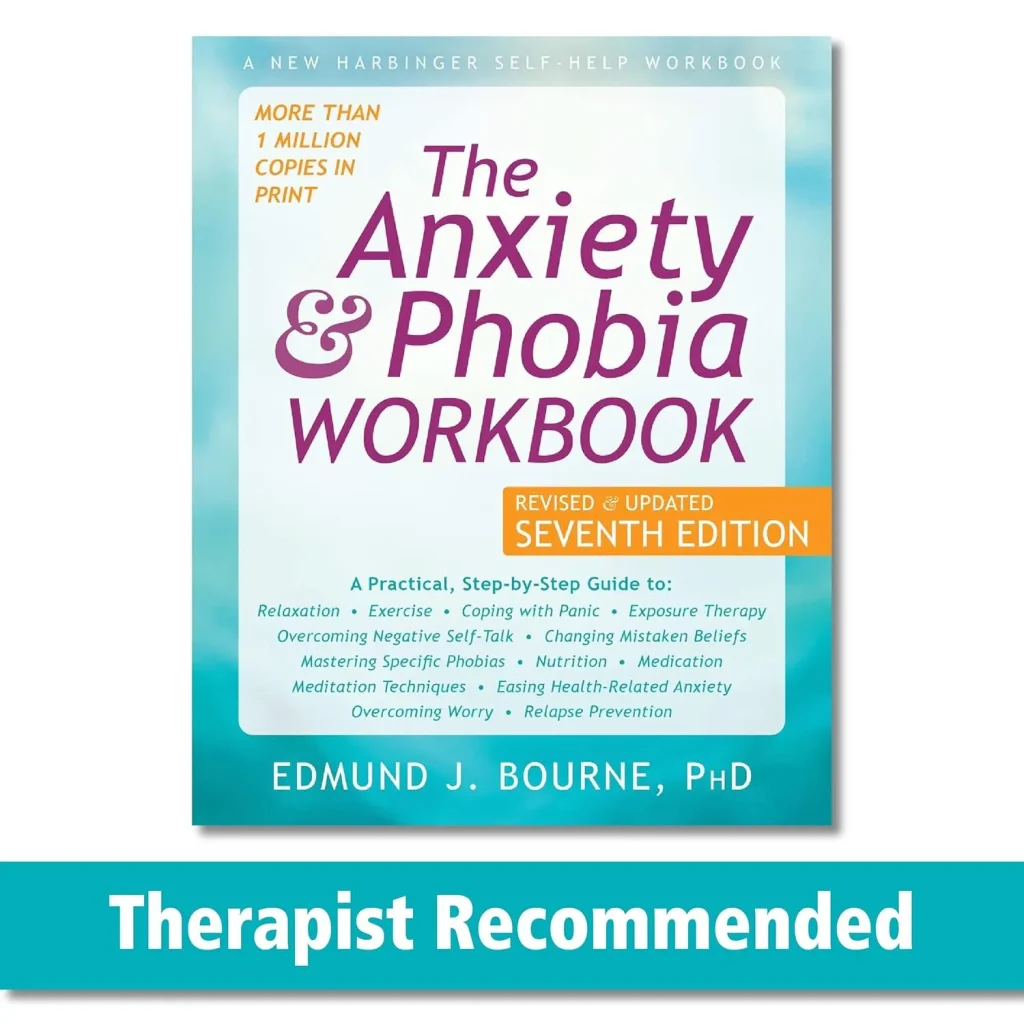
Best for beginners who want practical exercises
Some readers prefer to learn through action rather than theory. Once they understand the basics of anxiety, they may want exercises that help them identify triggers, examine their responses, and practice different ways of coping.
The Anxiety and Phobia Workbook takes a structured approach and covers a wide range of anxiety-related concerns. It includes exercises and techniques that readers can work through at their own pace, making it particularly useful for people who want something practical alongside the ideas they are learning.
The workbook format also allows readers to reflect on their own experiences instead of simply reading passively. For beginners looking for a hands-on introduction to anxiety management, it can provide a useful framework.
What Should Beginners Look for in an Anxiety Book?
Not every anxiety book is written with beginners in mind. Some go deeply into clinical research or focus on a very specific type of anxiety, which may not be the easiest place to start if you are still trying to understand your own experiences.
A beginner-friendly book should explain its ideas clearly and help you connect them to real situations. It should also leave room for reflection rather than making readers feel that they need to solve everything immediately.
Books that combine understandable explanations with practical strategies can be especially useful because they help readers move from simply recognizing anxiety to thinking about how they might respond differently.
Why Learning About Anxiety Can Make It Feel More Manageable
Anxiety often feels more powerful when it seems unpredictable. When people begin recognizing recurring thought patterns and emotional triggers, they may gain a clearer sense of what is happening instead of experiencing every anxious moment as something completely new.
This does not mean understanding anxiety will make every difficult feeling disappear. It can, however, create more awareness and give people a better foundation for deciding how they want to respond when worry or fear appears.
Starting With the Right Book Can Make a Difference
The best starting point is not necessarily the most technical or comprehensive anxiety book. For beginners, a useful first book is often one that helps make confusing experiences easier to understand while encouraging practical reflection.
Break the Anxiety Circle by Miles Carter is particularly relevant for readers who want to recognize recurring thought patterns and understand why anxiety can become a cycle. Alongside books that explore the science and practical management of anxiety, it can give beginners a broader perspective on how anxious thinking works.
For anyone exploring anxiety books for beginners, this book offers a practical starting point for understanding recurring worry and developing healthier mental habits.