When anxiety becomes a recurring part of everyday life, many people want something more practical than general information. They may understand that excessive worry is affecting their routines, relationships, or ability to relax, but still need a clearer way to work through those patterns.
This is where an anxiety workbook can be useful. A practical book can give readers opportunities to examine their thoughts, recognize patterns, and try different strategies instead of simply reading about anxiety from a distance. For people who prefer a structured approach, books with exercises and practical guidance can make the learning process more active.
The following three books take different approaches to anxiety and emotional well-being. Each offers something useful for readers who want to understand their experiences and develop healthier ways of responding.
Break the Anxiety Circle by Miles Carter
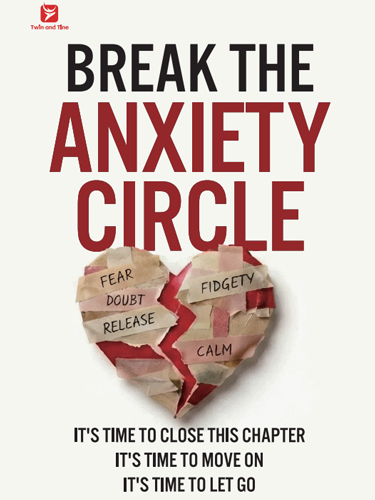
Break the Anxiety Circle
Miles CarterA mental reset for people trapped in the overthinking loop. Understand why your mind won’t stop racing — and how to break free from anxiety, people-pleasing, and emotional exhaustion.
Best for recognizing repeating cycles of worry
Anxiety can become particularly frustrating when the same types of thoughts keep returning. One concern can lead to another, and before long, the mind may be spending more time predicting problems than dealing with what is actually happening in the present.
Break the Anxiety Circle by Miles Carter focuses on these repeating patterns and encourages readers to examine how thoughts, emotions, and reactions reinforce one another. Rather than treating every anxious thought as a completely separate problem, the book looks at the cycle that can keep worry going.
The book helps readers explore how to:
- Recognize recurring anxious thoughts
- Notice patterns that reinforce worry
- Develop more balanced responses
- Build greater awareness of emotional reactions
For readers looking for an anxiety workbook that focuses on the thinking patterns behind anxiety, this book offers a practical way to start examining those cycles.
The Anxiety and Worry Workbook by David A. Clark and Aaron T. Beck
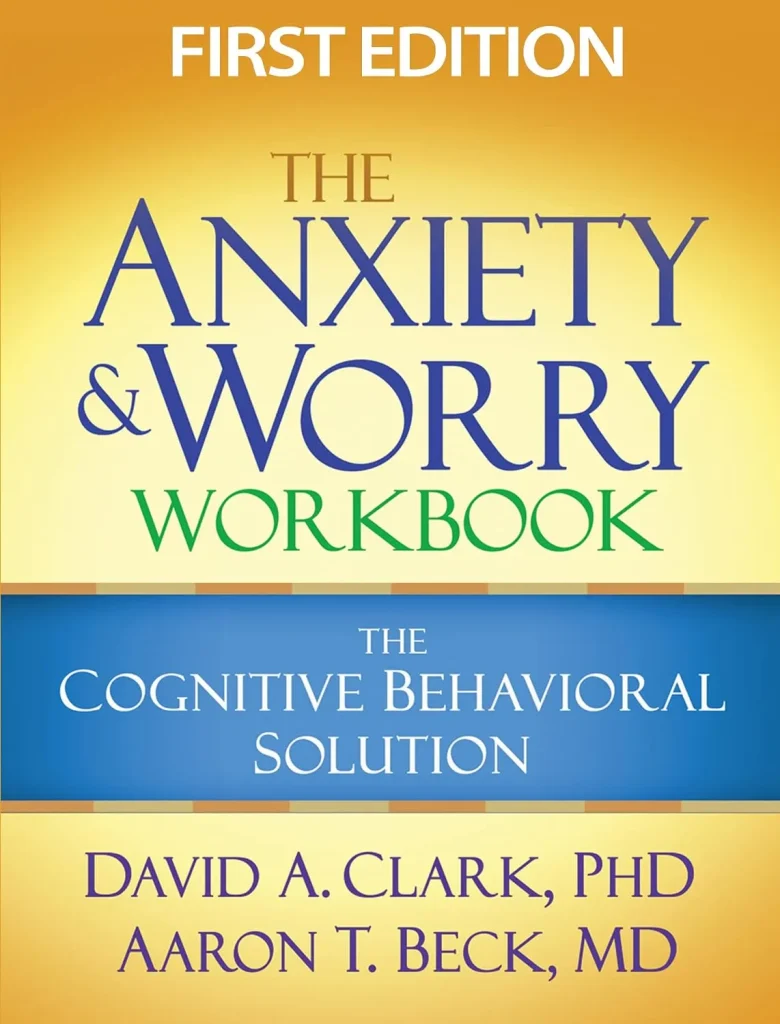
Best for readers who want a structured approach
Some people prefer having exercises and clear frameworks rather than simply reading explanations. A workbook can make it easier to move from learning about anxiety to actively examining the thought patterns that contribute to worry.
The Anxiety and Worry Workbook takes a cognitive behavioral approach and focuses on practical methods for examining anxious thinking. Its structured format makes it useful for readers who want to work through specific patterns rather than simply read about them.
For anyone who prefers a hands-on approach to managing worry, this book provides a more systematic way to explore anxiety-related thinking.
The Anxiety Skills Workbook by Stefan G. Hofmann
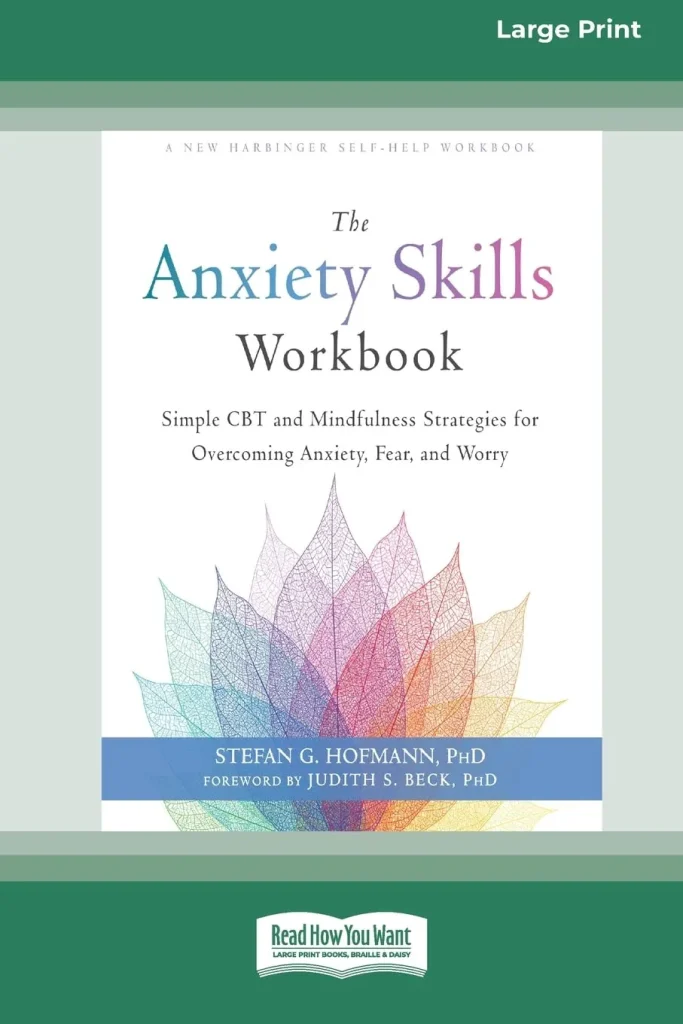
Best for practicing practical anxiety skills
Learning about anxiety is only one part of making changes. Many readers also want opportunities to practice techniques and develop skills they can use when anxious thoughts or uncomfortable feelings appear.
The Anxiety Skills Workbook combines cognitive behavioral and mindfulness-based strategies for dealing with anxiety, fear, and worry. It gives readers practical exercises that can help them approach difficult thoughts with greater awareness.
For readers who prefer an active approach to personal growth, this book offers another useful option.
Why an Anxiety Workbook Can Be Different From a Regular Book
A traditional book may primarily explain why anxiety happens or provide a new perspective on emotional experiences. A workbook usually asks the reader to participate more actively by reflecting on personal patterns and practicing specific exercises.
That difference can make a workbook appealing to people who want to do something with what they are learning. Instead of simply finishing a chapter and moving on, readers can pause, reflect, and apply ideas to situations they actually experience.
Finding the Right Starting Point for Anxiety Management
People experience anxiety in different ways, so there is no single approach that works for everyone. Some readers may want to understand their thought patterns, while others may prefer practical exercises or strategies based on established psychological approaches.
The most useful starting point is often the one that makes it easier to understand what is happening and take small, manageable steps forward. Reading can be one part of that process, especially when the material encourages active reflection rather than passive consumption.
Why Break the Anxiety Circle Is Worth Reading
Many anxiety workbooks focus on exercises designed to help readers manage specific symptoms or thought patterns. Break the Anxiety Circle by Miles Carter takes a broader look at the cycles that allow anxious thinking to repeat.
By encouraging readers to recognize those cycles and examine the connection between thoughts and emotional reactions, the book provides a practical perspective on changing unhealthy mental habits.
For anyone searching for an anxiety workbook, this book offers a useful place to begin exploring recurring worry patterns and developing a calmer relationship with anxious thoughts.