I remember lying there, the sheets still tangled, feeling this overwhelming urge to talk. To connect. To get closer. Meanwhile, he was already reaching for his phone. I did not say anything at first. I just watched him scroll. And I wondered, is this just how men are wired? Do I feel more because I am a woman? The question nagged at me for days. Are women more emotionally attached than men, or was I reading the whole situation wrong?
Quick Insights Today:
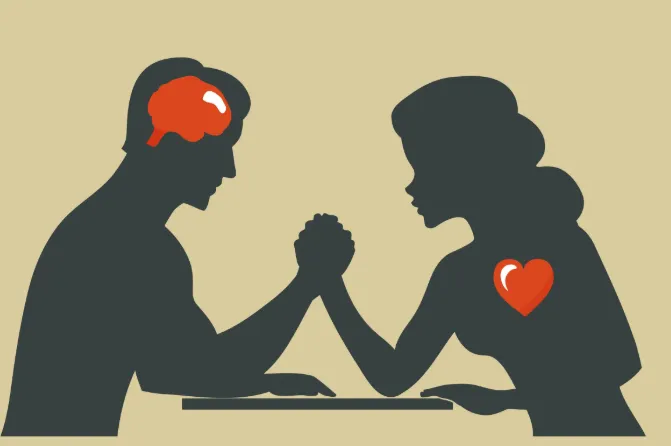
Women are not necessarily more emotionally attached than men. What often happens is a difference in how intimacy is processed after closeness. For some people, emotional bonding increases quickly after physical or emotional vulnerability, while others need more time or trust consistency before feeling attached.
This difference is shaped by:
- individual attachment style (secure, anxious, avoidant)
- emotional conditioning and upbringing
- expectations around intimacy
- communication after closeness
- Recognize emotional patterns without judgment first
- Notice how trust shapes attachment differently for each person
- Question the stories society told you about gender and feelings
- Pay attention to what you actually feel, not what you should feel
- Talk about it. Awkward conversations beat quiet confusion every time
Why Do Women Seem More Emotionally Attached After Intimacy?
I have heard this story a hundred times. A friend texts me after a few dates with someone new. The sex was good. Really good. But now she feels this pull, this need for reassurance, while he seems distant. She asks me if she is being too much. I ask her if she actually wants more closeness or if she just thinks something is wrong because he is not chasing her.
The truth is messy. There is biology at play here, sure. Oxytocin surges during orgasm for everyone, but some research suggests its bonding effects might hit differently depending on context and emotional safety. Men and women may also experience post-intimacy neurochemistry in different ways, but the science is far from definitive.
Then there is the social layer. Women grow up hearing that sex is meaningful, emotional, and tied to connection. Men often grow up with a different narrative — more casual, more separated from emotional bonding. These early messages shape interpretation far more than we usually admit.
So when I felt that pull for closeness after intimacy, was it hormones or upbringing? Probably both. Probably neither. What mattered more was what I did next with that feeling.
How to Handle the Attachment Gap Without Losing Yourself
What to Do When You Feel More Attached Than They Do
Instead of assuming something is wrong, try this:
- Pause and ask: “Do I feel connected, or do I feel uncertain?”
- Separate emotion from interpretation (feeling close ≠ relationship security)
- Avoid immediate reassurance-seeking texts
- Notice whether their behavior actually changed or just your perception did
- Give it 24 hours before making conclusions

Most emotional spirals after intimacy are not about the other person changing — they are about your nervous system adjusting to closeness.
I tried something different with my current partner. Instead of pretending I was chill when I felt needy, I said it out loud. “Hey, I noticed I am feeling more attached after last night. Not asking for anything. Just naming it.” He looked surprised. Then he said, “I noticed I was pulling back a little. I do not know why. I like you a lot.”
That conversation changed everything. No one was wrong. No one was too much. We were just two people with different internal scripts trying to figure out intimacy together.
Here is what worked for us. Ask yourself a few questions before you spiral. Am I actually more attached, or am I just reacting to his distance? Do I want more from this relationship, or do I just want to feel chosen? What would I need right now if there were no gender rules at all?
Some men genuinely do the chase-and-retreat thing. They want the connection, get it, and then panic. That is not about you. That is about them. Some women open up deeply as their default mode. You think she is falling for you because she shared her childhood trauma at 2am. But maybe that is just how she talks to everyone. Do not confuse vulnerability with attachment.
I learned to stop asking “does he like me” and start asking “do I actually like him, or do I just like feeling close to someone?” That shift was uncomfortable. But necessary.
The “Trust Threshold” Framework
I started thinking about attachment as a trust threshold. For many women, trust is the gatekeeper. Sex does not open the gate. Trust does. So if she feels safe, heard, and respected, the emotional floodgates open. If she does not, she can have sex and still keep her heart locked up tight.
For many men, the equation is different. Trust matters, obviously. But sex and emotional attachment do not always live in the same room. They can be separate experiences. One does not automatically trigger the other.
This mismatch creates a lot of confusion. She thinks, we slept together, so we must be getting closer. He thinks, we slept together, that was fun, what is for breakfast? Neither person is broken. They just have different internal maps.
I have found it helpful to think of trust as a dial, not a switch. For some people, intimacy turns the dial way up. For others, it barely moves. Pay attention to where your partner’s dial actually sits instead of where you assume it should be.
How Trust Unlocks Attachment Differently
I asked my male friends about this once. Awkward dinner conversation, but worth it. They said something interesting. Trust, for them, was about knowing someone would not betray them. For my female friends, trust was about feeling emotionally safe enough to be vulnerable. Similar word, different definition.
That difference explains a lot. A woman might not feel truly attached until that deep trust clicks. But when it does, the attachment can be intense. A man might trust his partner completely and still not experience the same emotional surge. He cares. He just does not feel it the same way.
Neither way is better. They are just different. And naming that difference out loud can save you months of anxious guessing.
Frequently Asked Questions
Q: Are women biologically more emotionally attached than men?
Some research points to hormonal differences that may influence emotional bonding, but there is no conclusive evidence that women are inherently more emotionally attached. Psychological patterns and social conditioning likely play a much larger role.
Q: Why do I feel more emotionally attached after intimacy than my partner does?
This often comes from a mix of emotional bonding chemistry, attachment style, and learned expectations around intimacy. It does not necessarily reflect how much either person cares — just how they process closeness.
Q: Does emotional distance after intimacy mean they are losing interest?
Not always. Some people naturally regulate closeness by creating space after intimacy. This can feel like distance, but it may simply be their way of returning to emotional baseline.
Q: Can men become more emotionally attached over time?
Yes. Emotional attachment often grows with trust, consistency, and safety. Many men develop deeper emotional bonding as relationships stabilize.
Q: Is it normal to feel anxious when a partner pulls back after intimacy?
Yes. This reaction is common, especially for people with more sensitivity to attachment shifts. The key is not to assume meaning too quickly — give emotional space time to settle.
One Last Thin
I still think about that night with the tangled sheets and the quiet scrolling. I was not crazy for feeling attached. He was not cold for feeling distant. We were just two people carrying different stories about what intimacy means. The question is not really whether women are more emotionally attached than men. The question is whether you can name what you feel without shame and let someone else do the same.