“They seemed so nice.”
You have said it. So have I. We all have. Something went wrong — a betrayal, a letdown, a moment of bewilderment — and those four words were all we had left.
We said them because we were looking at the wrong thing. We were looking at their words. We trusted the packaging and ignored the contents.
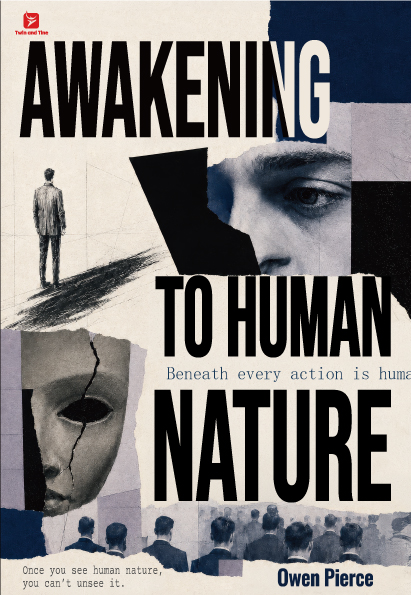
Awakening to Human Nature is a book about what happens when you stop doing that.
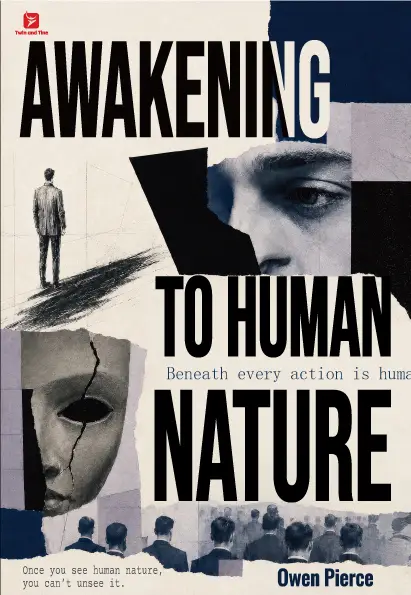
Awakening to Human Nature
Owen PierceA practical guide for understanding hidden motives, social patterns, emotional pressure, and manipulation—so you can read situations more clearly and protect your boundaries with confidence.
What This Book Is Really About
It is not about becoming cynical. It is not about assuming the worst in people. It is about dropping a dangerous habit: the habit of believing that what people say is the whole story.
The book argues that most human behavior is driven by things people do not say out loud — hidden interests, unspoken needs, emotional reflexes that bypass conscious thought. We all operate on two levels: the level of what we express and the level of what we actually feel and want. The gap between these two is where misunderstandings happen, where trust is misplaced, and where good people get taken advantage of.
Pierce gives you a framework for closing that gap. You learn to see the patterns that run beneath the surface — the cognitive shortcuts, the emotional triggers, the self-deceptions we all fall into. And once you see them, you stop being surprised by people. You stop being manipulated. You stop taking things personally that were never about you.
What You Actually Gain From This Book
You stop reading words and start reading people.
Words are cheap. People say what they think you want to hear. They say what protects their image. They say what they have convinced themselves is true. The book teaches you to look past the words and read the signals that words cannot hide: the patterns of behavior, the consistency of actions, the gap between what someone claims and what they actually do.
You stop being surprised.
Most of the pain in relationships comes from surprise — when someone acts in a way you did not expect. Pierce argues that this surprise is not inevitable. It is the result of not seeing clearly. When you understand the hidden rules of human behavior, you stop being blindsided. You start expecting what is actually likely to happen.
You recognize self‑deception — in others and in yourself.
The hardest person to read is yourself. The book devotes serious attention to this. You learn to catch your own blind spots, your own excuses, your own versions of the story that make you look good. This is not comfortable. But it is essential.
You navigate workplace politics with your eyes open.
Much of the book applies directly to professional life. You learn how to avoid being outshone, how to protect yourself from manipulation, and how to focus on what actually determines your value — not what people say determines it.
You build relationships based on clarity, not fantasy.
This is the most liberating part. When you see people clearly, you stop expecting them to be who they are not. You stop being disappointed. You stop trying to fix them. You choose relationships based on what is actually there, not what you wish were there.
Who Is This Book For?
It is for anyone who has ever been confused by someone’s behavior. That is most of us.
It is especially for:
- People who have been called “too trusting”
- People who replay conversations wondering what really happened
- People who do good work but keep getting passed over
- People who feel like they missed the manual on human nature
- People who are tired of being manipulated or taken advantage of
The Core Question
The book asks one question that changes everything:
Are you looking at people as you wish they were, or as they actually are?
Most of us spend our lives answering the first version. We project our own goodwill onto others. We assume they think the way we think. We take their words at face value.
Pierce argues that this is not kindness — it is avoidance. Real kindness is seeing people as they are and responding appropriately. Real wisdom is not about trusting everyone. It is about trusting the right people for the right reasons.
What Makes This Book Different
There are many books about human nature. Most of them fall into categories: feel‑good affirmations, academic detours, or manipulative manuals. This book is none of those.
It is not affirming. It does not tell you that everyone is beautiful and good. It tells you that people are complex, sometimes selfish, often self‑deceived — and that understanding that is how you protect yourself without becoming bitter.
It is not academic. It does not bury its insights in data and footnotes. It is direct, concise, and practical.
It is not manipulative. It does not teach you how to exploit others. It teaches you how to stop being exploited.
Its goal is a simple one: to help you see clearly.
A Simple Test
Here is a quick checklist. If any of these statements apply to you, the book was written with you in mind:
- You have trusted someone and regretted it.
- You have been called naive.
- You have felt like you were the last to know what was really going on.
- You have been manipulated by guilt or emotional pressure.
- You have wondered why people are not as loyal as you are.
- You have felt like there was a rulebook everyone else had read.