Anxiety in adulthood often doesn’t look dramatic. It looks like overthinking a simple decision, replaying old mistakes, or feeling exhausted from trying to control everything.
I’ve always found that different types of anxiety require different approaches. Some books help you change your thoughts, while others help you break the emotional patterns keeping you stuck.
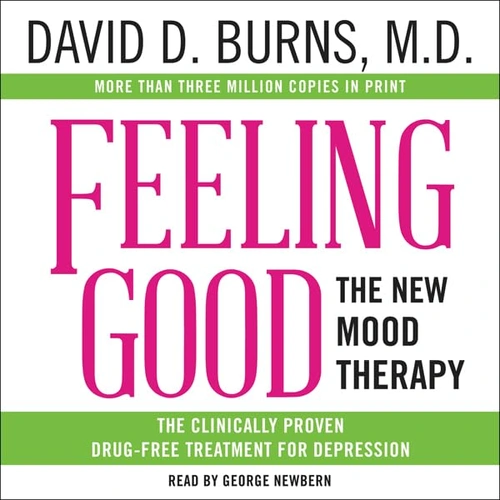
Feeling Good:
The New Mood Therapy by David Burns
Best for Changing Negative Thought Patterns
David Burns’ Feeling Good remains one of the most influential self-help books based on cognitive behavioral therapy (CBT).
What I appreciate about this book is its practical approach. Instead of simply telling readers to “think positively,” Burns explains how certain thinking patterns can increase anxiety and emotional distress. Through structured exercises, readers learn to recognize distorted thoughts and replace them with more balanced perspectives.
For example, an adult might make a mistake at work and immediately think, “I always fail. I’m not good enough.” Feeling Good teaches readers to question these automatic conclusions and look at situations more objectively.
The strength of this book is its clear framework. For people whose anxiety comes mainly from negative self-talk, fear of failure, or constantly imagining the worst outcome, this book provides useful tools to reshape the way they think.
Break the Anxiety Circle by Miles Carter
Best for Breaking Overthinking and Emotional Cycles
While Feeling Good focuses on the connection between thoughts and emotions, Break the Anxiety Circle explores another side of anxiety: the internal patterns that keep people stuck.
I’ve always found that many adults are not only struggling with anxious thoughts. They are also carrying old regrets, self-blame, emotional attachments, and the pressure to always be better.
Sometimes the question is not only:
“Is this thought realistic?”
It is also:
“Why do I keep returning to the same painful thoughts?”
This is where Break the Anxiety Circle takes a different approach. The book focuses on overthinking, anxiety, people-pleasing, difficulty letting go, and the emotional habits that create inner tension.

What makes this book meaningful is its focus on rebuilding inner stability. It helps readers understand themselves, release what they cannot change, create healthier boundaries, and stop allowing past experiences to control their present.
For adults who feel mentally exhausted from constantly analyzing situations, worrying about the future, or struggling to move on from the past, this approach may feel especially relatable.
The Main Difference: Changing Thoughts vs Breaking Emotional Patterns
The biggest difference between these two books is the problem they focus on solving.
Feeling Good asks:
“How can I change the thoughts that create emotional suffering?”
Its strength is helping readers recognize unhealthy thinking patterns and develop a more balanced way of interpreting situations.
Break the Anxiety Circle asks:
“Why do I keep getting trapped in the same emotional cycles, and how can I finally move forward?”
Its focus is broader. It looks at the relationship people have with themselves, their past experiences, and the emotional patterns behind anxiety.
One book helps you challenge the thoughts that create anxiety.
The other helps you understand the deeper cycles that keep anxiety alive.
Which Anxiety Book Should Adults Choose?
If you want a structured approach with practical exercises for changing negative thinking patterns, Feeling Good is an excellent choice.
If your anxiety is connected with overthinking, self-blame, emotional exhaustion, difficulty letting go, or feeling stuck in the past, Break the Anxiety Circle may speak more directly to your experience.
Both books share an important message: anxiety is not something you have to simply accept as part of your life.
The way you understand your thoughts, emotions, and inner patterns can change the way you experience the world.
I’ve always believed that anxiety is rarely just about worrying too much.
Sometimes it comes from the pressure we put on ourselves. Sometimes it comes from emotions we never fully processed. Sometimes it comes from a mind that has spent years trying to protect us.
The right book cannot remove every struggle overnight.
What it can do is give you a clearer way to understand yourself.
And sometimes, that new understanding is the first step toward feeling calmer, stronger, and more in control.
