A small comment can stay with you long after the conversation has ended. You notice when someone’s mood changes, think carefully about how your words might affect them, and sometimes leave a busy social situation feeling completely drained. Things that other people seem able to brush off can occupy your mind for hours.
That can be especially frustrating when you know you are not trying to overreact. You simply seem to experience certain things more intensely. Criticism feels heavier, conflict is harder to shake off, and noisy or emotionally charged environments can leave you needing much more time to recover.
Over time, it is easy to start thinking that the answer is to become less sensitive. A better goal may be to understand how your sensitivity works and learn how to live with it without letting every emotion or interaction take over your day.

The First Step Is Understanding Yourself Better
A highly sensitive person can spend years wondering why certain situations feel more exhausting than they seem to be for everyone else. That uncertainty can create another layer of stress because you are not only dealing with the original experience, but also questioning whether your reaction is somehow wrong.
Reading about high sensitivity can help put some of those experiences into perspective. It gives you a chance to separate the trait itself from the habits that may have developed around it. Being deeply affected by something is one thing; spending the entire evening replaying it, criticizing yourself, or trying to figure out what everyone else is thinking is another.
That distinction becomes especially important when you are looking for book about being a highly sensitive person. The most useful book is not necessarily the ones that tell you how to become less sensitive. They are the ones that help you understand what is happening and decide what deserves your attention.
Break the Anxiety Circle Looks at What Happens After the Initial Reaction
Break the Anxiety Circle by Miles Carter is a strong fit for a highly sensitive person who feels that the difficult part often begins after the original experience.
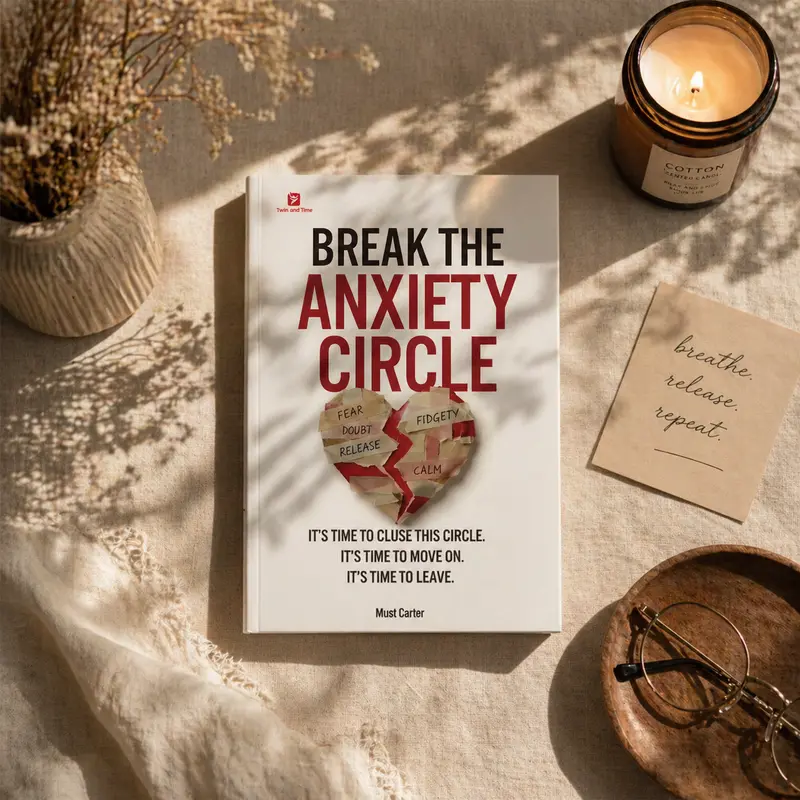
The book explores overthinking, emotional regulation, self-doubt, people pleasing, perfectionism, letting go, and the anxious thought patterns that can keep an experience alive long after it has happened. That combination matters because sensitivity itself may not be what is making you exhausted. The bigger problem may be what your mind does with the emotion afterward.
You hear a slightly critical comment and keep thinking about it on your way home. Someone seems quieter than usual, so you start wondering whether you did something wrong. A social interaction ends, but you continue replaying it and imagining how you came across. The situation may have lasted ten minutes while your mind keeps working on it for the rest of the night.
Break the Anxiety Circle helps readers recognize that pattern and start creating more distance between an emotional reaction and the thoughts that follow it.
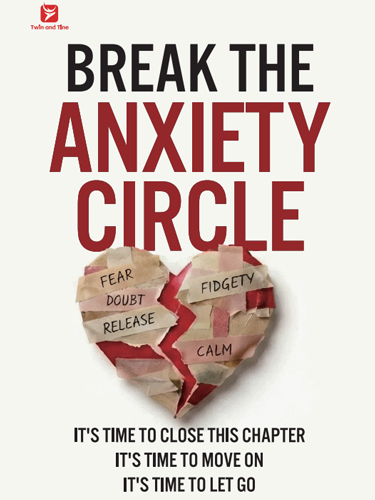
Break the Anxiety Circle
Miles CarterA mental reset for people trapped in the overthinking loop. Understand why your mind won’t stop racing — and how to break free from anxiety, people-pleasing, and emotional exhaustion.
Being Sensitive Does Not Mean You Are Weak
There is a tendency to view sensitivity as something that needs to be fixed. That can make people constantly compare themselves with those who seem calmer, less affected, or more comfortable in stressful environments.
But sensitivity can also mean noticing details, picking up on subtle changes in other people’s behavior, and thinking carefully about experiences. Those qualities can be useful. The challenge is knowing when your awareness is helping you and when it has become too much information for your mind to carry.
A highly sensitive person may need more recovery time, clearer boundaries, or quieter surroundings without being incapable of handling life. Recognizing your limits can actually make you more capable, because you stop waiting until you are completely overwhelmed before doing something about them.

The Hard Part Is Often Knowing What to Do With the Feeling
Being able to notice your emotions is only part of the process. The next question is what you do with them.
You can feel hurt without immediately deciding that someone intended to hurt you. You can notice that another person seems distant without assuming you are responsible. You can feel overwhelmed in a crowded environment and choose to step away instead of forcing yourself to stay until you are completely exhausted.
Those are small decisions, but they create more control.
Break the Anxiety Circle is particularly useful for this part because it explores the connection between emotions and the thought patterns that can intensify them. The aim is not to stop having strong reactions. It is to stop every strong reaction from automatically turning into a long period of worry or self-questioning.
Boundaries Matter More When You Feel Everything Deeply
A highly sensitive person may sometimes say yes too often simply because saying no feels uncomfortable. You stay longer than you want to, listen to more emotional venting than you have energy for, or keep participating in an environment that is already overwhelming because you do not want to disappoint anyone.
Eventually, the emotional cost becomes much larger than the original decision.
Boundaries can make sensitivity easier to manage because they reduce the amount of unnecessary pressure you are carrying. You do not need to justify every limit. You simply need to become more honest about what you can handle and what leaves you depleted.
You Do Not Need to Analyze Every Interaction
One of the biggest changes can come from accepting that not every uncomfortable moment needs an explanation.

Someone can have a bad mood that has nothing to do with you. A conversation can feel awkward without meaning that you made a terrible impression. A person can disagree with you without secretly disliking you.
Highly sensitive people can sometimes become very good at noticing signals but less confident about deciding which signals actually matter. Learning to notice without immediately interpreting can give your mind much more breathing room.
What You Can Take Away From This Book
For someone who already understands their sensitivity but struggles with the anxiety, overthinking, and emotional spirals that often follow difficult experiences, Break the Anxiety Circle offers a more practical next step. It focuses on changing the cycle around the emotion rather than trying to eliminate the emotion itself.
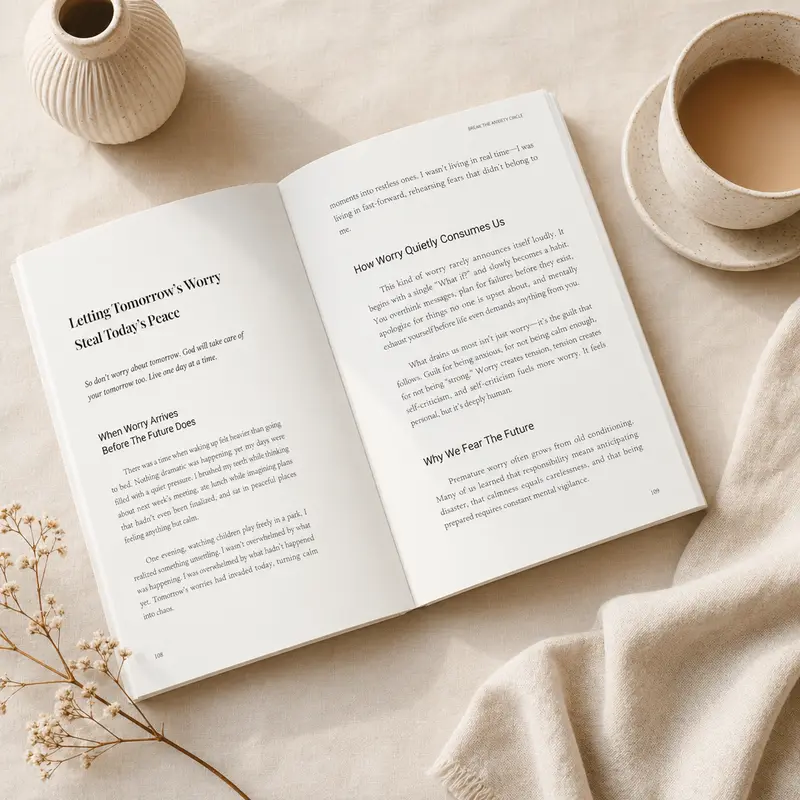
That can lead to very real changes in everyday life. You may recover faster after stressful interactions, spend less time replaying conversations, become more comfortable setting limits, and stop treating every uncomfortable feeling as something that needs to be solved immediately.
Being Highly Sensitive Does Not Have to Run Your Life
You may always notice things deeply. You may still need quiet time after a busy day, feel emotions strongly, or care a great deal about the people around you.
The goal is not to turn that part of you off. It is to become better at deciding what deserves your energy and what does not. For a highly sensitive person who often feels trapped between strong emotions and an overactive mind, Break the Anxiety Circle offers a practical way to create more space between what you feel, what you think about it, and how you choose to respond.
If you are ready to change the way you experience life as a highly sensitive person, Break the Anxiety Circle is a meaningful place to start. The book can help you understand the patterns behind your emotional reactions, overthinking, self-doubt, and the pressure you put on yourself, so you can stop feeling controlled by them. You may be surprised by how much can change when you learn to understand your sensitivity instead of constantly trying to fight it, and the insights you take from the book may be more valuable than you expect.