You might be the person everyone turns to when they need help. You listen, offer advice, rearrange your schedule, and try to make sure nobody feels let down. But when you need time for yourself, saying no can feel uncomfortable. Even after you agree to another favor, you may find yourself wondering why it is so difficult to give your own needs the same consideration you give everyone else’s.
Self-love and healthy boundaries are closely connected. When you struggle to recognize your own worth, it can be difficult to believe that your time, energy, and feelings deserve protection. And when you continually ignore your limits, resentment can gradually replace the generosity you wanted to offer. Break the Anxiety Circle by Miles Carter explores several of the emotional patterns behind this struggle.
Break the Anxiety Circle by Miles Carter
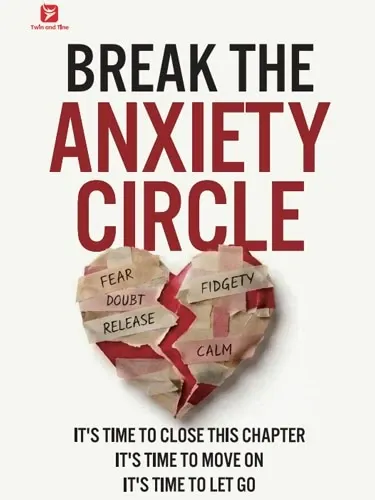
Break the Anxiety Circle focuses on self-love, self-worth, self-forgiveness, people-pleasing, and personal boundaries. It also explores overthinking, regret, emotional sensitivity, and anxious or avoidant attachment patterns. These themes are relevant to readers who find themselves worrying excessively about other people’s reactions or struggling to put their own needs into words.
Rather than treating every difficult feeling as a problem that must be solved immediately, the book explores how people can respond to their emotions differently and develop a healthier relationship with themselves. Its focus on boundaries and people-pleasing is particularly relevant when caring for others has become closely tied to guilt, fear of rejection, or the need to be approved of.

Break the Anxiety Circle
Miles CarterA mental reset for people trapped in the overthinking loop. Understand why your mind won’t stop racing — and how to break free from anxiety, people-pleasing, and emotional exhaustion.
Understand the Difference Between Kindness and Self-Neglect
Being considerate does not require you to agree to every request. You can care about a friend and still be unavailable on a particular day. You can support a family member without taking responsibility for every problem they face.
The difficulty is that people-pleasing can make these distinctions feel uncomfortable. You may tell yourself that refusing a request is selfish, even when you are already exhausted. Examining this pattern can help you recognize that kindness is more sustainable when it leaves room for your own well-being.
Set Boundaries Without Overexplaining
Some people feel they need a perfect reason before they can say no. They explain their schedule in detail, apologize repeatedly, or keep negotiating until the boundary becomes unclear.
A healthier approach is to communicate your decision clearly and respectfully. For example:
- “I won’t be able to help with that this time.”
- “I need some time to myself tonight.”
- “I’m not comfortable discussing this right now.”
- “I understand this matters to you, but I can’t make that commitment.”
You can offer context when you want to, but you do not need to prove that your limits are legitimate. A person may feel disappointed by your answer, and that does not automatically mean your decision was wrong.
Stop Measuring Your Worth Through Other People’s Reactions
One of the hardest parts of setting boundaries is tolerating the possibility that someone may not like them. If you are used to keeping everyone happy, even a small change in your behavior may bring up guilt or anxiety.
Break the Anxiety Circle explores the connection between self-worth, overthinking, and the desire for approval. Learning to recognize these patterns can help you distinguish between genuine responsibility and the assumption that you must manage every emotion another person experiences.
You can listen to feedback and consider whether you have acted fairly without automatically abandoning your decision whenever someone disagrees with you.
Make Space for Your Own Needs
Boundaries become easier to maintain when you understand what you are trying to protect. That might mean having enough time to rest, keeping a commitment to yourself, maintaining privacy, or avoiding conversations that repeatedly leave you feeling disrespected.
Start by noticing the moments when you feel drained or resentful. Instead of immediately blaming yourself or the other person, ask what expectation has become difficult to sustain. The answer may reveal a limit that needs to be communicated or a responsibility that was never yours to carry alone.
Practice Self-Forgiveness When Old Habits Return
You may begin setting clearer boundaries and still find yourself agreeing to something you wanted to refuse. You might overexplain a decision, seek reassurance, or feel guilty after protecting your time. That does not mean you have failed.
Changing long-standing emotional habits takes practice. Self-forgiveness allows you to examine what happened without turning it into another reason to criticize yourself. You can recognize the moment you slipped into an old pattern, consider what made it difficult, and prepare a different response for next time.
Building a Relationship With Yourself That Feels Healthier
Self-love is not a reason to disregard other people, and boundaries are not a way to punish them. Both help create relationships in which care does not depend on constant sacrifice and disagreement does not automatically become a threat to your self-worth.
Break the Anxiety Circle by Miles Carter explores the relationship between self-acceptance, people-pleasing, emotional patterns, and personal boundaries. If you often feel guilty for saying no or find yourself taking responsibility for everyone else’s reactions, its themes can help you examine the habits that make self-respect difficult.
Start with one manageable change. Give yourself time before agreeing to a request, communicate one limit without a lengthy apology, or allow someone to feel disappointed without rushing to fix the situation. You can remain caring and dependable while also recognizing that your own needs deserve a place in your life.
If you found this helpful, these books go deeper into the same themes.



Break the Anxiety Circle
$19.90

From Debt to Wealth
$19.90

