Why do people act the way they do? Why do good people sometimes do terrible things? Why are we so obsessed with what others think of us?
Human nature is complicated. It is not just about personality or upbringing. It is about hidden motives, social pressure, environmental influence, and the deep need to matter in the eyes of others.
The three books below approach human nature from different angles. One helps you read individuals. One shows how situations change people. One reveals why we chase status and approval. Together, they give you a complete picture of why people do what they do.
Quick Comparison
| Book | Human Nature Angle | Main Focus |
|---|---|---|
| Awakening to Human Nature | Reading individual behavior | Social awareness & patterns |
| The Lucifer Effect | How situations reveal human nature | Environment & morality |
| The Status Game | Why humans seek status and approval | Social hierarchy & belonging |
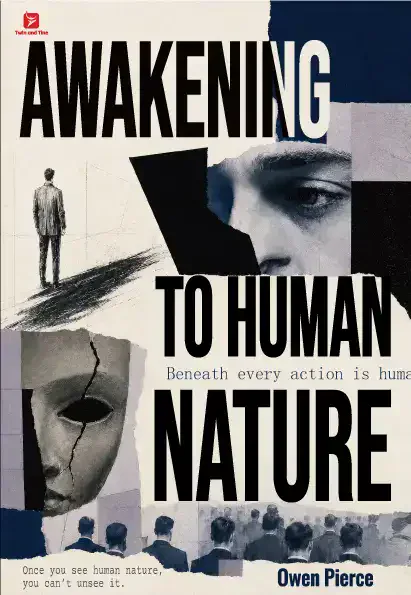
1. Awakening to Human Nature by Owen Pierce
Main focus: Understanding the person in front of you
You have probably had this experience. You walk away from a conversation knowing something was off. Someone said all the right things, but something underneath felt wrong. You could not explain why.
Sometimes your brain notices small patterns before you can consciously explain them.
Pierce wrote this book for people who are tired of being confused by others. He does not teach you to memorize gestures or decode micro-expressions. He teaches you to notice patterns most people overlook. Changes in tone. Hesitation before answering. A mismatch between words and actions.
Most people have consistent patterns in how they communicate. When those patterns break, something has shifted underneath. Once you learn to see these signals, you become better at choosing relationships, communicating clearly, and understanding what people really need.
This is the book for you if: you want to understand why people act the way they do in everyday life.
2. The Lucifer Effect by Philip Zimbardo
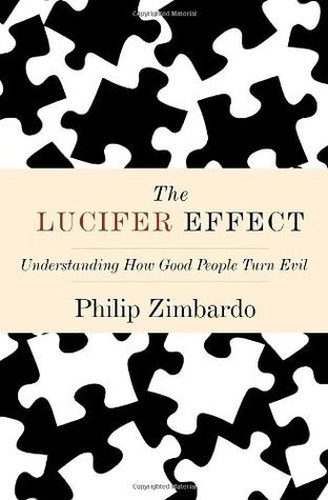
Main focus: How ordinary people can do terrible things
Why do good people sometimes do things they never thought they were capable of?
Zimbardo is famous for the Stanford Prison Experiment. This book is his full account of how ordinary college students—randomly assigned to be “guards” or “prisoners”—descended into cruelty and submission within days. The experiment had to be stopped early because it got too dangerous.
But the book goes beyond the experiment. Zimbardo shows how similar dynamics play out in real life. It explains workplace bullying, groupthink, toxic cultures, and why people sometimes go along with things they privately disagree with. His argument is unsettling: personality matters less than most people assume. Situations can override individual morality. Authority, social roles, and environmental pressure can change who people become.
This is not a book about excusing bad behavior. It is about understanding how easily good people can be shaped by circumstances they did not choose.
This is the book for you if: you want to understand why good people sometimes do bad things—and how to recognize when a situation is shaping you.
3. The Status Game by Will Storr
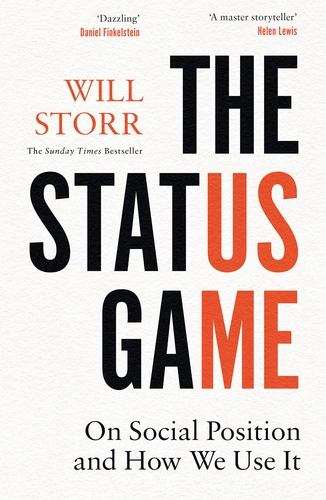
Main focus: Why humans chase status and approval
People are not just trying to survive. They are trying to matter.
Storr argues that status—social rank, reputation, belonging—is one of the most powerful forces driving human behavior. We are wired to care about what others think of us. Not because we are shallow. Because for most of human history, being accepted by a group was essential for survival.
The book explores why we compare ourselves to others, why we care about reputation, why we seek belonging, and why social hierarchy shows up in every culture. It explains workplace politics, social media behavior, and why certain people seem to thrive while others struggle.
It explains why people chase promotions they do not even enjoy, compare themselves on social media, and care deeply about recognition from people they barely know.
What makes this book essential is the honesty. Storr does not pretend we are above status. He shows you how it works—so you can recognize it in yourself and others.
This is the book for you if: you want to understand why people care so much about what others think—and how social hierarchy shapes everyday behavior.
Together, these books answer three different questions:
Why did this person act that way?
Why would ordinary people do harmful things?
Why do humans care so much about approval and status?
If you want to understand the person in front of you, start with Pierce.
If you want to understand how good people can do bad things, read Zimbardo.
If you want to understand why we chase status and approval, pick up Storr.
