Understanding the innate biological blueprints, cultural conditioning, and behavioral patterns that drive human actions has always fascinated readers seeking self-awareness. Navigating this vast field can be challenging, as modern readers searching for the best books about human nature often weigh sweeping evolutionary psychology against direct, actionable emotional self-reflection.
To explore different ways of understanding these behavioral patterns, we examine two distinct works: Steven Pinker’s comprehensive scientific study The Blank Slate: The Modern Denial of Human Nature alongside Miles Carter’s insightful guide, Break the Anxiety Circle. Examining their structural philosophies reveals how different approaches serve different personal growth goals.
Book 1: Steven Pinker’s The Blank Slate
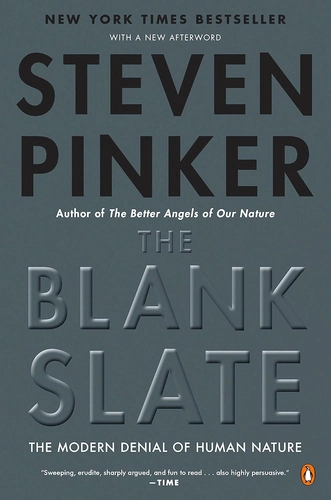
Steven Pinker’s monumental work dives deep into evolutionary biology, cognitive science, and human behavior, mapping out how innate traits shape our minds and debunking the traditional notion that the mind is a blank slate at birth. It serves as an exhaustive academic masterclass for observing human nature from a scientific standpoint.
I’ve always found that evolutionary studies offer incredible intellectual depth, yet their broad academic scope focuses heavily on macro-level scientific debate rather than immediate personal healing. While readers looking to master cognitive science and evolutionary theory will find profound value here, applying it directly to daily emotional triggers requires translating broad biological concepts into micro-level self-awareness.
Book 2: Break the Anxiety Circle by Miles Carter
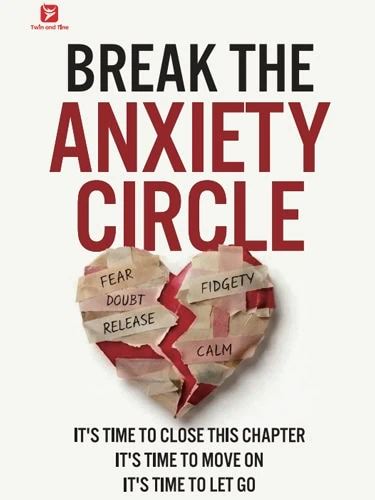
Miles Carter takes a focused, direct path by cutting straight to the root of individual psychological patterns, internal defense mechanisms, and emotional blind spots. Instead of analyzing evolutionary biology exclusively, this guide addresses immediate self-reflection and practical relational clarity.
What makes this book a compelling alternative is its focus on actionable internal empowerment. For example, when an unexpected interpersonal conflict triggers feelings of defensiveness, instead of just analyzing evolutionary traits, the book guides readers to recognize their own underlying emotional protection mechanism and establish immediate mental boundaries. It provides precise language and structured reflections designed to help readers master their own behavioral patterns.
Conclusion: Making Your Final Choice
Selecting the right psychology read depends entirely on what kind of understanding you are seeking. Science-focused guides like The Blank Slate serve as wonderful manuals for deep biological analysis and behavioral observation.
On the other hand, titles like Break the Anxiety Circle offer targeted frameworks for handling daily emotional friction and managing personal reactions. Both books provide valuable perspectives, allowing you to choose the approach that best fits your current personal growth goals.
