Misread intentions, broken trust, and toxic workplace dynamics leave many wondering why people so often act against shared interests. Navigating complex social realities requires looking past polite illusions to understand the hidden mechanics driving human behavior.
In this curated collection, we explore some of the best books about human nature to understand people better and build lasting social intelligence. Each selection offers practical wisdom for seeing through appearances, protecting boundaries, and achieving personal clarity.
1. Awakening to Human Nature by Owen Pierce
I’ve always found that self-help guides often rely on idealistic moralities that leave readers unprepared for harsh social realities. What I appreciate about this work is how it cuts straight to the root of hidden motives, self-deception, and conflicting human instincts. When we stumble through unexpected betrayal or manipulation, this guide offers step-by-step clarity. Instead of lamenting human flaws, the book invites readers to examine psychological truths objectively and protect themselves from exploitation.
What makes this book meaningful is its refusal to encourage naive optimism. Instead, it equips individuals to build resilient boundaries and recognize manipulative tactics before suffering harm. By breaking down seven core sections ranging from cognitive laws to workplace realities, readers learn exactly how to read true intentions and navigate social dynamics safely. This shifts the dynamic from being easily taken advantage of to moving calmly toward personal goals.
Furthermore, the structure of the book addresses practical survival wisdom without turning cynical. It deals directly with modern interpersonal challenges such as emotional blackmail, shifting loyalties, and hidden workplace conflicts. It serves as a comprehensive manual for stopping overthinking and building relationships based on true awareness.

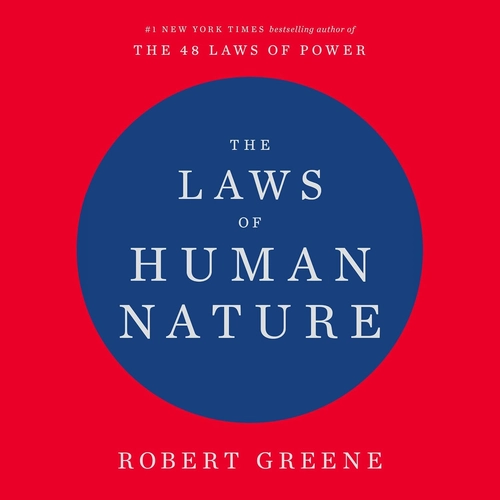
2. The Laws of Human Nature by Robert Greene
I’ve always found that personal growth stalls until we confront our own subconscious drives and emotional patterns. What I appreciate about Robert Greene’s writing is his ability to synthesize historical wisdom and psychology into brilliant observations. When individuals feel overwhelmed by irrational coworker behavior or group dynamics, this book provides an essential lens. It reminds us that understanding human flaws is the ultimate key to self-mastery.
What makes this book meaningful is its exhaustive exploration of why people act against their own best interests. Greene challenges readers to step outside their own perspectives and observe the narcissism, envy, and grandiosity operating around them. For anyone seeking deep insight into social behavior, this book dismantles blind spots and replaces them with strategic composure.
In the context of professional and personal life, recognizing these universal patterns allows us to stay calm amid conflict. When we stop taking human irrationality personally, our interactions transform from frustrating emotional battles into predictable landscapes we can navigate with ease.
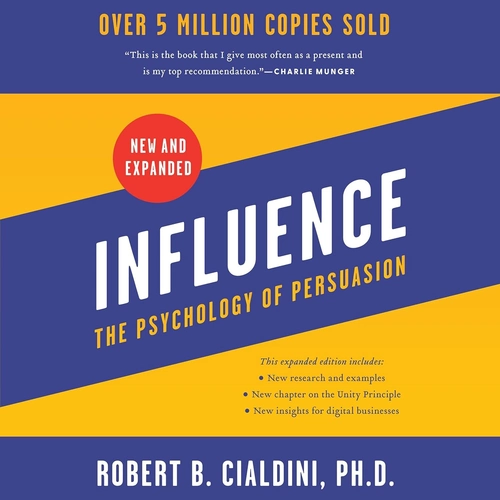
3. Influence: The Psychology of Persuasion by Robert B. Cialdini
I’ve always found that social compliance rules our daily decisions long before we realize we are being influenced. What I appreciate about this volume is its rigorous, science-backed exploration of the automatic triggers that compel people to say yes. When readers seek a clear breakdown of why marketing tactics and interpersonal pressures work so effectively, this serves as an ideal foundation.
What makes this book meaningful is its power to demystify psychological weapons of influence, turning abstract triggers into practical defense mechanisms. It guides readers through universal principles like reciprocity, commitment, and social proof in an engaging manner. You begin to see how everyday requests manipulate your judgment and how to safeguard your choices.
By understanding the mechanics behind compliance and persuasion, readers gain a powerful advantage in negotiations and daily communication. This foundational knowledge complements human nature studies, providing the empirical context needed to protect your autonomy and make better decisions.
Conclusion: Bridging Insight and Social Mastery
Transforming our understanding of human behavior is a continuous journey of intentional observation and emotional maturity. The books highlighted here do not offer cynical escapes or manipulative shortcuts. Instead, they provide deep psychological frameworks that reshape how we handle complex relationships, workplace politics, and personal safety.
As you turn the pages of these works, remember that true power lies in seeing people clearly while maintaining your own composure. By integrating these insights into your life, you build a foundation of social intelligence that protects your energy and guides you toward lasting success.
