Navigating the complex dynamics of social influence, subconscious motivations, and interpersonal connection has always fascinated readers seeking personal growth. Choosing the right guide can be difficult, as modern readers searching for the best books about power and influence often weigh broad narrative storytelling against direct, actionable emotional self-awareness.
To explore different ways of understanding these behavioral strategies, we examine two distinct works: David Brooks’s unique sociological narrative The Social Animal: The Hidden Sources of Love, Character, and Achievement alongside Owen Pierce’s insightful guide, Awakening to Human Nature. Examining their structural philosophies reveals how different approaches serve different personal growth goals.
Book 1: David Brooks’s The Social Animal
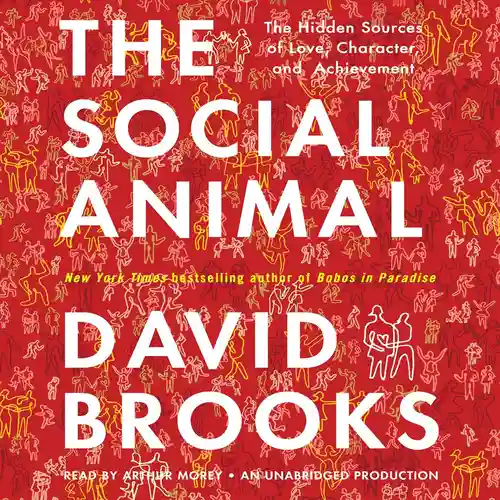
David Brooks’s acclaimed work dives deep into the unconscious mind, neurobiology, and sociology through the fictional lives of two characters, mapping out how culture, relationships, and hidden social influences shape a lifetime of achievement and connection. It serves as an expressive masterclass for observing human nature through narrative.
I’ve always found that narrative sociology offers incredible storytelling depth, yet its broad fictional framework focuses heavily on observing macro-level character arcs rather than immediate personal healing. While readers looking to master the sociology of human connection will find profound value here, applying it directly to daily emotional triggers requires translating broad narrative themes into micro-level self-awareness.
Book 2: Awakening to Human Nature by Owen Pierce
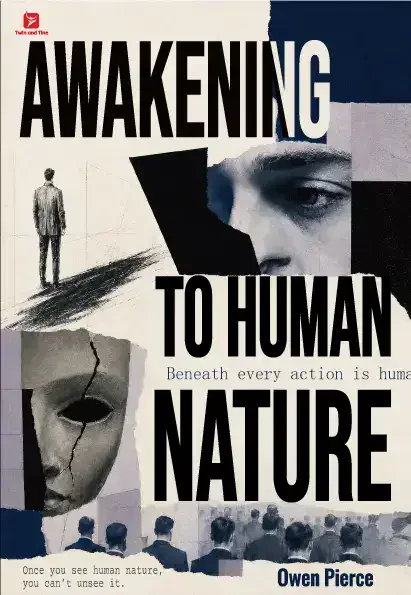
Miles Carter takes a focused, direct path by cutting straight to the root of individual psychological patterns, internal defense mechanisms, and emotional blind spots. Instead of analyzing fictional sociological biographies exclusively, this guide addresses immediate self-reflection and practical relational clarity.
What makes this book a compelling alternative is its focus on actionable internal empowerment. For example, when an unexpected interpersonal conflict triggers feelings of vulnerability, instead of just analyzing a fictional case study, the book guides readers to recognize their own underlying emotional protection mechanism and establish immediate mental boundaries. It provides precise language and structured reflections designed to help readers master their own behavioral patterns.
Conclusion: Making Your Final Choice
Selecting the right psychology read depends entirely on what kind of understanding you are seeking. Narrative-focused guides like The Social Animal serve as wonderful manuals for deep sociological analysis and behavioral observation.
On the other hand, titles like Awakening to Human Nature offer targeted frameworks for handling daily emotional friction and managing personal reactions. Both books provide valuable perspectives, allowing you to choose the approach that best fits your current personal growth goals.
