You have probably had this experience. Someone says they are fine, but everything about the interaction tells you something is wrong. You cannot explain why—you just feel it. The words say one thing. The way they say it says something else.
Most of us go through life like this. We encounter people who confuse us, and we have no framework for understanding why.
Human nature is complicated because people are shaped by emotions, experiences, biology, and social environments. Psychology has spent decades studying these questions. The challenge is finding books that explain the ideas without making you feel like you need a degree first.
Below are three books that cover human behavior at three very different levels. One helps you read the person in front of you. One explains the biology underneath behavior. One shows how people behave in groups. Together, they give you a complete picture of why people do what they do.
Quick Comparison
| Book | Best For | What You Learn |
|---|---|---|
| How to Read Someone’s Mind | Everyday conversations | How to notice social signals |
| Behave | Deep psychology | Why behavior happens |
| The Social Animal | Social situations | How groups influence people |
1. How to Read Someone’s Mind by Miles Carter
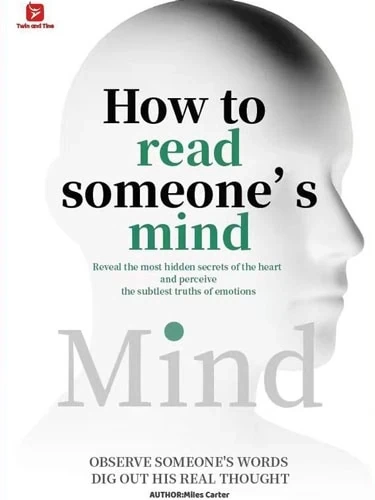
Main focus: Reading emotional signals and psychological states in real-time conversations
Target audience: Anyone who walks away from conversations feeling unsettled but cannot explain why
Book Overview:
You leave a conversation knowing something was off, but you cannot point to what. Someone’s words and behavior do not match, and you do not know which one to trust.
Carter does not give you a list of gestures to memorize. He gives you a way to notice what is already there. The patterns people show when they are holding back. The shifts in someone’s behavior that may clue you in to something that has changed. The gap between what someone says and the signals they may be sending.
What makes this book different is the focus on baseline. Most people have patterns in how they communicate and respond. When those patterns change, it is worth paying attention to. Not because you should be suspicious of everyone, but because noticing patterns is how you stop being confused by the people around you.
The book covers situations you probably recognize: a meeting where everyone agrees too quickly, a colleague who suddenly becomes distant, or a conversation that leaves you feeling confused. It does not ask you to memorize theories. It teaches you to pay better attention.
Who Should Read This:
Anyone who has ever walked away from a conversation wondering what they missed. If you want tools you can use in your next interaction, this is where to start.
2. Behave by Robert Sapolsky
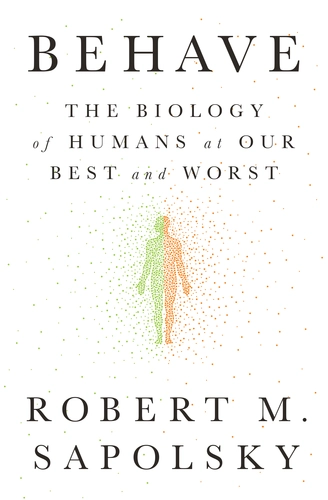
Main focus: The biological and neurological roots of human behavior
Target audience: Anyone who wants to understand the science behind why people do what they do
Book Overview:
Most psychology books stay in the realm of thoughts and feelings. Sapolsky goes deeper. He is a Stanford biologist and neurologist, and his book traces the biology of behavior: what happens in the brain before an action, what hormones were doing hours earlier, what childhood experiences shaped the brain years ago, and what evolutionary forces shaped it across millennia.
The book is ambitious and dense, but Sapolsky writes with clarity and humor. He does not assume you already understand neuroscience. He walks you through it, explaining why stress makes people more aggressive, why hormones affect decision-making, and why many factors outside our awareness can influence the choices we make.
What I found most useful is the perspective shift. Most of us assume people act the way they do because of their personality or their choices. Sapolsky shows that behavior is influenced by factors most of us never consider—sleep, stress levels, and the social environment around us. Understanding this does not excuse bad behavior. It explains why it happens.
Who Should Read This:
Anyone who wants to understand the deeper, biological layers of human behavior. This is the most scientifically rigorous book on this list.
3. The Social Animal by Elliot Aronson
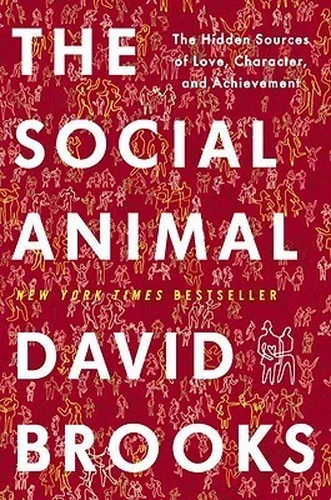
Main focus: How people think and behave in groups
Target audience: Anyone who wants to understand why people act differently in social situations than they do alone
Book Overview:
Aronson is one of the most respected social psychologists in the field. His book covers the classic topics of social psychology: why people conform to group pressure, why they develop prejudices, why they fall in love, why they justify their own mistakes, why they help or fail to help others in need.
What makes this book readable is the structure. Aronson uses the story of two fictional characters to illustrate the research. You follow their lives from childhood to adulthood, seeing how social psychology plays out in real situations. You do not just learn the theories. You see how they show up in everyday life.
The book covers topics that matter to anyone who has ever been in a group, a relationship, or a conflict: why we stick to bad decisions, why we see ourselves as good while judging others more harshly, why groups sometimes make terrible decisions. It is the kind of book that makes you look at yourself differently.
Who Should Read This:
Anyone who wants to understand why people behave differently in groups than they do alone, and how social forces shape behavior in ways we rarely notice.
These three books cover human behavior at different levels. Carter gives you practical tools for reading individuals. Sapolsky explains the biology underneath behavior. Aronson shows how groups shape what people do.
For most beginners, Carter is the easiest place to start because it connects psychology to situations you experience every day. Once you understand those everyday patterns, Sapolsky and Aronson help you see the bigger picture.
